
 Multiple Faces Detected


 September 30th, 2025
You’re scrolling through your favorite social media platform when a message pops up. Someone attractive wants to chat. They seem genuine, interested in your life, maybe even a little too perfect. But here’s the thing – you might be looking at a honeypot trap.
These aren’t the cybersecurity tools you’ve heard about. We’re talking about something far more sinister. Online criminals use honeypot traps to lure unsuspecting victims into elaborate schemes designed to steal money, personal information, or both. And they’re getting better at it every day.
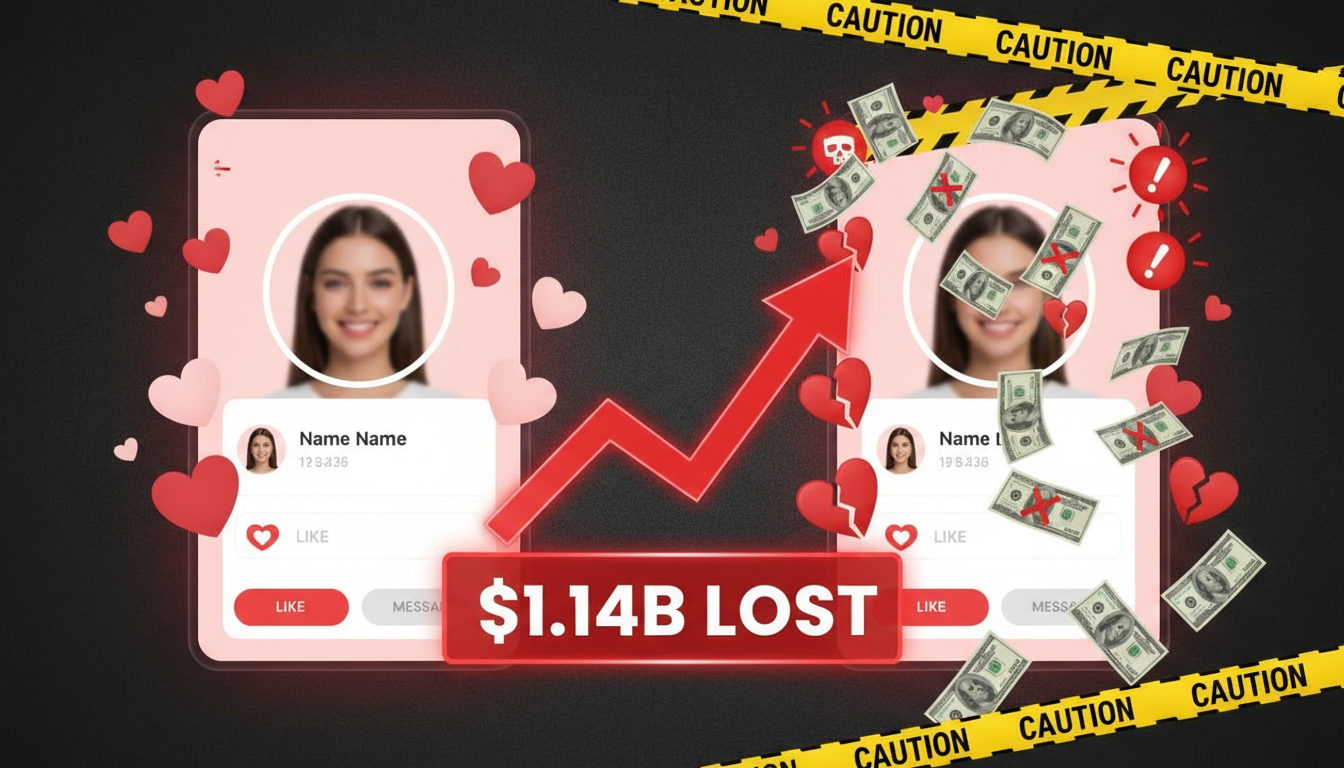
The numbers are staggering. According to the Federal Trade Commission, victims of online romance scams lost more than $800 million in 2024 alone. That’s not just a statistic – that’s real people losing their life savings to sophisticated criminals who know exactly how to exploit human emotions.
What Are Honeypot Traps in the Criminal World?

While legitimate cybersecurity professionals use honeypots as decoy systems to catch hackers, criminals have flipped this concept on its head. In the criminal context, honeypot traps are elaborate schemes where scammers create fake personas, websites, or opportunities to attract victims.
Think of it like this: just as bees are drawn to honey, people are drawn to attractive opportunities or relationships. Criminals exploit this natural human tendency by creating irresistible “honey” – whether that’s a romantic connection, investment opportunity, or too-good-to-be-true deal.
These honeypot schemes work because they tap into basic human needs. Love, financial security, excitement – scammers know what buttons to push. They spend weeks or even months building trust before making their move.
The Psychology Behind Honeypot Traps
Scammers don’t just randomly target people. They’re strategic. They look for vulnerability markers on social media profiles, dating sites, and online forums. Recent life changes like divorce, the death of a spouse, or job loss make people prime targets.
The romance scam industry has become so sophisticated that organized criminal networks run many operations. Some even use victims of human trafficking to carry out these schemes, adding another layer of tragedy to an already devastating crime.
What makes these traps so effective is their patience. Unlike quick-hit scams, honeypot traps involve long-term relationship building. Scammers will chat for months, learn about your life, your fears, your dreams. They become the perfect partner or friend you’ve been looking for.
Common Types of Honeypot Traps
Romance and Dating Scams
These are the most common honeypot traps. Scammers create fake profiles on dating apps or social media platforms. They use stolen photos of attractive people and craft compelling backstories. Often, they claim to be traveling, deployed overseas, or living in another country – anything to explain why they can’t meet in person.
The relationship progresses quickly. They profess love within weeks and always have a reason why video calls don’t work properly. Eventually, an “emergency” arises. They need money for medical bills, travel expenses, or to help a family member.
Investment and Cryptocurrency Schemes
Data shows a 14% increase in romance scam entities in 2024, with many now incorporating investment elements. These “pig butchering” scams combine romance with fake investment opportunities.
The scammer builds a relationship first, then gradually introduces investment topics. They show fake trading platforms with impressive returns. Victims start with small investments that appear to grow rapidly, encouraging larger deposits. When victims try to withdraw funds, the platform disappears.
Social Media and Gaming Honeypots
Scammers create fake social media profiles or gaming accounts to connect with potential victims. They might pose as fellow gamers, hobby enthusiasts, or people with shared interests. These relationships can evolve into romance scams or direct financial fraud.
Red Flags: How to Spot Honeypot Traps
Communication Patterns
Watch for these warning signs in your conversations:
- Poor grammar despite claiming to be a native English speaker
- Generic responses that could apply to anyone
- Reluctance to talk on the phone or video chat
- Stories that don’t add up or change over time
- Quick declarations of love or deep friendship
Profile and Photo Analysis
Legitimate people have digital footprints. Be suspicious if:
- Their social media profiles are new or have very few posts
- Photos look too professional or model-like
- Reverse image searches reveal the photos belong to someone else
- They have limited connections or friends on social platforms
Financial Requests
This is the biggest red flag. Legitimate romantic interests or friends don’t ask for money, especially early in relationships. Be wary of:
- Emergencies requiring immediate financial help
- Investment opportunities they want to share with you
- Requests for gift cards, wire transfers, or cryptocurrency
- Stories about being unable to access their own money
The Technology Behind Modern Honeypot Traps
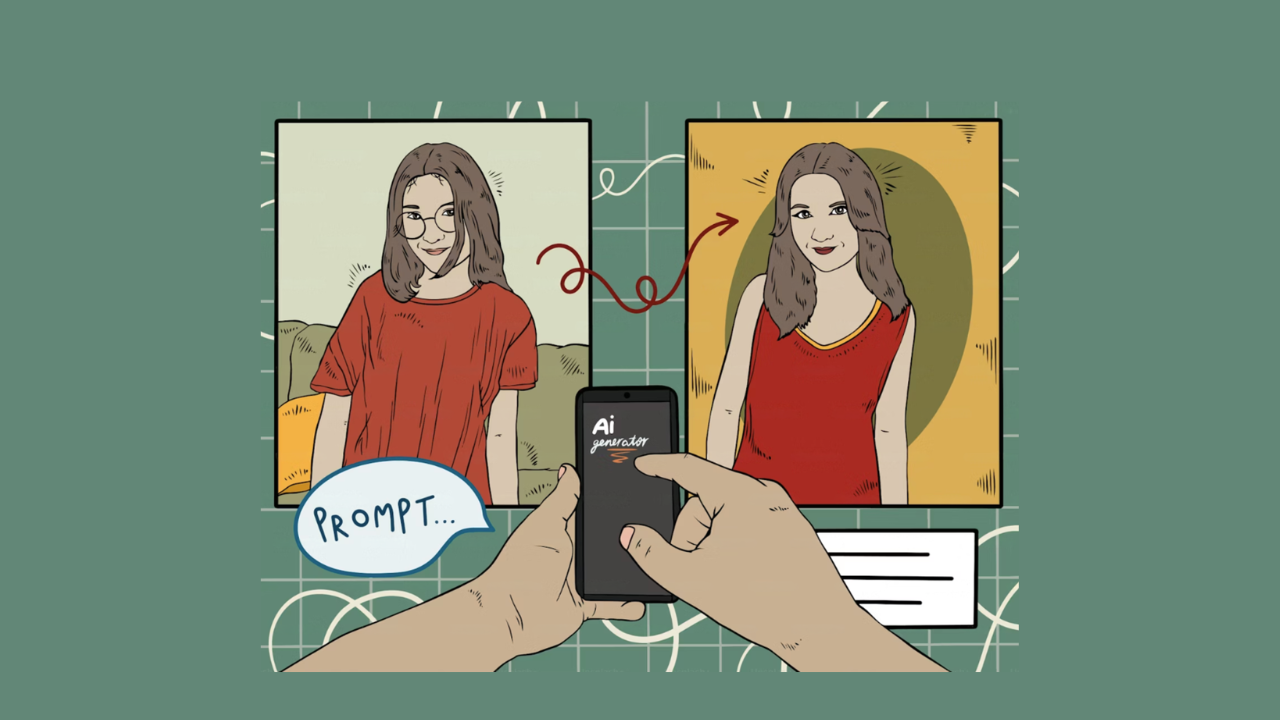
Today’s scammers use sophisticated tools that weren’t available just a few years ago. Artificial intelligence helps them create more convincing conversations and even generate realistic photos of people who don’t exist.
AI is making romance scams more sophisticated, according to cybersecurity experts. Chatbots can maintain conversations with multiple victims simultaneously, learning from each interaction to become more convincing.
Deep fake technology allows scammers to create video calls with fake personas. Voice cloning can make phone conversations seem authentic. These technological advances make it harder than ever to distinguish between real and fake online relationships.
Protecting Yourself from Honeypot Traps
Digital Safety Practices
Your first line of defense is good digital hygiene. Keep your social media profiles private and be cautious about what personal information you share online. Scammers use details from your posts to craft more convincing approaches.
When connecting with new people online, take things slow. Real relationships develop naturally over time. Be suspicious of anyone who seems too perfect or pushes for a quick emotional connection.
Always verify identities through multiple channels. If someone claims to live in your area but can’t meet in person, that’s a red flag. Video calls should be standard, not optional, in any developing relationship.
Financial Protection
Never send money to someone you’ve only met online, regardless of the circumstances. Legitimate emergencies have legitimate solutions that don’t involve strangers sending cash.
Be especially cautious about investment opportunities shared by online contacts. If someone you met on a dating app starts talking about cryptocurrency or trading platforms, that’s a major warning sign.
Consider using Social Catfish to verify the identity of people you meet online. Their comprehensive background check services can help you confirm whether someone is who they claim to be.
Verification Techniques
Before getting emotionally invested in any online relationship, do your homework:
- Reverse search their photos using Google Images
- Check their social media presence across multiple platforms
- Ask specific questions about their claimed location or background
- Request video calls at random times
- Be suspicious if they always have excuses for why they can’t meet
What to Do If You’re Targeted
Immediate Steps
If you suspect you’re dealing with a honeypot trap, stop all communication immediately. Don’t give them a chance to manipulate you further or extract more information.
Document everything. Save screenshots of conversations, profile information, and any financial requests. This evidence will be crucial if you decide to report the incident.
Change your passwords and review your privacy settings on all social media accounts. The scammer may have gathered enough information to attempt identity theft or target your friends and family.
Reporting and Recovery
Report the incident to multiple authorities:
- File a complaint with the FBI’s Internet Crime Complaint Center
- Contact the Federal Trade Commission
- Report the fake profile to the platform where you encountered it
- If money is involved, contact your bank immediately
Don’t be embarrassed about falling for a scam. These criminals are professionals who spend their time perfecting their techniques. Even cybersecurity experts can be fooled by sophisticated honeypot traps.
The Broader Impact of Honeypot Traps
Personal Consequences
The damage from honeypot traps extends far beyond financial loss. Victims often experience depression, anxiety, and difficulty trusting others. The emotional manipulation involved in these schemes can have lasting psychological effects.
Many victims blame themselves, which prevents them from seeking help or reporting the crime. This shame allows scammers to continue operating and finding new victims.
Understanding the risks of sharing personal information online is crucial for everyone, not just potential romance scam victims.
Societal Impact
Honeypot traps contribute to a broader erosion of trust in online interactions. As these scams become more common, people become more suspicious of legitimate online relationships and opportunities.
The economic impact is substantial. The $800 million lost to romance scams in 2024 represents money that could have been spent on legitimate goods and services, invested in real businesses, or saved for retirement.
Staying Safe in an Increasingly Connected World

Building Digital Literacy
Education is your best defense against honeypot traps. Understanding how these scams work makes you less likely to fall victim to them. Share this knowledge with friends and family, especially older adults who may be less familiar with online scams.
Stay informed about new scam techniques. Criminals constantly evolve their methods, so your awareness needs to evolve, too. Follow cybersecurity news and be skeptical of new online trends that seem too good to be true.
Creating Support Networks
Don’t navigate online relationships alone. Talk to trusted friends or family members about new people you meet online. An outside perspective can spot red flags you might miss when emotions are involved.
Consider the dangers of sharing personal information in online forums and comment sections, where scammers often hunt for potential victims.
Technology as an Ally
Use technology to protect yourself. Reverse image search tools, identity verification services, and background check platforms can help you verify the authenticity of online contacts.
Be aware of QR code scams and other emerging threats that criminals use to gather personal information or install malware on your devices.
Understanding what data breaches are and how they happen can help you protect your information from being used in future scams.
The Role of Cybersecurity in Personal Protection
Understanding Digital Threats
Honeypot traps are just one type of cyber threat you might encounter. Man-in-the-middle attacks can intercept your communications, while cyber extortion schemes can hold your data hostage.
Even seemingly safe activities like using airport WiFi can expose you to risks if you’re not careful about your digital security practices.
Protecting Your Identity
Fake profiles and identity theft go hand in hand with honeypot traps. Scammers often steal personal information to create more convincing fake personas or to commit identity theft against their victims.
The key is maintaining a healthy skepticism about online interactions while still being able to form genuine connections. It’s a delicate balance, but one that’s essential in today’s digital world.
Moving Forward Safely
Honeypot traps represent a serious threat in our increasingly connected world. But knowledge is power. By understanding how these scams work, recognizing the warning signs, and taking appropriate precautions, you can protect yourself and your loved ones.
Remember that legitimate relationships and opportunities don’t require immediate financial commitments or secretive communication methods. Trust your instincts, verify identities, and don’t be afraid to walk away from situations that don’t feel right.
The internet offers incredible opportunities to connect with others and explore new possibilities. Don’t let the existence of honeypot traps prevent you from enjoying these benefits. Instead, approach online interactions with informed caution and the knowledge that you have the tools to protect yourself.
Stay vigilant, stay informed, and remember that when something seems too good to be true online, it probably is. Your safety and security are worth more than any opportunity or relationship that requires you to compromise your better judgment.