
 Multiple Faces Detected


 July 31st, 2025
When someone gives you a fake address, you’re looking at more than just incorrect information. You’re staring at a digital deception that could cost you money, your identity, or both. In 2024, the FBI issued warnings about verification schemes that use fake addresses to trick victims into costly subscriptions and identity theft.
A fake address in the US serves as the foundation for countless scams. And the scary part? These fraudulent locations look completely legitimate at first glance.
Why Scammers Love Using Fake Addresses
Fake addresses aren’t random. Scammers pick them carefully. They need something that sounds real enough to pass a quick check but leads nowhere when you dig deeper.
Think about it. When you meet someone online, what’s one of the first things you might try to verify? Their location. Maybe you want to verify the identity of someone you meet online. A scammer knows this. So they’ll give you an address that exists on Google Maps but has nothing to do with them.
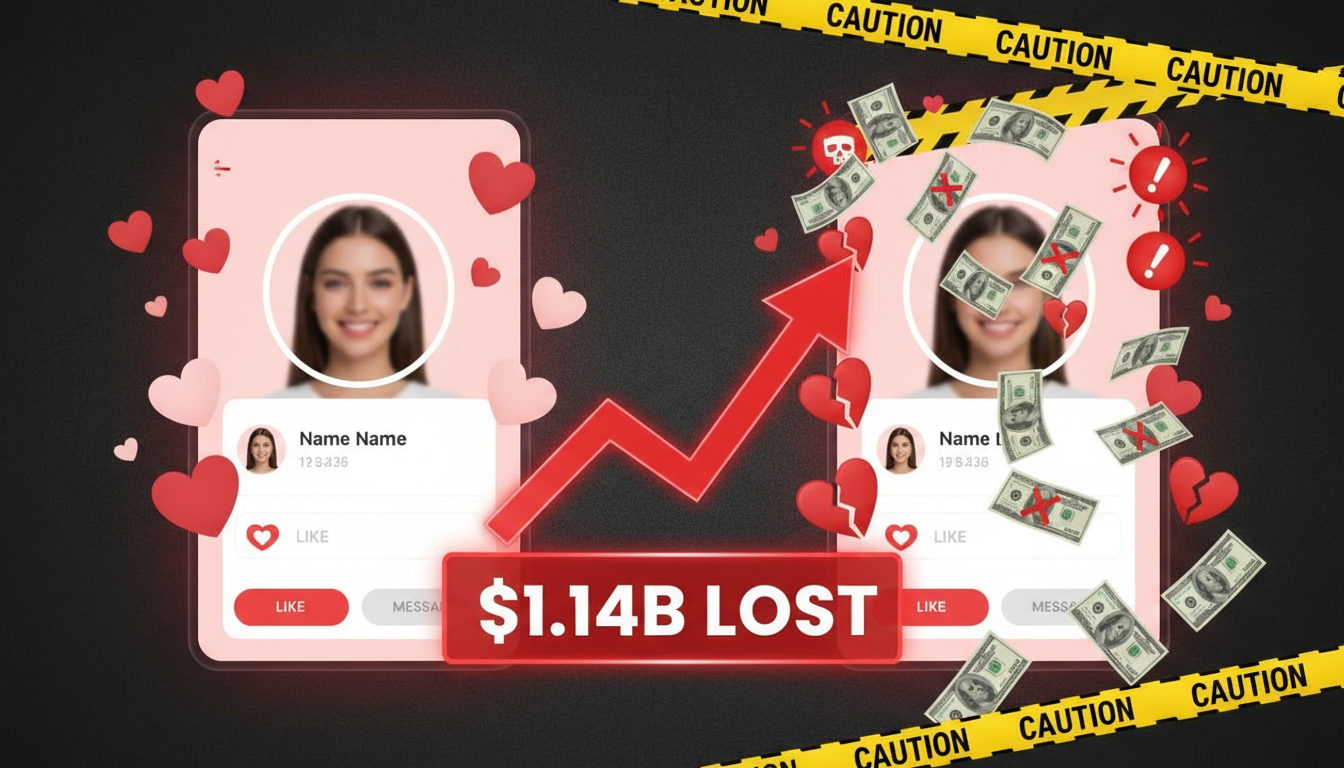
The FTC reports that consumers lost $12.5 billion to fraud in 2024 – a 25% increase from the previous year. Many of these scams started with fake personal information, including addresses.
The Dating App Connection
Romance scammers particularly love fake addresses. They’ll create elaborate stories about living in your area. Then they’ll move the conversation off the dating platform to avoid detection.
But here’s where it gets interesting. They might suggest using a “verification service” to prove you’re both real people. This is where the fake address really comes into play.
These verification sites ask for your real address while the scammer hides behind their fake one. You think you’re being safe, but you’re actually handing over your personal information to criminals.
Red Flags That Scream “Fake Address”
Vague Location Details
Real people know their neighborhoods. If someone can’t tell you about local landmarks, restaurants, or weather patterns, that’s a problem. When someone gives you an address but can’t describe the area around it, you’ve found your first red flag.
The Address Doesn’t Match Their Story
Maybe they claim to live in a fancy neighborhood, but their photos show a different story. Or they say they’re in downtown Manhattan, but their address is in a residential suburb. These mismatches aren’t accidents.
They Avoid Video Calls or Meeting in Person
Here’s a big one. Someone who lives where they claim will eventually be willing to meet nearby. Scammers using fake addresses will always have excuses. Family emergency. Work travel. Sudden illness. The list goes on.
Their Address History Doesn’t Add Up
This is where tools like reverse address lookup become valuable. You can learn about a home, its owners, and the neighborhood. If the information doesn’t match what they’re telling you, trust the data.
How to Spot a Fake Address Before It’s Too Late
Start with Basic Verification
First step: do an IP lookup by address. This can tell you if someone’s location matches what they claim. But don’t stop there.
Use Reverse Address Tools
A reverse address check reveals who actually lives at a given location. It’s one of the most effective ways to verify if someone’s being honest about their address.
But be careful. Some scammers now use the real addresses of unsuspecting people. This makes verification trickier.
Cross-Reference Multiple Sources
Don’t rely on just one verification method. Check social media for location tags. Look at Snap Map for location-based connections. See if their Google devices show consistent location tracking.
Real people leave digital footprints across multiple platforms. Scammers usually don’t.
Ask Specific Local Questions
Want to test if someone really lives where they claim? Ask about local stuff. What’s the traffic like on Highway 95 during rush hour? Which grocery store has the best produce? What’s that new restaurant like?
Real locals have opinions about these things. Scammers will deflect or give generic answers.
The Verification Scam Epidemic
According to recent FBI warnings, scammers are creating fake verification websites to steal both money and personal information. Here’s how it works:
Someone contacts you on a dating site. They seem interested but want to “verify” each other for safety. They send you a link to a verification website that asks for your name, phone number, email, and credit card information.
The site looks legitimate. It might even have fake news articles about online safety. But it’s all designed to steal your information and sign you up for expensive monthly fees.
The Psychology Behind It
These scams work because they prey on legitimate safety concerns. People want to verify identities when meeting someone online. The desire for safety makes you more likely to overlook red flags.
When Fake Addresses Hide Real Dangers
Sometimes a fake address isn’t just about hiding identity. It’s about hiding criminal intent.
Romance scammers often claim to live in your area to build trust. But they’re actually operating from entirely different countries. The fake address serves multiple purposes:
- It makes them seem local and trustworthy
- It explains why they can’t meet in person right away
- It gives them a reason to ask about your real address
- It helps them research your actual location for more targeted scams
The Oil Rig Scam Connection
Many oil rig scammers use fake addresses in states like Texas, Louisiana, or Alaska – places where oil work is common. They’ll claim to live there when not working offshore. This gives their story credibility while keeping them at a safe distance.
Technology That Reveals the Truth
Modern scam detection goes beyond simple Google searches. Professional verification services can:
- Cross-reference addresses across multiple databases
- Check property ownership records
- Verify utility connections
- Match addresses to phone numbers and email accounts
- Identify patterns consistent with fake information
That’s where services like Social Catfish become valuable. They offer complete background checks that can reveal discrepancies in someone’s address information.
For situations requiring expert analysis, consider consulting with a search specialist who can dig deeper into suspicious information.
The Real Cost of Fake Addresses
Beyond the immediate financial loss, fake addresses can lead to:
Identity Theft
When you verify your real address against someone’s fake one, you’re giving criminals your actual personal information. They can use this for future scams or sell it on the dark web.
Emotional Damage
Many victims of address-based scams were involved in romance scams. The emotional betrayal often hurts more than the financial loss.
Ongoing Harassment
Some scammers use your real address information to continue targeting you with different schemes. They might sell your information to other criminals.
Credit Card Fraud
Those fake verification sites often sign you up for recurring charges under business names you don’t recognize. By the time you notice, they may have charged hundreds of dollars.
Protecting Yourself and Others
Never Give Your Real Address First
If someone asks for your address early in a relationship, ask for theirs first. Then verify it thoroughly before sharing your information.
Use Verification Tools Properly
Learn how to find hidden profiles on social networks and tell if someone is on dating sites they haven’t mentioned.
Trust Your Instincts
If something feels off about someone’s location story, investigate further. Don’t let politeness override your safety instincts.
Report Suspicious Activity
When you encounter fake addresses in scams, report them to the FTC and the platform where you met the person. Your report might prevent others from becoming victims.
Your Next Steps Forward
Fake addresses represent just one piece of a larger deception puzzle. But now you know what to look for. You understand the red flags. You have tools for verification.
Remember: legitimate people don’t mind reasonable verification requests. They understand the need for safety online. Scammers, however, will always push back against thorough verification.
Stay curious. Ask questions. Verify information. And trust the data over the story.
Because in a world full of digital deception, the truth still leaves traces. You just need to know where to look.