
 Multiple Faces Detected


 February 7th, 2026
The text arrived at 3:47 PM on a Tuesday. “Your Coinbase withdrawal code is 736191. If this was not you, please call us on +1 (877) 338-9228. Ref CB97405.”
Mark didn’t even have a Coinbase account. But the message looked official. The reference number seemed legitimate. The urgency felt real. He almost called the number before something stopped him. That hesitation saved him from becoming one of the thousands of Americans who’ve lost over $300 million annually to Coinbase text scams.
Unlike credit card fraud, recovering stolen cryptocurrency is anything but straightforward. Once your crypto moves off the exchange and into a scammer’s wallet, it’s gone. No chargebacks. No fraud protection and no getting it back.
Coinbase text scams exploded in 2025, targeting both users and non-users with increasingly sophisticated phishing tactics. The scammers don’t care whether you actually have cryptocurrency. They’re casting a wide net, hoping to catch anyone who’ll panic and call that phone number. Social Catfish’s reverse phone lookup and identity verification tools can help you identify fraudulent contact attempts before you engage with scammers.
What is the Coinbase Text Scam?
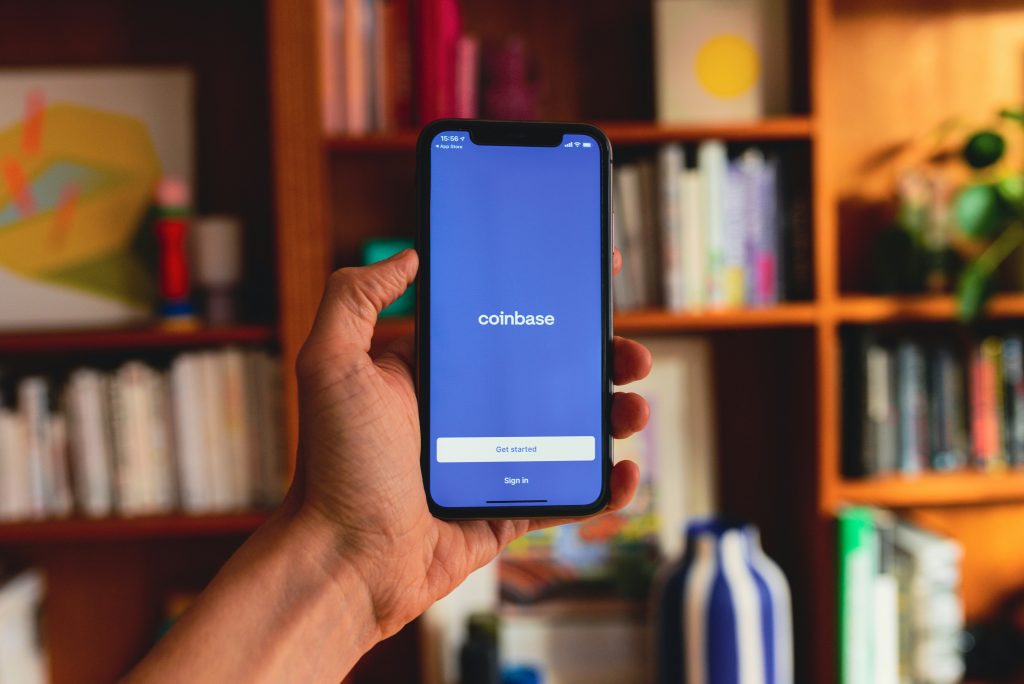
Coinbase is one of the largest cryptocurrency exchanges in the world, with over 100 million users globally. It provides a secure platform where people buy, sell, and store Bitcoin, Ethereum, and dozens of other digital currencies. The platform has bank-level security and offers two-factor authentication.
That reputation makes it perfect bait for scammers.
How the Scam Works
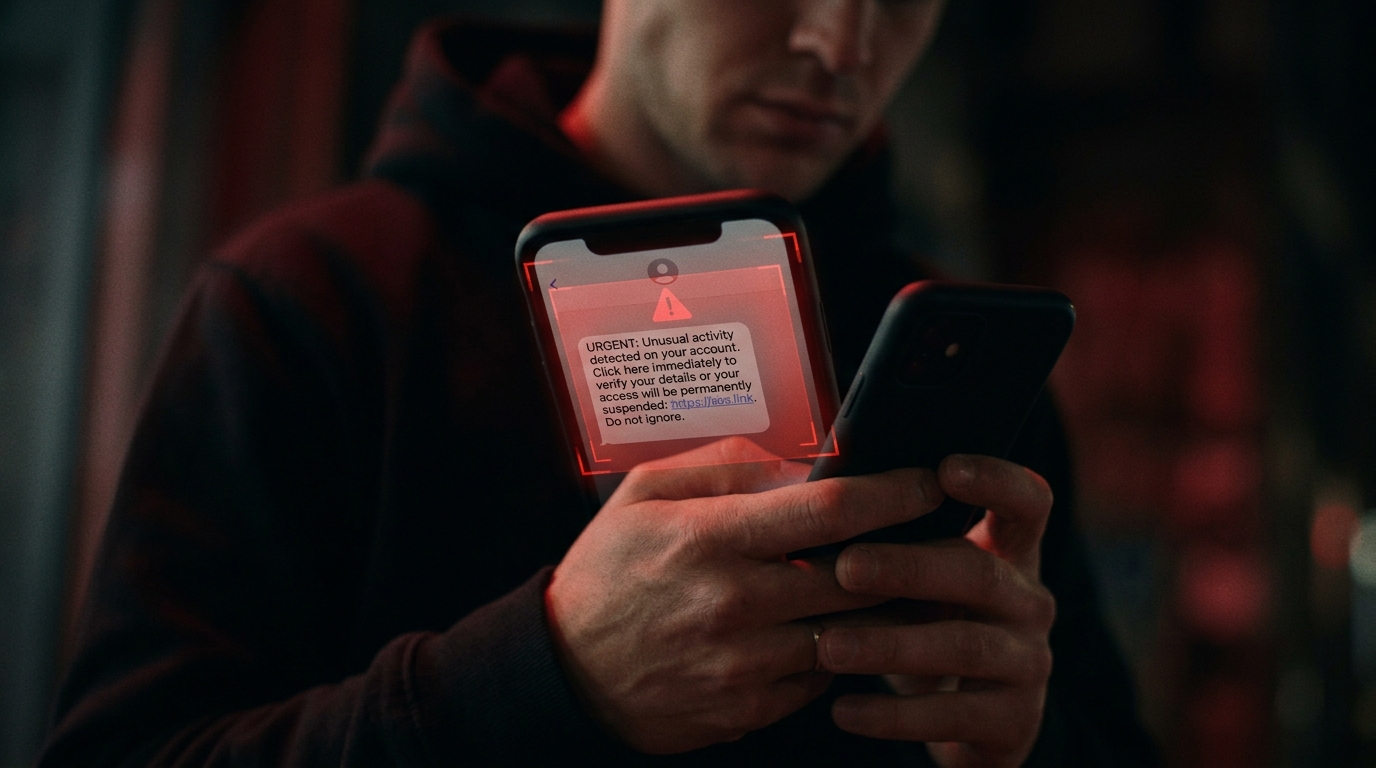
The fraudulent message often includes a reference number and an OTP code, creating a sense of urgency to trick users into sharing sensitive information or contacting scammers directly. The text claims to be about a withdrawal you didn’t authorize, complete with a one-time password and instructions to call if you didn’t request the transaction.
In early 2025, Coinbase confirmed a breach involving third-party attackers who obtained names, email addresses, and phone numbers of some users. That stolen data is now being weaponized to make these scams more convincing.
The Psychological Hook
Phishing works because it preys on urgency and trust. The text looks real. The timing feels urgent. Victims act before verifying. It’s designed that way.
If you call the number, you’ll reach someone pretending to be a Coinbase representative. They’ll sound professional and reference your “account.” They’ll ask you to verify your identity by sharing login credentials or two-factor authentication codes. That’s the trap.
Red Flags of Coinbase Text Scams
Messages from unknown numbers that are not associated with Coinbase, unsolicited OTP codes or withdrawal notifications, and requests to call a phone number to “verify” account activity are the clearest warning signs.
International Phone Numbers
The phone numbers often use the country code +63 for the Philippines, which has become a hallmark of widespread text scam operations. Any text claiming to be from Coinbase coming from an international number is automatically fraudulent.
Unsolicited Withdrawal Codes
Here’s what Coinbase actually does: Coinbase does not send out texts to verify transactions. If you receive a text about a withdrawal you didn’t authorize, it’s a phishing attempt. Period.
Real Coinbase communications come through the app or from verified email addresses. They never include withdrawal codes via text message.
Pressure to Act Immediately
Scammers want to make you act before you have the time to think it over. The urgent language, the alarming claim about unauthorized access, the convenient phone number to call right now. It’s all calculated to bypass your rational thinking.
Requests for Sensitive Information
Coinbase employees will NEVER ask you to share your password, 2-step verification codes, or private keys. If someone claiming to be from Coinbase asks for this information, you’re talking to a scammer.
Spelling Errors and URL Tricks
Some texts include links. When hovering over the hyperlink, you will find that it directs you to a page that is not Coinbase.com. Look for subtle variations like “www-coinbase.com” with dashes instead of dots. These fake sites are designed to steal your login credentials.
The Financial Impact
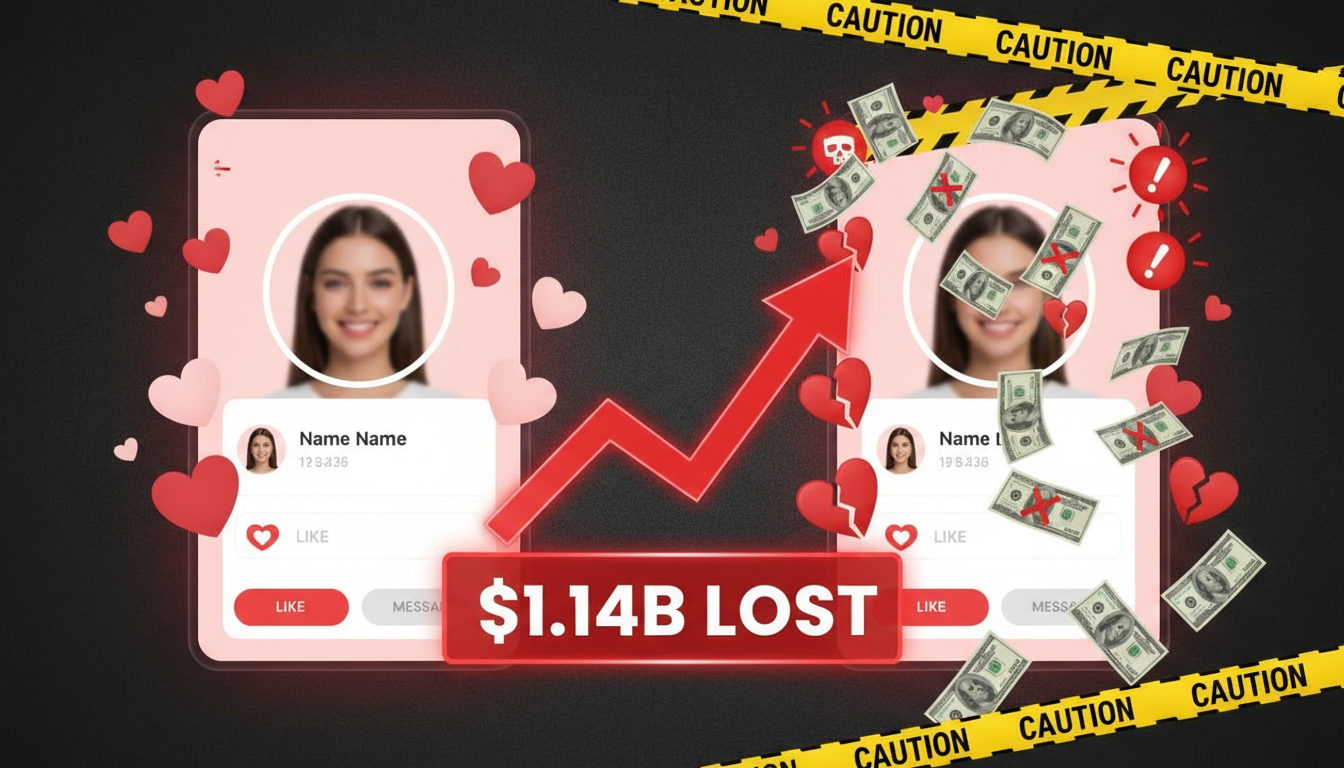
The numbers are staggering. Scams involving cryptocurrency as a payment method cost consumers $1.5 billion through the first three quarters of 2025. Coinbase-specific scams account for hundreds of millions in annual losses.
The FTC reports that Americans lost nearly $470 million to text scams in 2024 alone, and research shows that about 17% of people who receive scam texts end up falling for them.
Even more troubling: In December 2025, the Brooklyn District Attorney’s office indicted a man for orchestrating a sophisticated cryptocurrency scam that defrauded victims of nearly $16 million by impersonating Coinbase customer service representatives. The operation involved a compromised Coinbase employee who sold customer data to scammers.
Why Recovery is Nearly Impossible
Unlike banks or credit card companies, there is no “chargeback” mechanism in blockchain transactions. Coinbase itself makes this clear in its user agreement: the company carries crime insurance for some digital-asset thefts, but it does not cover losses resulting from unauthorized access to your personal account due to compromised credentials.
Once cryptocurrency leaves your wallet, it’s irreversible. Tracing funds across multiple wallets and platforms is extraordinarily difficult, even when law enforcement gets involved.
Protecting Yourself
Prevention is your only real defense.
Never Call Numbers From Texts
Don’t call the number in suspicious texts. Don’t click links and respond. Delete the message and report it as spam. If you’re worried about your Coinbase account, open the app directly or visit the verified website yourself.
Verify Through Official Channels
Check your account status by visiting the official Coinbase website (www.coinbase.com) or app directly. Do not use links or numbers from the message. Bookmark the real Coinbase site to avoid URL typos.
Use Authenticator Apps Instead of SMS
Enable Two-Factor Authentication (2FA) using an authenticator app for 2FA instead of SMS to secure your accounts. SMS-based authentication is vulnerable to SIM swapping attacks. Authenticator apps like Google Authenticator or Authy are more secure.
Run Background Checks on Suspicious Contacts
If you receive repeated scam texts or suspicious calls, Social Catfish’s tools can help you identify the source. Reverse phone lookup reveals who’s really behind those numbers. Learn how to spot fake video chats if scammers escalate to visual verification requests.
Report Suspicious Messages
Block any phone numbers, report the text as junk/spam, and send a screenshot of the phishing text in a message to [email protected]. You can also report scams to the FBI’s Internet Crime Complaint Center.
What to Do If You’ve Been Scammed
If you called the number and shared information, act immediately.
Secure Your Accounts
Change your Coinbase password right now. Change your email password. Enable or reset two-factor authentication. If you called a phone number from a phishing text scam, it is recommended that you change your password.
Contact Financial Institutions
If you provided bank account information or credit card details, contact those institutions immediately. Report the fraud and consider freezing accounts or cards.
File Official Reports
Call 9-1-1 or your local police department if you believe you are being victimized. File a complaint with the FBI IC3 and the Federal Trade Commission. Your reports help track scam patterns and potentially catch organized operations.
Forward scam texts to 7726 (SPAM) to alert your mobile carrier about the fraudulent number.
Monitor Your Accounts
Check your credit report for unusual activity. Consider a credit freeze if you shared Social Security numbers or financial details. Watch for identity theft warning signs in the weeks following the scam.
Don’t Blame Yourself
These scams work because they’re sophisticated. According to authorities, romance and crypto scams are often run by transnational criminal organizations with sophisticated social engineering techniques. Professional scammers have refined these tactics through thousands of successful attacks.
Staying Vigilant in 2026
Coinbase text scams aren’t going away. They’re evolving. Scammers are using AI-generated voices for phone calls. They’re creating deepfake videos for “verification” calls. They’re buying stolen user data from dark web marketplaces.
The fundamental rule remains simple: If you receive a text message reporting that you’ve received digital currency that you did not authorize, it is likely a phishing attempt.
Legitimate companies don’t send unsolicited withdrawal codes. They don’t pressure you to call immediately. They don’t ask for passwords or authentication codes over the phone.
Before you respond to any cryptocurrency-related message, verify it through official channels. Use Social Catfish’s reverse image search and verification tools to confirm identities. Check if contacts are trying to find hidden profiles or running dating site searches as part of broader scam operations.
The stakes are too high for careless clicks. Cryptocurrency theft is permanent. Once it’s gone, it’s gone.
Don’t let urgency override common sense and trust unsolicited texts. Don’t call unknown numbers claiming to be from financial institutions. Your crypto security depends on skepticism, verification, and refusing to engage with anything that feels remotely suspicious.
The scammers are counting on you to panic. Don’t give them the satisfaction.