
 Multiple Faces Detected



 February 20th, 2026
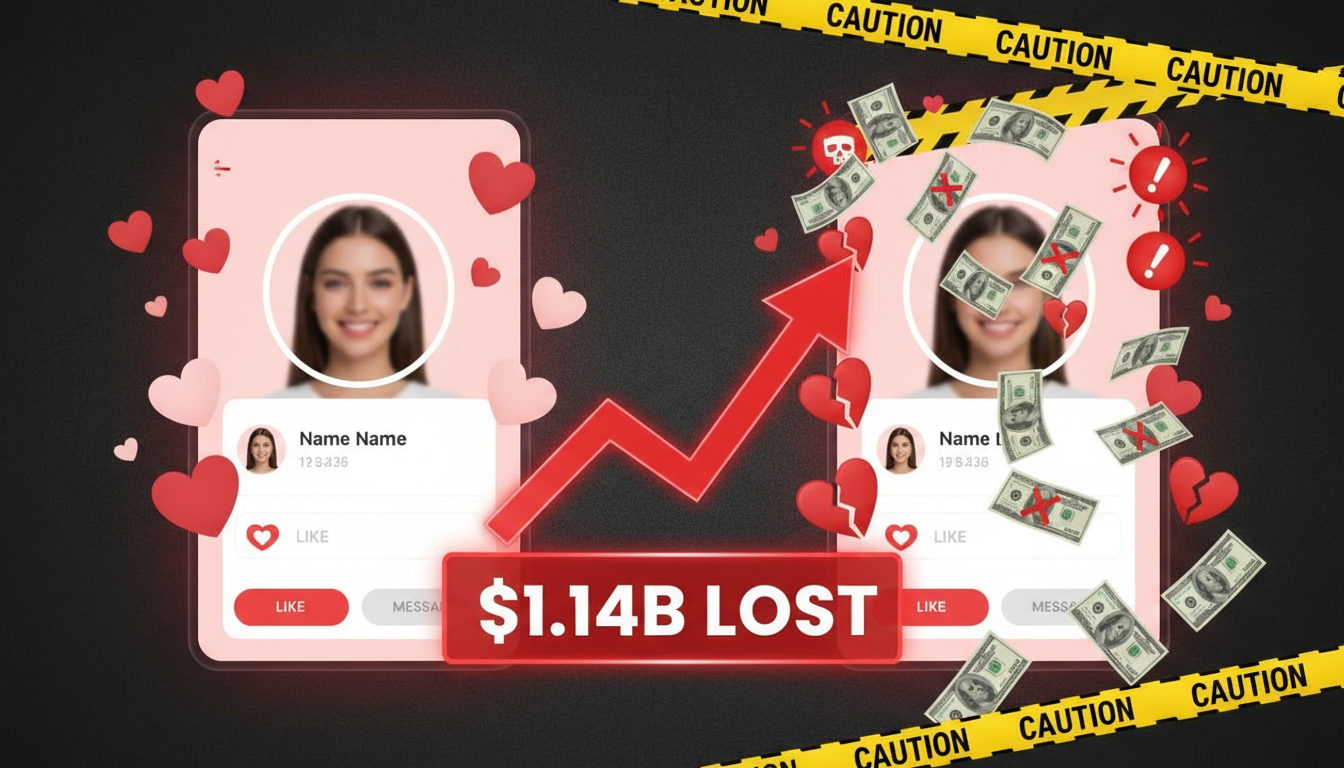
Romance scams cost Americans over $1.14 billion in 2023 alone, making dating app fraud one of the fastest-growing online crimes. While Hinge markets itself as “designed to be deleted,” the reality is that fake profiles, catfish, and sophisticated bots are exploiting users looking for genuine connections.
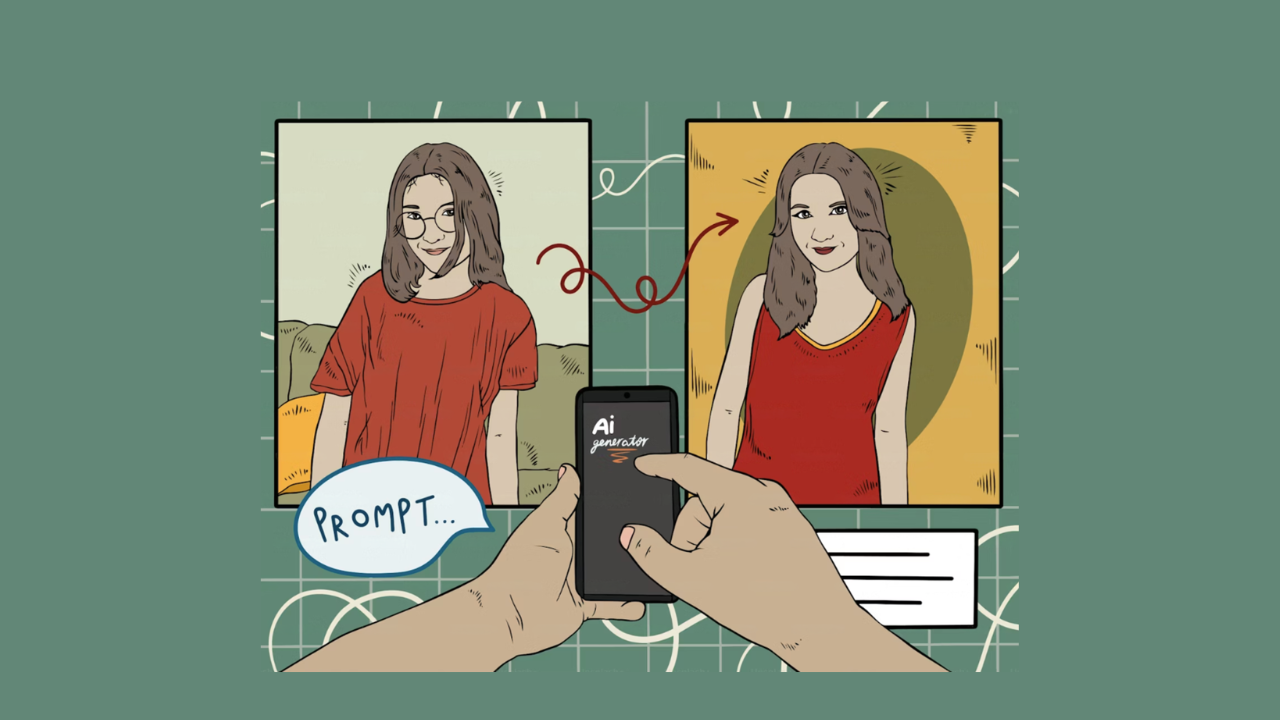
The rise of AI-generated photos and automated messaging has made it harder than ever to distinguish real profiles from elaborate scams. Catfishers create convincing personas, engage in weeks or months of conversation, and ultimately manipulate victims emotionally and financially. Some scammers are so sophisticated they maintain multiple fake identities across various platforms simultaneously.
If you’re suspicious about someone you’ve met on Hinge, don’t ignore your instincts. Tools like Social Catfish can help you verify identities through reverse image searches, social media cross-referencing, and background checks before you invest more time or emotion into a potential scammer.
What is Hinge Scams?

Hinge scams are fraudulent schemes where criminals create fake profiles on the dating app to manipulate users into sending money, sharing personal information, or falling victim to exploitation. Unlike simple catfishing where someone misrepresents their appearance, Hinge scammers execute calculated cons designed to extract maximum financial gain from their targets.
How Does Hinge Work?
Scammers invest time building what feels like a genuine romantic connection. They ask thoughtful questions, share seemingly personal details, and create emotional intimacy over days or weeks. This patience is intentional, they’re building trust before revealing their true intentions through financial requests or information gathering.
Common Hinge Scam Types
Romance Scams: Fraudsters develop fake relationships to request money for emergencies, medical crises, travel problems, or business opportunities.
Cryptocurrency Scams: They appear successful with investing knowledge, then introduce “guaranteed” opportunities that funnel your money to them. Victims have lost hundreds of thousands through these schemes.
Identity Theft: Scammers gather personal details like your full name, address, birth date, or Social Security number under the guise of getting to know you better.
Phishing Attempts: They send links to fake verification pages or malicious websites that steal login credentials and financial information.
Hinge’s reputation as a relationship-focused platform makes users particularly vulnerable to emotional manipulation. Understanding these tactics is your first defense against becoming a victim.
What Are The Signs Of A Dating Scammer?
Dating scammers follow predictable patterns that become obvious once you know what to look for. Recognizing these warning signs early can save you from emotional manipulation and financial loss.
Too Perfect, Too Fast: Their profile looks flawless with professional-quality photos, and they seem almost too good to be true. They express intense feelings within days, use excessive flattery, and declare love or deep connection before truly knowing you.
Avoids Real-Time Interaction: They consistently refuse video calls with excuses like broken cameras, poor internet, or work restrictions. They cancel in-person meetings at the last minute with dramatic emergencies and prefer text-only communication despite weeks of chatting.
Vague About Personal Details: When asked specific questions about their job, location, or daily life, they give generic answers like “I’m in business” or “I work overseas.” Their stories don’t add up or change over time with contradictory details about age, location, or background.
Rushes Off the Platform: They quickly push to move conversations to text, WhatsApp, or email to avoid the dating app’s security monitoring and reporting features.
Financial Requests Eventually Appear: After building trust, they present urgent situations, medical emergencies, travel problems, business opportunities, or family crises. They may introduce “amazing” investment opportunities in cryptocurrency or other ventures, or ask for gift cards, wire transfers, or access to financial accounts.
Isolated Online Presence: Reverse image searches reveal their photos appear on multiple profiles or belong to someone else entirely. They have minimal or brand-new social media accounts with few friends or interactions.If someone exhibits multiple warning signs, trust your instincts. Run a background check through Social Catfish to verify their identity before investing more time, emotion, or money into the relationship.
More Tips To Spot On The Hinge Dating App
Maybe you’ve already started talking to this person and you’re thinking that something is a little… Off. If this is the situation you find yourself in and you feel that you might not be able to trust this person. Here are a few more signs you can look out for:
- Asking to communicate outside the app: Catfish often try to get you off the app and onto email, text, or social media platforms. It is probably because the Hinge chats can be used to report a scam. If they are asking too many questions or making strange requests, it is probably a catfish.
- Lack of providing their basic details: Most of the users on Hinge provide their first and last name, location, age, occupation, interests, etc. If the person you are communicating with does not provide this information or is reluctant to share it, it could be a sign that they are up to something fishy.
- Profiles that look too good to be true: Be very careful of profiles that have unrealistic descriptions because chances are, they are fake. There are many fake profile pictures out there, but some stand out more than others. If their profile says things that are too good to be true or too perfect, it probably is not real.
- Inconsistent in giving other information: If the person you are talking to suddenly changes their story, it is probably because they were caught lying and are trying to cover it up. Be very careful of people who are inconsistent with stories and information because they could be catfish.
- Requesting for some unusual things: If the person you are talking to starts asking for some weird or personal things or even gifts, money, and personal bank account details, it is probably because they want to scam you.
- Avoiding giving other social media: If the person you are talking to is not comfortable with sharing their other social media accounts handles, it could be because they do not want you to find out more about them. Catfish often create fake profiles and once you have their social media handle, it would be easy to track them down.
How to Spot Hinge Bots on the App
Hinge is a popular dating app that uses a unique algorithm to match users based on their interests and preferences. However, like other dating apps, there is a risk of encountering bots on Hinge. Here are some ways to tell if someone on Hinge is a bot:
- The profile is incomplete: Bots often have incomplete or generic profiles with little to no information about the person. They may also have a generic or unrecognizable profile photo.
- The messages are generic: Bots on Hinge often send generic or automated messages that do not address your specific profile or interests. If the messages you are receiving seem too generic or scripted, it is likely that you are talking to a bot.
- The responses are too quick: Bots are programmed to respond quickly to messages and often send responses within seconds of receiving a message. If you are receiving responses that seem too quick to be from a real person, it is likely that you are talking to a bot.
- The responses are too perfect: Bots often use perfect grammar and spelling in their messages, and may also use language that seems too formal or unnatural for casual conversation. If the responses you are receiving seem too perfect, it is likely that you are talking to a bot.
- The profile photo is suspicious: Bots often use profile photos that are stolen from other websites or social media profiles. You can use a reverse image search tool to see if the profile photo has been used elsewhere on the internet.
- The profile asks for personal information: Bots may ask for personal information such as your email address or phone number, or may try to direct you to a third-party website to enter your personal information. If the profile is asking for personal information, it is likely that you are talking to a bot.
So, are there bots on Hinge? Yes, though they’re less common than on other dating apps. While Hinge bot accounts do exist, you’re more likely to encounter scammers or catfish profiles instead. Understanding the difference between automated bots and Hinge catfish (real people using fake identities) will help you stay safer and spend your time on genuine connections. Trust your instinct if something feels off about a match, it probably is.
Can You Trust Hinge?

Hinge is a legitimate dating platform owned by Match Group, the same company behind Match.com, Tinder, and OkCupid. The app itself is trustworthy and implements security measures like phone number verification, photo verification features, and detection algorithms to identify suspicious accounts. However, like all dating platforms, Hinge cannot completely eliminate fake profiles, scammers, and bots.
The Reality: Trust the App, Not Every Profile
No dating app can guarantee a scammer-free experience. Sophisticated scammers bypass verification using real phones and stolen or AI-generated photos that pass initial checks. Hinge’s relationship-focused reputation actually attracts romance scammers who target users seeking serious connections.
Your Safety Is Your Responsibility
You can trust Hinge as a company, but you must verify every person you meet on it. Protect yourself by insisting on video chat before developing feelings, never sending money to online connections, and keeping conversations on the app initially.
If something feels off about a match, use tools like Social Catfish to run background checks and reverse image searches. These verification services can reveal if profile photos appear elsewhere online, uncover hidden social media accounts, and help confirm someone’s true identity before you invest time or emotions.
Hinge provides a secure platform with protective features, but your vigilance, and smart use of verification tools, are the most important safeguards against scammers.
FAQ
Yes. Hinge has fewer than most apps due to stricter signup requirements, but bots and catfish profiles still exist. If something feels off, trust your instincts.
Model-quality photos, vague bio, scripted messages, refusing video calls, and pushing to move to WhatsApp fast. Any money request is an immediate red flag.
Run a reverse image search. Social Catfish scans billions of profiles across social media and dating apps to find where else that photo appears, catching fakes that Google misses.
A bot is an automated response that responds instantly, feels scripted, and pushes links. A catfish is a real person using stolen photos to build a fake relationship before asking for money. Catfish are harder to detect and more dangerous.
Don’t confront them. Report the profile via the three dots menu, select “Fake Profile,” then unmatch and block. If you sent money, contact your bank and file a report at reportfraud.ftc.gov immediately.
Conclusion
Don’t let fear of scammers prevent you from finding genuine connection, let it make you smarter and more cautious. Real people who are genuinely interested in you will understand and respect your need to verify their identity. Anyone who pressures you, rushes you, or makes you feel guilty for being careful is showing you exactly who they are.
Stay vigilant, verify identities, and remember: protecting your heart and wallet isn’t paranoia, it’s common sense in the modern dating world. Your perfect match is out there, and they’ll be worth the wait and the verification process.