 Multiple Faces Detected



 April 16th, 2026
You have that feeling. Something is off. Maybe they are suddenly protective of their phone, staying up later than usual, or their stories about where they have been do not quite add up. You do not want to believe it. But you also cannot stop thinking about it.
The hardest part about suspecting a partner of cheating is not knowing. The uncertainty is what keeps you up at night, replaying conversations and looking for signs you might have missed. And in 2026, more affairs start and continue online than ever before, hidden behind fake usernames, secret apps, and profiles your partner never expected you to find.
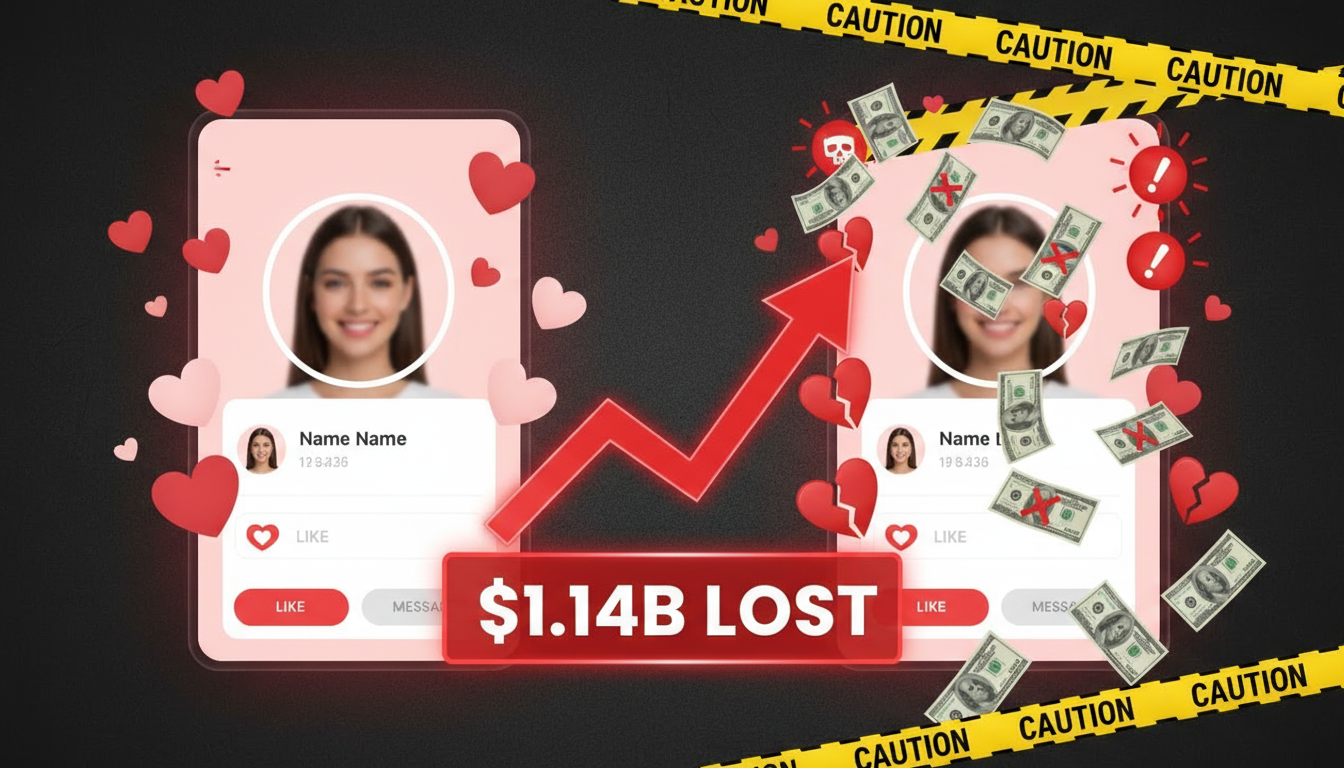
According to the Federal Trade Commission, imposter and romance-related fraud complaints have surged year over year, reflecting just how easy it has become to live a double life online. If your partner is hiding something, there is a digital trail. You just need the right tools to find it.
Before you spend another night guessing, run a search on Social Catfish. Enter their name, phone number, email, or photo, and find out what accounts and profiles are connected to them across the internet. Here is a full breakdown of the tools and methods that actually work.
Why Online Cheating Is So Common Now
Select the best information you have on your partner right now – we will tell you exactly where to start.
Online infidelity has exploded in recent years. According to Psychology Today, cheaters use over 53 different strategies to hide their affairs, and up to 70% of them use seven or more tactics at the same time. The internet makes it easier than ever to connect with people, maintain secret relationships, and cover your tracks.
Dating apps, social media, and messaging platforms have created a perfect storm for infidelity. Someone can be chatting with multiple people, maintaining emotional affairs, or even meeting up with others, all while appearing completely normal at home.
But here’s what cheaters don’t realize: digital footprints are nearly impossible to erase completely. Every online interaction leaves a trace, and the right tools can uncover it.
The Most Effective Tools for Catching Cheaters
Reverse Phone Lookup Services
One of the most powerful tools in your arsenal is a reverse phone lookup. If you’ve found unknown numbers on your partner’s phone, these services can reveal who those numbers belong to and what social media accounts or dating profiles are connected to them.
These lookups work by searching through billions of public records and social media profiles. You enter a phone number, and the service displays all information associated with it, including social media accounts, dating profiles, photos, and even addresses.
Background Check Services
Professional background check services have become incredibly sophisticated. Services like Social Catfish, CheckPeople, and Instant Checkmate can uncover hidden social media accounts, dating profiles, and financial records that might reveal suspicious activity.
These services search through public records, social media platforms, and even “deep web” information that’s not easily accessible through regular searches. They can reveal:
- Hidden social media accounts
- Dating site profiles
- Unknown email addresses
- Property records
- Financial information
- Associates and connections
Social Media Investigation Tools
Social Catfish specializes in helping people verify online identities and catch cheaters. Their platform combines reverse image searches, social media searches, and background checks to give you a complete picture of someone’s online presence.
You can search by name, phone number, email address, or even upload a photo to see where else it appears online. This is particularly useful for finding out if someone has a dating profile or discovering hidden social media accounts.
Reverse Image Search
If you’ve found suspicious photos on your partner’s phone or social media, reverse image searches can tell you where else those images appear online. This can reveal if they’re using photos from dating sites, talking to someone who’s using fake photos, or maintaining profiles you’re not aware of.
Red Flags That Suggest Online Cheating
Before you start using these tools, it helps to know what signs to look for. Research from Power of Positivity identifies 20 key behaviors that might indicate online infidelity:
Digital Behavior Changes
- Sudden overprotectiveness of their phone or computer
- Changing passwords that were previously shared
- Clearing browser history frequently
- Taking calls in private or speaking in hushed tones
- Receiving messages at odd hours
- Avoiding shared online activities you used to enjoy together
Emotional and Physical Changes
- Emotional distance or indifference toward you
- Signs of a cheating boyfriend include decreased interest in physical intimacy
- Sudden interest in appearance and self-care
- Defensive behavior when asked about online activities
- Frequent mention of a new “friend” online
Behavioral Shifts
- Unexplained changes in schedule or routine
- Picking arguments over petty issues
- Unwillingness to discuss the future
- Lack of engagement in activities you used to do together
Psychology Today research shows that cheaters often show you more interest than usual to cover their tracks, while simultaneously being calculatedly discreet about their affairs.
How to Use These Tools Effectively
Start with Basic Searches
Begin with simple searches using information you already have. How to know if someone is on dating sites often starts with searching their name, phone number, or email address on various platforms.
Check Multiple Platforms
Don’t limit yourself to one search method. Use reverse phone lookups, background checks, and social media searches together for a complete picture. Each tool might reveal different pieces of the puzzle.
Document Everything
Keep records of what you find. Screenshot suspicious profiles, save URLs, and note dates and times. This documentation will be important if you need to confront your partner or if the situation escalates.
Be Prepared for What You Might Find
Signs of a cheating partner in a relationship can be devastating to discover. Have a support system in place and consider speaking with a counselor before you start your investigation.
Legal and Ethical Considerations
Before you begin digging, familiarize yourself with the legal boundaries. According to WikiHow, you should avoid:
- Installing keyloggers or spyware without consent
- Accessing their accounts without permission
- Using illegal surveillance methods
- Making public accusations without solid evidence
Focus on information that’s publicly available or that you have legitimate access to. Most of the tools mentioned here work with public records and information that’s already available online.
What to Do When You Find Evidence
Don’t Confront Immediately
Take time to process what you’ve found. Emotions run high in these situations, and confronting your partner while you’re angry or upset rarely leads to productive conversations.
Gather Complete Information
Make sure you have the full picture before having the conversation. One suspicious profile might have an innocent explanation, but multiple hidden accounts and secret communications paint a different story.
Plan the Conversation
Choose a time and place where you can talk privately without interruptions. Approach the conversation calmly and present the evidence you’ve found. Be prepared for denial, anger, or attempts to shift the blame onto you.
Consider Professional Help
Whether you decide to work through the infidelity or end the relationship, consider couples counseling or individual therapy. How to catch a cheater is just the first step – dealing with the aftermath requires professional support.
When the Tools Reveal Romance Scams

Sometimes your investigation might reveal that your partner isn’t cheating with someone they know – they’re being scammed. Romance scams are increasingly common, and your partner might be the victim rather than the perpetrator.
Suppose you discover your partner is sending money to someone online, receiving photos that appear in multiple places, or communicating with someone whose story doesn’t add up. In that case, they might be caught in a romance scam rather than having an affair.
International Considerations
If you’re outside the US, some tools work differently. For example, finding out if someone is registered on a dating site for free in the UK requires different approaches and platforms than those used in US-based searches.
FAQ
While general search engines and basic social media searches are free, completely free, comprehensive tools for catching a cheater online are often limited. A thorough investigation, especially one that searches deep social networks, dating sites, and public records, typically requires a paid service like Social Catfish.
You can use Social Catfish’s Reverse Image Search by uploading a suspected photo. While the full report requires a subscription, the search may quickly show you where that image appears online, which can help reveal duplicate profiles or stolen photos being used on other sites.
Social Catfish is a leading verification platform for this. You can use their Reverse Phone Number Search or Reverse Email Search to input the known contact information. The search then scans various public records and online platforms to find associated social media accounts, dating profiles, and other identities.
Social Catfish offers several reverse search tools designed to verify identity and uncover hidden profiles. By using their Name, Username, Email, Phone, or Image Lookups, you can find out if your partner has undeclared social media accounts, dating profiles, or is using an alias online.
A Social Catfish reverse search can potentially uncover information like linked social media and dating profiles, usernames across different platforms, public records, and associated contact details (phone numbers, emails) that may be connected to an undisclosed identity.
The Bottom Line on Catching Cheaters
Modern technology has made cheating easier, but it’s also made catching cheaters more straightforward than ever before. The tools exist to uncover hidden dating profiles, secret social media accounts, and suspicious online behavior.
But remember, these tools are just that: tools. They can provide you with information, but they can’t make decisions for you. What you do with the information you find is ultimately up to you.
Some relationships survive infidelity and come out stronger. Others don’t. Either outcome is valid, and either choice requires courage.
The most important thing is that you don’t have to live with uncertainty. If you suspect your partner is cheating online, you have options. You can find out the truth, and then you can decide what to do with it.
Trust your instincts. If something feels wrong, it probably is. And if you need to know for sure, the tools are there to help you find out.