 Multiple Faces Detected


 January 21st, 2026
AI was supposed to make life easier—fulfilling mundane tasks, answering queries, and streamlining complex processes. Recently, however, this innovative technology has become a go-to tool for deception, enabling scammers to create hyper-realistic fraud that’s harder than ever to detect.
According to estimates made by Deloitte’s Center for Regulatory Strategy, fraud powered by AI could cause losses reaching $40 billion by 2027.
As AI continues to become more sophisticated, many argue that AI should be stopped for scamming purposes before the damage becomes irreversible. In this article, we’ll explore how scammers are exploiting AI for their own gain, touching on the reasons behind this as well as the measures you can take to protect yourself.
How AI is Fueling Scams on a Massive Scale
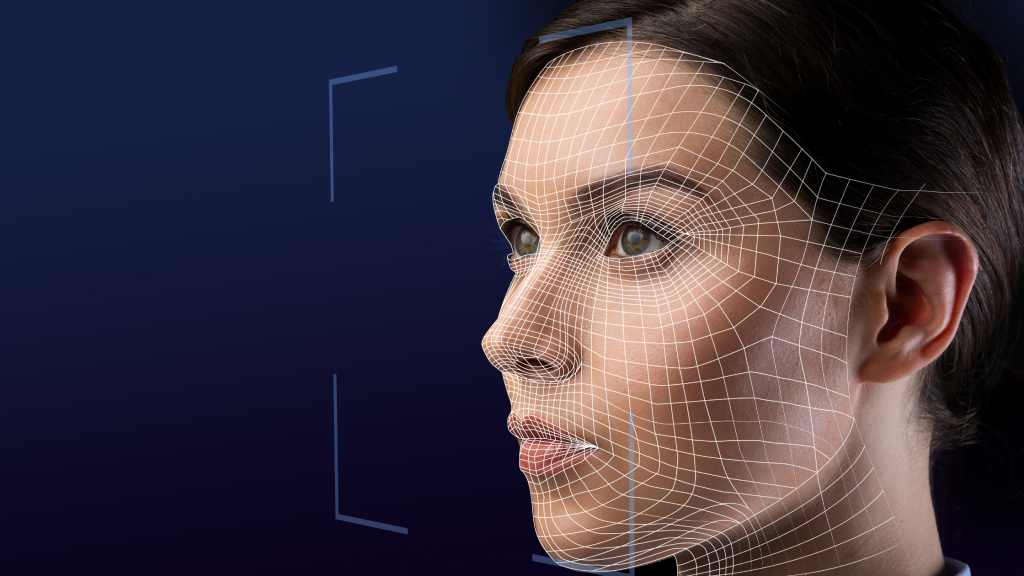
AI, or artificial intelligence, refers to technology that can simulate human learning. These computer programs analyze thousands of data points to generate human-like text, images, and voices. While AI has many legitimate uses, there has been a rising trend in scammers exploiting these tools to commit fraud.
In the past, scams relied on poorly written emails or obvious fake profiles. These would be easy to spot, resulting in only the most gullible people to lose their money. Now, with the help of AI, scammers can generate thousands of scam messages instantly, clone voices for impersonation, and even create untrue videos that look real.
Scammers are also making their attacks personalized. AI can scan social media to learn about a target’s job, interests, and family, using its findings to craft messages that seem authentic. Instead of generic phishing emails, people now receive realistic-sounding messages tailored just for them.
As a result, even cautious individuals are being tricked by fraud that looks and feels real.
The Most Dangerous AI-Driven Scams Today
AI is making scams more deceptive and harder to detect than ever before. Here are some of the most dangerous ones:
Deepfake Impersonation
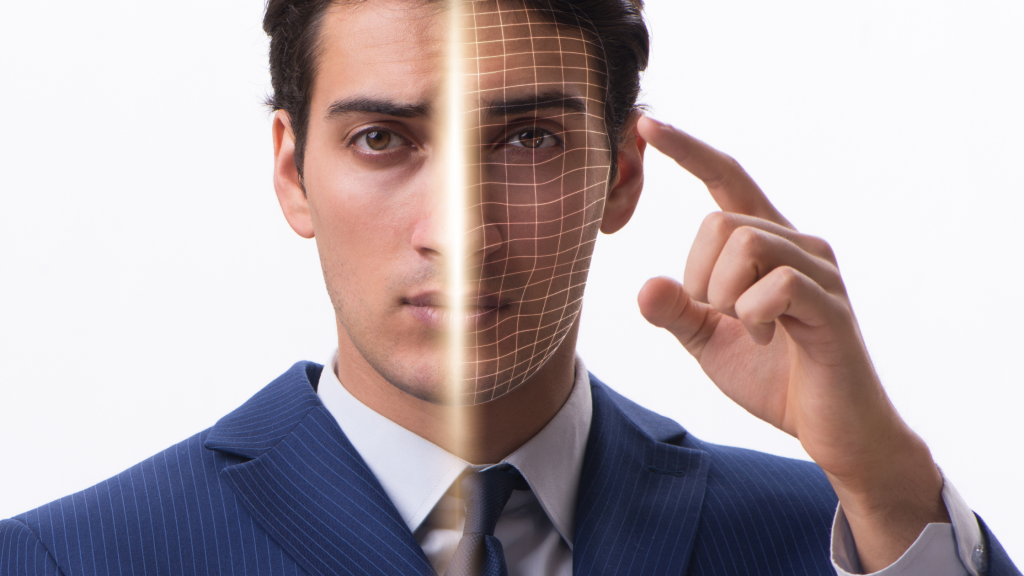
Deepfakes are AI-generated videos or audio recordings that can make someone appear to say or do things they never actually did. By analyzing real footage, AI can replicate a person’s face, voice, and even mannerisms like gestures and body language.
Scammers are using deepfake technology to impersonate celebrities, executives, politicians, and even family members with alarming accuracy. In one case, a finance worker in Hong Kong was tricked into transferring $25 million after fraudsters posed as the company’s CFO during a video conference call. Every other person in the multi-staff meeting was also a deepfake, created by scammers to convince the worker that their meeting was legitimate.
Deepfakes can also be used to manipulate social media, spreading misinformation that can impact viewers’ real-life choices.
AI-Powered Phishing & Fraud
Phishing scams have become more sophisticated thanks to AI chatbots. These bots generate scam emails, texts, and even voice calls that mimic real companies and individuals, making them harder to spot. Unlike traditional phishing attempts filled with typos, AI-powered scams sound professional, convincing, and even personal, using publicly available data to trick users into building trust.
The impact has been staggering. Since the emergence of ChatGPT in 2022, the total volume of phishing attacks has skyrocketed by 4,151%, with numbers expected to only rise with time.
Fake Reviews & Scam Businesses
AI is being used to generate fake reviews, testimonials, and business profiles to trick consumers. Scammers flood online platforms with AI-generated positive reviews, giving fake businesses an illusion of credibility and trust. These deceptive tactics lure in unsuspecting customers, who often realize too late that they’ve been scammed.
The scale of this problem is massive. A report from the Transparency Company analyzed 73 million reviews across three industries and found that a significant portion were either partly or entirely AI-generated.
As AI tools become more advanced, spotting these fake reviews is becoming increasingly difficult, making it even more imperative to find solutions.
Why AI-Driven Scams Are So Hard to Stop
AI scams are evolving faster than security systems can keep up, making them increasingly difficult to detect and prevent.
Here’s why stopping them is such a challenge:
- AI Bypasses Scam Detection – Many of the more advanced AI-powered bots can now solve CAPTCHAs, online tests that were initially designed to filter out robots from human users.
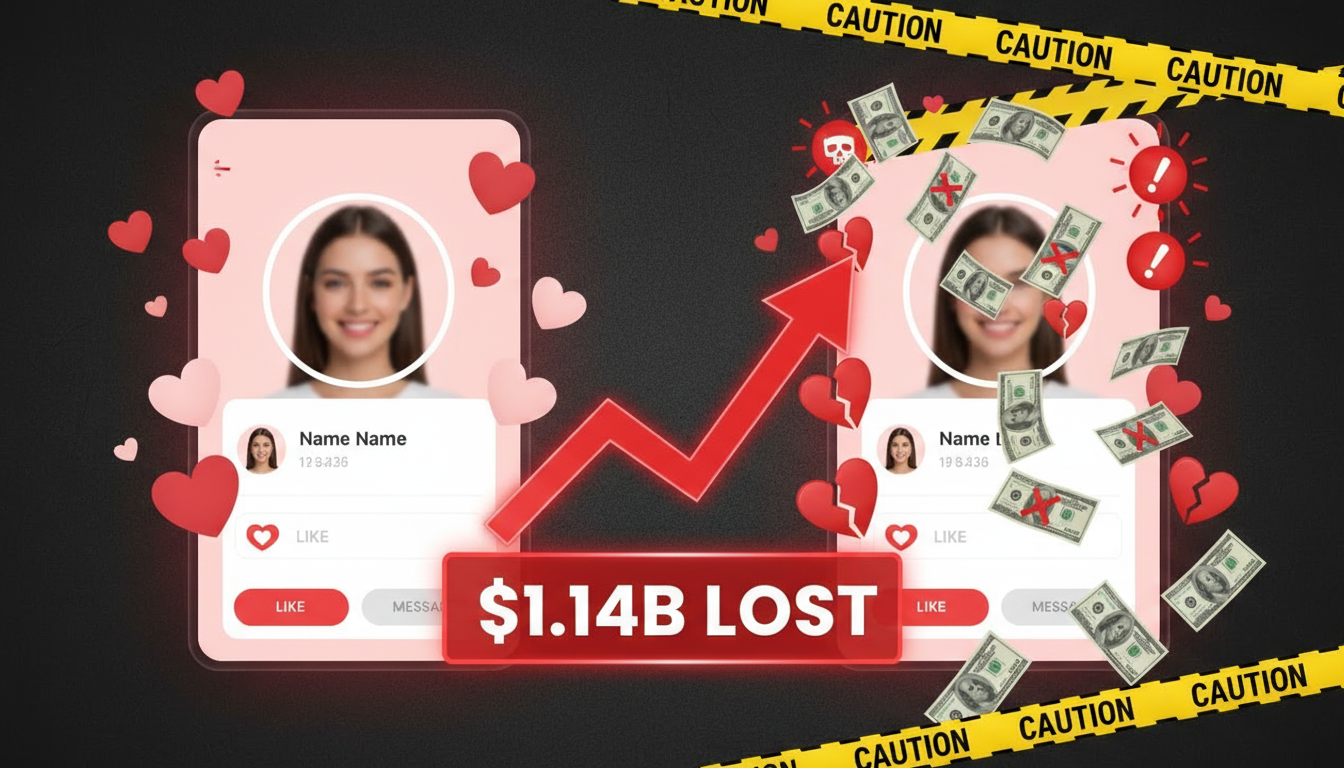
- Fake AI Bots on Social Media & Dating Apps – Scammers create thousands of realistic fake profiles that engage in conversations, making them harder to detect.
- Scammers Stay Ahead of Security Systems – AI generates unique scam messages each time, adapting quickly to bypass fraud detection.
- Difficult to Track and Prosecute – AI scams often use anonymous accounts, VPNs, and cryptocurrency, making it extremely difficult to trace criminals once they have committed fraud.
How to Protect Yourself from AI Scams
As AI-driven scams become more sophisticated, spotting fraud requires more than just common sense.
Here are some key ways to protect yourself:
- Verify online identities before engaging – If someone reaches out unexpectedly, whether through email, social media, or a dating app, confirm their identity before trusting them.
- Look for red flags – Scammers often use AI to create flawless profile pictures, overly polished messages, and eerily perfect grammar. Inconsistencies in their story or refusal to video chat can also be warning signs.
- Be cautious with urgent or emotional requests – Scammers often create a sense of urgency to pressure victims into making quick decisions, whether it’s a fake emergency call from a “family member” or a deepfake boss demanding a wire transfer.
- Watch out for fake reviews and scam businesses – If a company has hundreds of nearly identical five-star reviews, they may be AI-generated. Cross-check reviews across multiple platforms before making a purchase.
- Use tools like Social Catfish – A reverse image search, email lookup, or phone number check can reveal whether someone’s profile is stolen or linked to past scams. Services like hiring a search specialist can also be effective in uncovering the true identity of a scammer.
Should AI Be Stopped to Prevent Scamming?
AI has become a powerful tool for scammers, making fraud more sophisticated and harder to detect. But should AI be stopped entirely to prevent its misuse? The answer isn’t that simple.
Banning AI outright would also eliminate its legitimate benefits—fraud detection systems, cybersecurity advancements, and identity verification tools all rely on AI to fight the very scams it enables.
Instead of stopping AI, the focus should be on stronger regulations, ethical AI development, and better fraud detection methods. Governments and tech companies are already working on policies to limit AI misuse, but enforcement remains a challenge as scammers adapt quickly.