 Multiple Faces Detected


 July 14th, 2019
Want to purchase products from Letgo without being scammed? Learn the most common scams found on Letgo and how to avoid them.
What is Letgo?

If you’ve always loved classified ads, Letgo is right up your alley. Launched in 2015, Letgo is a company (both a website and app) which allows users to sell, buy, and chat with other local sellers and buyers. Similar to market leaders, eBay and Craigslist, in 2016 the company merged with another mobile classifieds startup, Wallapop (though Letgo is still the majority owner).
While Letgo started as a United States based company, it has since launched in places like Canada and Norway. The benefit of Letgo is that it allows people to sell/buy items without giving out other information (name, address, phone number, and other accounts).
Social Catfish Tip: The more popular the site, the more frequent the scams!
The draw of using Letgo is to find low priced secondhand items which people are ready to “let go” of. If this sounds like nothing could go wrong, think again. Users of Letgo face similar problems to users of eBay and Craigslist. If you purchase or sell on Letgo, you will need to be consciously aware of which scams to look out for.
The Most Common Letgo Scams

Private Information
You discuss a Letgo sale, either as buyer or seller, and the person you’re talking to asks for personal information. While some users might do so innocently, others may be trying to get your private information to scam you through identity theft or to sell it on the dark web. This is how a (fraudulent) information request might go:
Example – Buyer messages you, asking, “Can I have your name, address, and phone number? I want to make sure this is legit.” Interested in proving your identity to a potential buyer, you might comply, which could open you to being scammed or having your account hacked.
Tell the user you don’t feel comfortable giving out that information and red flag whoever asked you. If you have other red flags regarding their behavior, report them to Letgo and block them.
Location
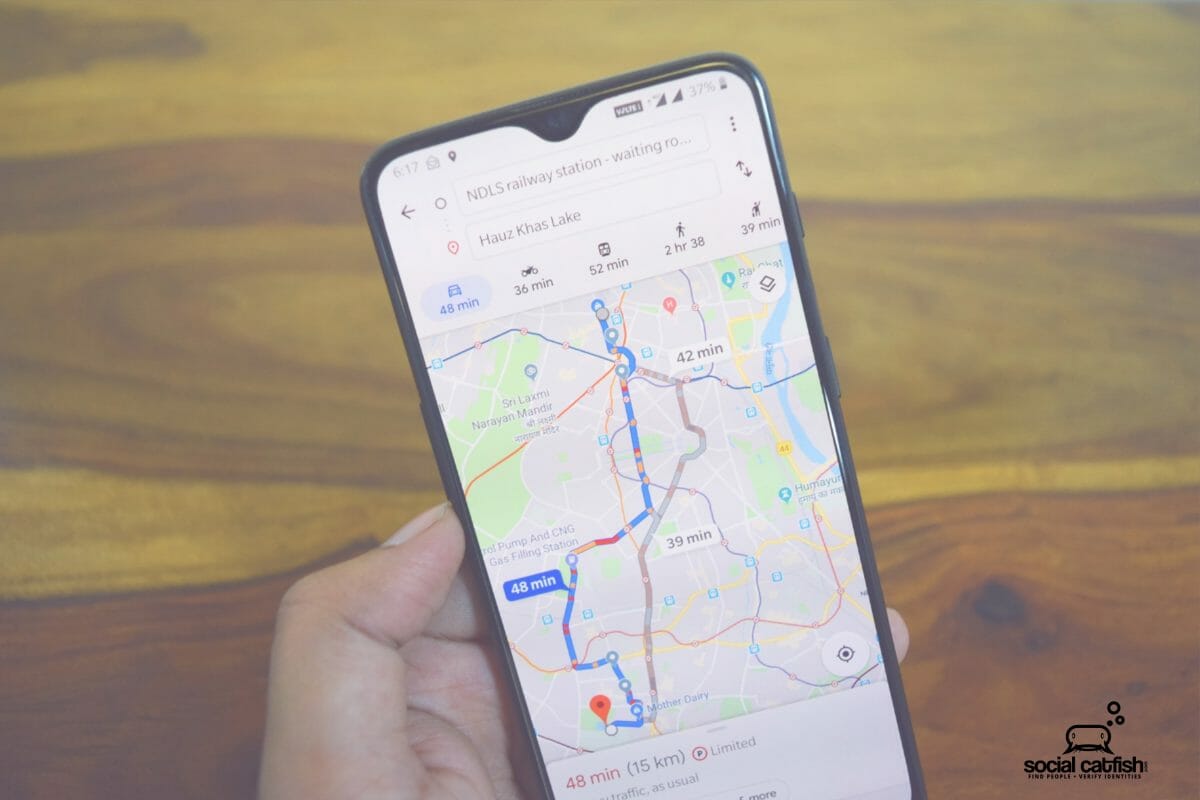
Imagine meeting to sell your iPad and being robbed at gunpoint instead. Unfortunately, there are real risks when you invite a stranger(s) into your home or to meet at a private location. Police across the United States, in states like Florida, have even suggested people who use marketplace apps meet outside the police department.
Pick a public, populated location with cameras. Bring a friend with you, if you can, and make sure the place you pick will be well lit and the business open (for instance, find out what time a coffee shop closes).
Too Good to Be True
If there is a cell phone that is marked much cheaper than others of its type, there is probably a reason why. In the case of a phone, it might be locked, broken, or stolen. The same is true for most any item that is cheaper than others of their kind. Beware of deals that cause you to forget critical thinking. Even a great deal is too much to pay if it’s part of a scam!
To avoid being scammed, try and buy or sell to verified users. While there are still some safety concerns (do not pick private locations and beware that even verified accounts can be hacked), it is better than new or unverified accounts.
Social Catfish users know that we can create a safe online world together. We help to educate users of the world wide web on how to keep private information private and avoid being tricked or scammed. If you think someone is trying to scam you, but aren’t sure, use our quick and easy search at Social Catfish.
You can search profile images, name, email address, phone number, and username. This will provide you with valuable information to keep you and your purchases or sales safe online.