 Multiple Faces Detected


 October 9th, 2025
WhatsApp has over 2 billion users worldwide, making it one of the most popular messaging apps on the planet. But this massive user base has also made it a prime hunting ground for scammers. In the first half of 2025 alone, Meta removed 6.8 million scam accounts from WhatsApp.
The problem is getting worse. According to the FTC, social media fraud losses spiked from approximately $770 million to $1.9 billion between 2023 and 2025. Much of this fraud happens on messaging platforms like WhatsApp, where scammers hide behind encryption and anonymity.
So why do scammers love WhatsApp so much? The answer lies in the very features designed to protect your privacy. This guide breaks down why scammers prefer WhatsApp, the most common scams you’ll encounter, and how to protect yourself on the platform.
Why Scammers Target WhatsApp
End-to-End Encryption Works Both Ways
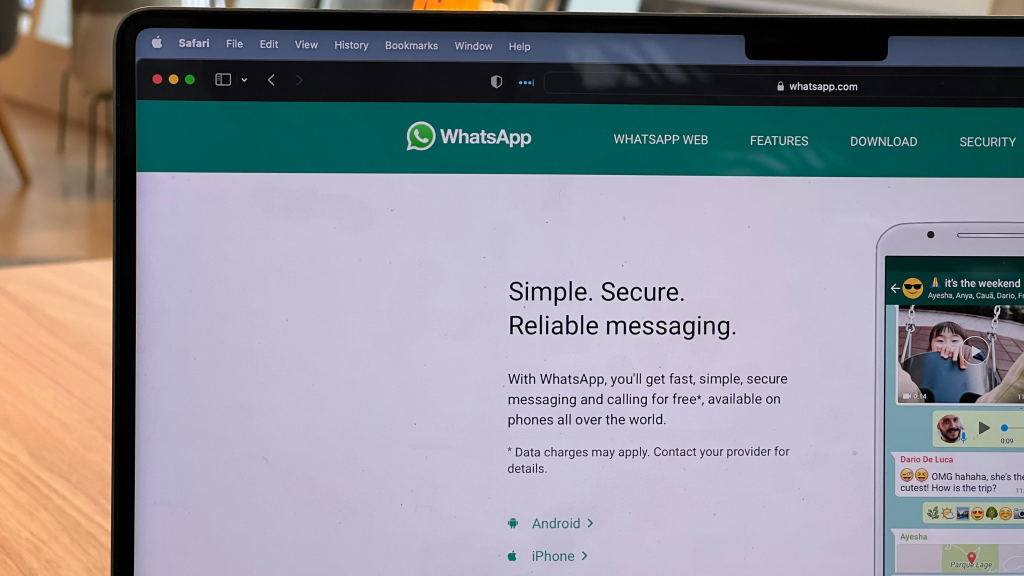
WhatsApp uses end-to-end encryption for all messages, calls, and media. This means only you and the person you’re communicating with can read or listen to what’s sent. Not even WhatsApp can access your conversations.
While this protects your privacy, it also shields scammers from detection. Law enforcement and WhatsApp itself can’t monitor suspicious conversations in real-time. Scammers exploit this encryption to conduct fraud without immediate consequences.
Easy Account Creation and Anonymity
Creating a WhatsApp account requires only a phone number. Scammers can:
- Use burner phones or temporary numbers
- Create multiple accounts quickly
- Hide their real identity behind fake profiles
- Operate from anywhere in the world
Unlike social media platforms that require email verification or identity checks, WhatsApp’s simple setup makes it easy for fraudsters to establish anonymous accounts.
Global Reach with No Borders
WhatsApp works internationally without extra charges. Scammers in one country can easily target victims in another. This global access means:
- Scammers operate across jurisdictions
- Law enforcement faces challenges tracking international fraud
- Victims often can’t pursue legal action against overseas scammers
- Language barriers can confuse victims into trusting scammers
Privacy Settings Favor Scammers
WhatsApp’s privacy features allow users to hide their profile photo, conceal their “last seen” status, disable read receipts, and block their “about” information. While these settings protect legitimate users, scammers use them to avoid verification. You can’t easily tell if an account is real or fake when all identifying information is hidden.
Received a suspicious WhatsApp message? Use Social Catfish’s reverse phone lookup to verify who’s really behind that number.
The Most Common WhatsApp Scams in 2025
Account Hijacking
Scammers steal your WhatsApp account by tricking you into sharing your verification code. They claim to be WhatsApp support or say they accidentally sent you their code. Once they have access, they lock you out, impersonate you to your contacts, and ask your friends and family for money.
Remember: WhatsApp will never ask for your verification code.
Romance Scams
Scammers create fake profiles and build romantic relationships with victims over weeks or months. Once trust is established, they claim to need money for emergencies, ask for help with travel expenses to “meet you,” or request funds for medical bills or legal issues.
Warning sign: They refuse video calls or always have excuses for not meeting in person.
Investment and Crypto Scams
Scammers promise high returns on cryptocurrency or other investments. They show fake profit screenshots, create convincing investment platforms, pressure you to invest quickly, and disappear once you send money.
Some scams involve asking victims to complete simple tasks like liking social media posts to “earn” small amounts, building trust before requesting larger investments.
Fake Job Offers
Scammers post attractive job opportunities with work-from-home options. They conduct fake interviews, offer positions that seem too good to be true, request personal information for “background checks,” and ask for upfront payments for training materials or equipment.
Impersonation Scams
Scammers pretend to be your bank, government agencies like the IRS, tech support from WhatsApp or other companies, or friends and family members in urgent need. They create urgency to pressure you into sending money or sharing sensitive information.
Don’t trust a WhatsApp contact claiming to be someone you know. Verify their identity with Social Catfish’s search tools before responding.
Red Flags: How to Spot WhatsApp Scams
Watch for these warning signs in WhatsApp conversations:
Messages from Unknown Numbers
- Unsolicited contact from numbers not in your phone
- International numbers you don’t recognize
- Messages starting with generic greetings like “Hello friend”
Urgency and Pressure
- Claims of emergencies requiring immediate action
- Limited-time offers that expire soon
- Threats if you don’t respond quickly
- Pressure to keep conversations secret
Requests for Money or Information
- Asking for financial help from someone you barely know
- Requests for bank account or credit card details
- Demands for gift cards or cryptocurrency
- Asking for your WhatsApp verification code
Too Good to Be True
- Jobs with high pay for minimal work
- Investment opportunities with guaranteed returns
- Free prizes or giveaways you didn’t enter
- Romantic interest from attractive strangers
Poor Communication
- Grammar and spelling mistakes
- Generic or scripted responses
- Inconsistent details in their story
- Avoiding video calls or voice messages
Suspicious Links and Attachments
- Shortened URLs that hide the real destination
- Unexpected files or documents
- QR codes from unknown sources
- Links claiming urgent account verification
How to Protect Yourself on WhatsApp
Enable Two-Step Verification
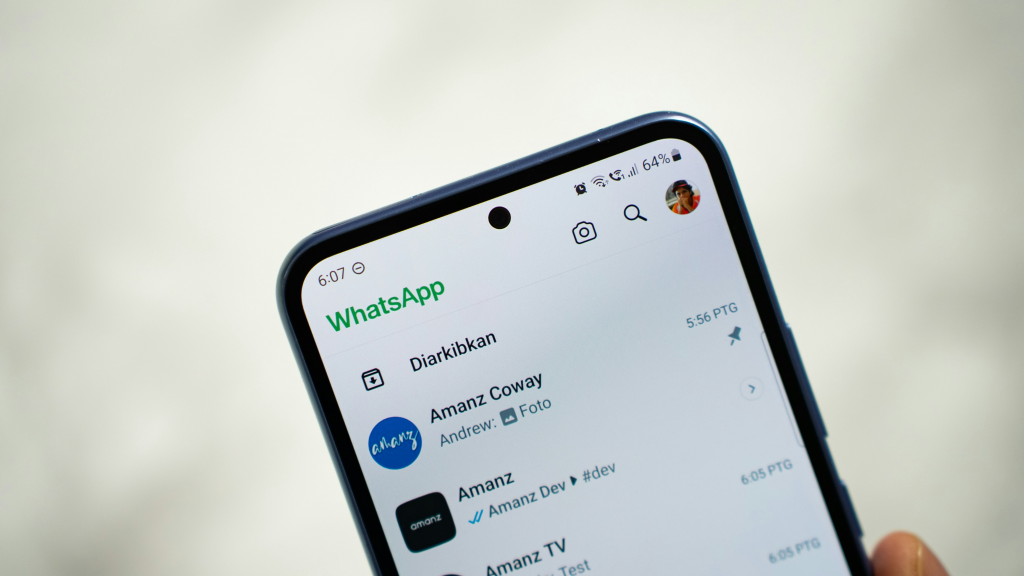
WhatsApp offers two-step verification that adds an extra layer of security. This requires a PIN when registering your phone number with WhatsApp again. Enable it by going to Settings > Account > Two-step verification, tap Enable, create a six-digit PIN, and add an email address for recovery.
Adjust Your Privacy Settings
Limit who can see your information by setting Profile Photo, About, Last Seen, Status, and Groups to “My Contacts” only.
Verify Contacts Before Trusting Them
Before sharing information or money:
- Call the person using their regular phone number (not through WhatsApp)
- Ask questions only the real person would know
- Video call to confirm their identity
- Check their profile photo against known pictures
Never Share Your Verification Code
WhatsApp will never ask for your six-digit verification code. If someone requests it, don’t share it under any circumstances, block and report the contact immediately.
Don’t Click Suspicious Links
Before clicking any link, hover over it to see the full URL, check if the domain looks legitimate, search the company’s official website separately, and never enter login credentials from a link in a message.
Report and Block Suspicious Contacts
If you encounter a scammer, open the chat, tap the contact’s name, scroll down and tap “Report Contact,” then select “Block” and “Report.”
Use Social Catfish Verification Tools
Before trusting a WhatsApp contact, especially one asking for money or personal information, use Social Catfish’s reverse phone lookup to identify who owns the number, image search to check if their profile photo is stolen, and background search to verify their identity and history.
What to Do If You’ve Been Scammed on WhatsApp
Take Immediate Action
Contact Your Bank: Report fraudulent transactions immediately, request chargebacks if possible, freeze accounts if you shared banking information, and get new cards issued.
Change Your Passwords: Update WhatsApp account password, change email passwords, update banking and financial account passwords, and enable two-factor authentication everywhere.
Document Everything: Screenshot all conversations, save the scammer’s phone number, record transaction details, and note dates and amounts sent.
Report the Scam: File reports with WhatsApp through the app, the FTC at ReportFraud.ftc.gov, your local police, and the FBI’s Internet Crime Complaint Center at ic3.gov.
Warn Your Contacts: If your account was hijacked, immediately contact friends and family through other methods to warn them someone is impersonating you.
How Social Catfish Helps Fight WhatsApp Scams
Social Catfish provides powerful verification tools to protect you from WhatsApp fraud:
Reverse Phone Lookup: Identify who really owns a WhatsApp number, see their location and carrier information, find associated social media profiles, and check if the number has been reported for scams.
Image Reverse Search: Upload a WhatsApp profile photo, find where else that image appears online, discover if it’s stolen from someone else, and expose fake identities.
Comprehensive Background Checks: Verify someone’s real identity, uncover criminal records, find hidden social media accounts, and access public records and contact information.
Dedicated Search Specialists: Work directly with a trained investigator who can analyze your case, perform in-depth manual searches, and help you uncover hidden connections or confirm suspicious activity that automated tools might miss.
Frequently Asked Questions
Why do scammers prefer WhatsApp over other messaging apps?
Scammers prefer WhatsApp because of its end-to-end encryption which prevents detection, easy account creation requiring only a phone number, global reach without international charges, and privacy settings that allow them to hide their identity. The massive user base of over 2 billion also provides more potential victims.
How can I tell if someone is scamming me on WhatsApp?
Red flags include unsolicited messages from unknown numbers, requests for money or personal information, pressure to act urgently, offers that seem too good to be true, refusal to video chat, and poor grammar or spelling. Always verify the person’s identity using Social Catfish before sharing information or money.
What should I do if I receive a suspicious message on WhatsApp?
Don’t respond or click any links. Don’t share personal information or money. Use Social Catfish’s reverse phone lookup to identify the sender. Block and report the contact through WhatsApp. If they claim to be someone you know, verify through a phone call or video chat.
Can scammers access my WhatsApp messages?
Due to end-to-end encryption, scammers can’t intercept your messages unless they gain access to your account. They do this by stealing your verification code or getting you to scan a malicious QR code. Enable two-step verification and never share your verification code to prevent account hijacking.
How does Social Catfish help protect me from WhatsApp scams?
Social Catfish helps you verify unknown WhatsApp contacts before you trust them. Our reverse phone lookup identifies who owns a number, our image search exposes stolen profile photos, and our background checks reveal someone’s real identity. These tools help you avoid scammers before they can steal your money or information.
Conclusion
WhatsApp’s privacy features make it an attractive platform for both users and scammers. While end-to-end encryption protects your conversations, it also shields fraudsters from detection. The ease of creating anonymous accounts and the app’s global reach have made WhatsApp a top choice for scammers running everything from romance scams to investment fraud.
Your best defense is verification. Don’t trust unknown contacts just because they’re on WhatsApp. Use Social Catfish’s tools to investigate suspicious numbers, verify identities, and protect yourself before sharing personal information or money. Remember: legitimate contacts won’t pressure you, threaten you, or ask for verification codes.
Stay vigilant, enable two-step verification, and always verify before you trust.