 Multiple Faces Detected


 April 1st, 2023
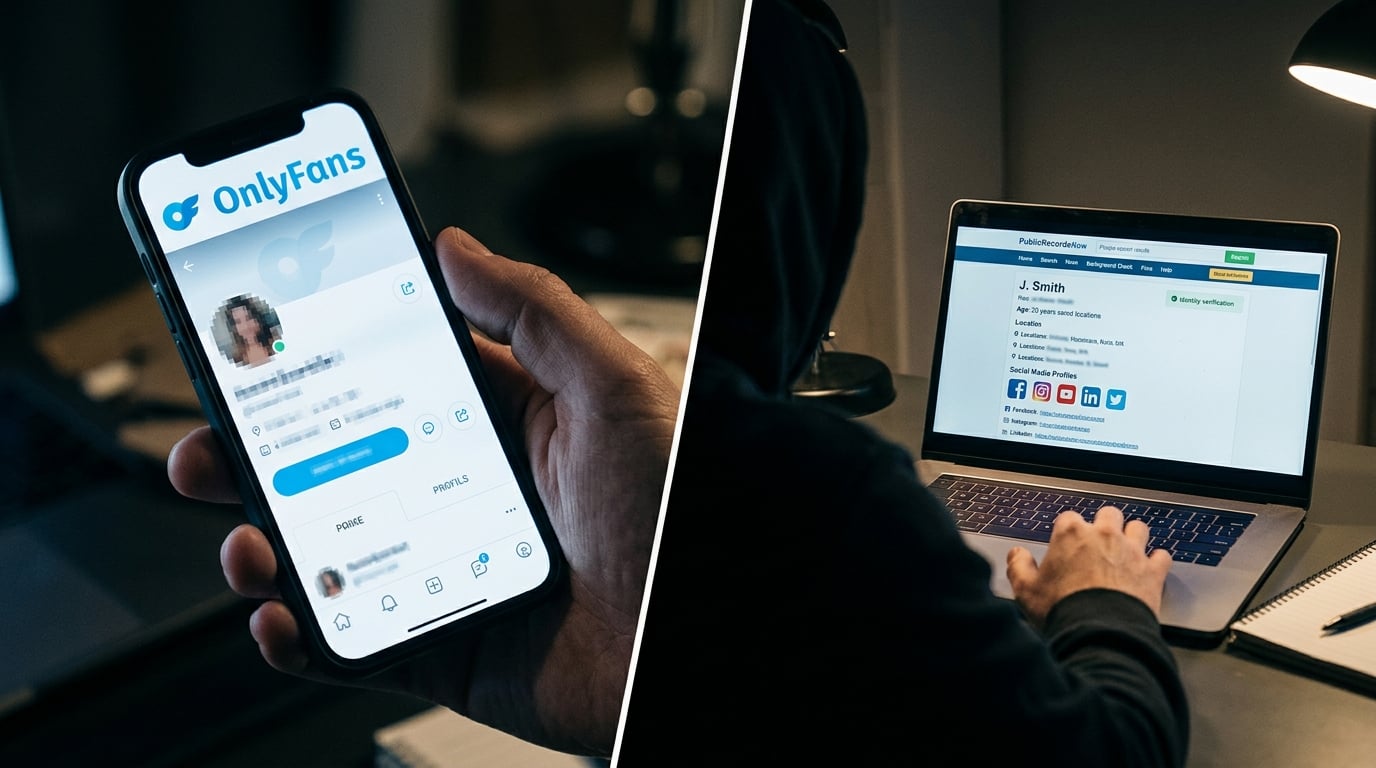
In today’s digital age, we rely on a variety of apps and services to manage our daily lives. While these apps and services can be convenient and helpful, they often require us to share personal information in order to function. Unfortunately, many of these apps and services may also be sharing our personal information with third-party companies without our knowledge or consent. In this blog post, we’ll explore the risks of sharing personal information with third-party apps and services and provide tips on how to protect your personal information online.
Can Third Party Apps Steal your Data?
Third-party apps often require access to your personal information in order to function properly. While most reputable apps have privacy policies in place to protect your data, there is always a risk that third-party apps can steal your data.
There are a variety of ways that third-party apps can steal your data. They may use code that collects your data without your knowledge or consent, or they may intentionally misuse your data in violation of their privacy policies.
Over the years, there have been several high-profile cases of third-party apps stealing user data. One notable example is the Cambridge Analytica scandal, where a third-party app was able to collect data on millions of Facebook users without their consent.
Some warning signs that a third-party app may be stealing your data include frequent crashes, unusually high data usage, and unexpected charges or subscriptions. If you notice any of these issues, it may be worth investigating the app’s privacy practices and uninstalling the app if necessary.
What is Third-Party Data Sharing and How Does it Work?
Third-party data sharing is the practice of sharing user data with companies and entities outside of the company that collects the data. Third-party data refers to user data that is collected by a company or entity that is not the user or the company that the user is interacting with. For example, if you use a social media app, your data is collected by the app (first-party data), but it may also be shared with advertisers or other third-party companies (third-party data).
Third-party data sharing typically involves the use of cookies, which are small files that are stored on a user’s device to track their online behavior. When a user visits a website or uses an app, the cookies can be used to collect data on their browsing history, location, and other information. This data is then shared with third-party companies for advertising and marketing purposes.
Companies engage in third-party data sharing for a variety of reasons, including to target advertising to specific audiences, to analyze user behavior, and to monetize user data. Third-party data can be valuable to companies because it allows them to better understand their target audience and improve their marketing efforts.
The risks of third-party data sharing include privacy violations, data breaches, and the potential for user data to be misused or sold to other companies. Additionally, users may not be aware that their data is being shared with third-party companies, which can erode trust and damage the reputation of the company that collects the data.
Examples of third-party data sharing include social media companies sharing user data with advertisers, fitness tracking apps sharing user data with health insurance companies, and e-commerce websites sharing user data with third-party marketing companies.
Users can protect their data from third-party data sharing by being mindful of the apps and websites they use and reading the privacy policies of these services. Additionally, users can disable cookies or use ad-blocking software to limit the amount of data that is collected and shared with third-party companies. Finally, users can use privacy-focused search engines and apps that do not engage in third-party data sharing.
The Risks of Sharing Personal Information with Third-Party Apps and Services
Sharing personal information with third-party apps and services can come with various risks.
- Privacy violations: When you share personal information with third-party apps and services, you are putting your privacy at risk. These apps and services may use your data for purposes that you did not intend or consent to, such as sharing it with other companies for targeted advertising or selling it to third-party data brokers.
- Security breaches: Third-party apps and services may not have the same level of security as the platforms you use to access them. This means that your personal information may be vulnerable to security breaches and data leaks, which can lead to identity theft, financial fraud, and other serious consequences.
- Inaccurate information: Third-party apps and services may collect and use inaccurate information about you, which can impact your credit score, insurance rates, and other areas of your life. For example, an app that collects health data may use inaccurate information to make recommendations about your diet or exercise routine.
- Lack of control: When you share personal information with third-party apps and services, you may be giving up control over how your data is used and who has access to it. This can make it difficult to protect your privacy and maintain control over your personal information.
- Targeted advertising: Third-party apps and services may use your personal information to serve targeted advertising, which can be intrusive and annoying. This type of advertising can also lead to unwanted solicitations and scams.
- Legal and regulatory risks: Sharing personal information with third-party apps and services may put you at risk of violating laws and regulations, such as the General Data Protection Regulation (GDPR) in the European Union or the California Consumer Privacy Act (CCPA) in the United States. Violating these laws can result in fines, legal fees, and other legal and financial consequences.
How to Identify which Apps and Services are Sharing your Personal Information
It can be difficult to know which apps and services are sharing your personal information, but there are some steps you can take to identify these practices:
- The privacy policy of an app or service should explain how your personal information is collected, used, and shared. Look for details about data sharing with third parties, and be wary of any vague or overly broad statements.
- When you download an app, it may ask for permission to access certain features or information on your device. Check these permissions carefully to see if the app is asking for access to more information than it needs to function properly.
- Many apps and services offer privacy tools that allow you to control how your personal information is shared. For example, you may be able to opt out of targeted advertising or limit the amount of data that is shared with third parties.
- There are browser extensions and apps that can block tracking scripts and prevent third-party cookies from being installed on your device. These tools can help you limit the amount of personal information that is shared with third parties.
- There are online tools that can help you identify which apps and services are sharing your personal information. For example, some tools can scan your Facebook account and show you which apps have access to your data.
- Regularly check your accounts for unusual activity or unauthorized access. If you see any suspicious activity, change your passwords immediately and revoke access to any apps or services that may have been compromised.
Remember that protecting your personal information is an ongoing process. Stay informed about new privacy risks and take steps to protect your data on an ongoing basis. By being vigilant and proactive, you can reduce the risks associated with sharing personal information with third-party apps and services.
Tips for Protecting your Personal Information Online
Use strong passwords
Use unique, strong passwords for all of your online accounts, and consider using a password manager to generate and store your passwords securely.
Enable two-factor authentication
Two-factor authentication adds an extra layer of security to your accounts by requiring a second form of verification, such as a code sent to your phone or email.
Be careful what you share
Be cautious about sharing personal information online, and avoid sharing sensitive information such as your social security number, bank account numbers, or credit card information.
Keep your software up to date
Keep your operating system, web browser, and other software up to date to ensure that you have the latest security patches and features.
Use a Virtual Private Network (VPN)
Use a VPN when connecting to public Wi-Fi or any other untrusted network to encrypt your internet traffic and protect your privacy.
Be wary of phishing scams
Be cautious of unsolicited emails, text messages, or phone calls that ask for personal information or contain links or attachments that may be malicious.
Check privacy policies
Read the privacy policies of the apps and services you use to understand how they collect, use, and share your personal information.
Use tracking blockers
Use browser extensions or apps that can block tracking scripts and prevent third-party cookies from being installed on your device.
Review your accounts regularly
Check your accounts regularly for unusual activity or unauthorized access, and revoke access to any apps or services that you no longer use or trust.
Be mindful of public Wi-Fi
Avoid accessing sensitive information or making financial transactions when using public Wi-Fi, as these networks are often unsecured and vulnerable to interception.
The Future of Data Privacy and The Role of Legislation in Protecting Consumer Information
The future of data privacy is a critical concern for consumers and businesses alike. With the increasing amount of personal information being shared online, there is a growing need for legislation and regulations that protect consumer data privacy.
Data breaches have become increasingly common in recent years, with high-profile incidents affecting millions of consumers. As a result, there is growing demand for stronger data protection laws and regulations.
The GDPR, which went into effect in 2018, is a landmark privacy law that gives EU consumers more control over their personal data. The law has been a catalyst for similar privacy laws around the world, including the California Consumer Privacy Act (CCPA) and the Brazil General Data Protection Law (LGPD).
Big tech companies such as Facebook and Google have come under scrutiny for their data privacy practices, and there is growing pressure for these companies to be more transparent about how they collect and use consumer data.
AI is becoming increasingly important in many industries, and there are concerns about how it will impact data privacy. For example, AI algorithms may be used to make decisions about individuals based on their personal data, raising questions about transparency and fairness.
Consumer education is key to protecting data privacy in the future. Consumers need to be aware of the risks associated with sharing personal information online, and they need to know how to protect themselves from data breaches and other privacy violations.
Legislation will play a critical role in protecting consumer data privacy in the future. Governments around the world are considering new privacy laws and regulations, and there is growing pressure for stronger enforcement of existing laws. However, there are challenges to implementing effective privacy laws, including the need for global standards and cooperation among governments and businesses.
Overall, the future of data privacy is complex and uncertain, but it is clear that protecting consumer information will be a critical priority for governments and businesses in the years to come. By staying informed about developments in data privacy and taking steps to protect their personal information, consumers can help ensure that their privacy rights are respected in the digital age.