
 Multiple Faces Detected


 November 1st, 2023
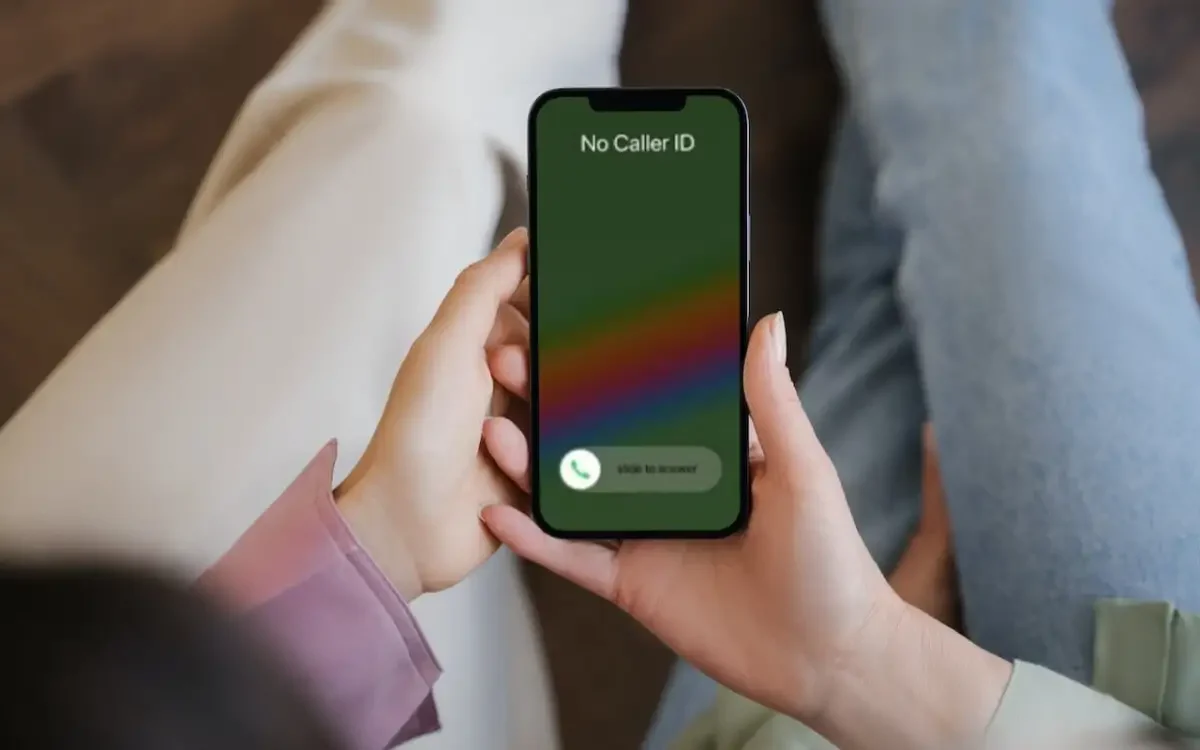
In a world where No Caller ID calls often raise suspicions and concerns about spam and scams, it’s important to recognize that not all anonymous calls are malicious. Sometimes, legitimate and trustworthy calls also come from numbers that don’t display caller information. This phenomenon can create a dilemma for recipients, leaving them unsure whether to answer or ignore the call. In this blog post, we’ll delve into the complexities of No Caller ID calls, exploring scenarios in which they are indeed legitimate and how to differentiate between trusted and potentially harmful anonymous calls. By understanding these nuances, you can confidently respond to No Caller ID calls while prioritizing your privacy and security.
The Mystery of No Caller ID: Deciphering Legitimate Calls
No Caller ID calls often leave recipients perplexed, trying to discern whether the call is legitimate or potentially another annoying scam. While the majority of No Caller ID calls may indeed be legitimate, there are several key scenarios in which these calls are commonly employed.
One of the most prevalent scenarios for No Caller ID is calls from medical professionals, doctors, or healthcare institutions. Medical privacy laws often require healthcare providers to withhold caller information to protect patients’ confidentiality. Consequently, patients may frequently receive calls from doctors’ offices or healthcare facilities without caller identification. This anonymity ensures that sensitive medical information remains private.
Additionally, legal professionals, including lawyers and law firms, often place No Caller ID calls to clients. These calls frequently involve discussions of sensitive legal matters, and the lack of caller identification serves as an added layer of security. For example, attorneys may contact clients about confidential legal proceedings, settlements, or other private legal affairs.
Another common use of No Caller ID is for political campaigns and advocacy groups. During election seasons, voters receive calls from campaigns, pollsters, or grassroots organizations advocating for specific political issues. As these calls may aim to collect political opinions or solicit donations, the absence of caller identification helps maintain the privacy and integrity of the political conversation.
In some cases, nonprofit organizations, charities, or support hotlines may use No Caller ID to reach out to individuals in need. This approach is often adopted when discussing sensitive subjects like mental health, addiction, or domestic abuse. Anonymous calls provide a safe and confidential space for individuals seeking assistance, advice, or support in such scenarios.
Understanding these scenarios for No Caller ID calls can help individuals make informed decisions when receiving such calls, allowing them to differentiate between legitimate, important calls and potential scams. It’s crucial to consider the context of the call and independently verify the caller’s identity when necessary.
Common Situations for Trusted No Caller ID Calls
No Caller ID calls often create a sense of mystery and hesitation when they appear on our phones. While it’s crucial to stay vigilant against potential scams, there are numerous legitimate situations in which No Caller ID calls are not only expected but essential. By understanding these common scenarios, individuals can differentiate between genuine calls and potential threats.
- Medical Appointments and Healthcare Providers: No Caller ID calls are commonly used by healthcare professionals, including doctors’ offices, hospitals, and clinics. These institutions prioritize patient confidentiality, adhering to privacy regulations like the Health Insurance Portability and Accountability Act (HIPAA). When reaching out to patients for appointments, test results, or other medical matters, healthcare providers often withhold their caller identification to protect sensitive patient information. Patients should feel comfortable answering these calls and verifying the caller’s identity when needed.
- Legal Consultations: Lawyers and law firms frequently employ No Caller ID for legal consultations and discussions with clients about sensitive legal matters. Legal cases and issues demand a high level of confidentiality, and attorneys must take precautions to safeguard their clients’ privacy. When a client receives a No Caller ID call from their attorney, it is often a legitimate and essential part of the legal process. Clients can anticipate these calls and should be prepared to verify their lawyer’s identity as an added security measure.
- Political Campaigns and Advocacy: During election seasons, No Caller ID calls are often associated with political campaigns, pollsters, and advocacy groups. Political organizations use these calls to engage with voters, conduct surveys, and promote specific candidates or causes. While some individuals might find these calls intrusive, they are generally legitimate and essential for democratic engagement. Those who choose to participate in political conversations should do so with caution, avoiding the sharing of sensitive personal information during these calls.
- Support Helplines and Crisis Hotlines: Nonprofit organizations, charities, and crisis hotlines provide vital assistance on a wide range of critical issues, such as mental health, addiction, and domestic abuse. To ensure callers’ privacy and encourage open communication, these organizations often make No Caller ID calls. This approach aims to create a safe and judgment-free space for individuals seeking help or support. Those in need should feel secure answering these calls and sharing their concerns, knowing that these organizations prioritize confidentiality and assistance.
Identifying Authentic No Caller ID Callers
Verification Through Callback
One of the most effective ways to confirm the authenticity of a No Caller ID call is to request a callback number. If the caller claims to be from a trusted organization, such as a healthcare provider or legal representative, politely ask for a number where you can reach them. Subsequently, independently verify this number through official sources, such as the organization’s website or contact information listed on official documents.
Prior Knowledge
Authentic No Caller ID calls are often anticipated or expected. For instance, if you have a scheduled medical appointment, a healthcare provider may call using this method. Similarly, if you’re engaged in a legal case, your attorney may use a No Caller ID to discuss case-related matters. Prior knowledge of such calls makes it more likely that they are legitimate.
Professionalism and Documentation
Pay attention to the professionalism and documentation provided during a No Caller ID call. Legitimate callers, such as healthcare professionals and legal representatives, should be able to provide you with relevant information, appointment details, or case references. If the caller struggles to provide these details or is evasive, it may raise suspicions.
Organization Contact
When in doubt about a No Caller ID call, independently reach out to the organization or individual the caller claims to represent. Use contact information obtained from official sources, such as their website or your previous communication records, to confirm the legitimacy of the call.
Beware of Urgent Requests
Scammers often use urgency to pressure individuals into making quick decisions or sharing personal information. If a No Caller ID call demands immediate action, such as sending money or providing sensitive information, be extremely cautious. Legitimate calls typically allow you time to verify the situation and do not resort to high-pressure tactics.
Consider the Content
Evaluate the content and purpose of the call. If it aligns with your prior interactions or scheduled appointments, it is more likely to be genuine. Calls that diverge significantly from your expectations or involve suspicious requests should be met with caution.
Don’t Share Sensitive Information
Never share sensitive personal or financial information during a No Caller ID call unless you are certain of the caller’s legitimacy. This includes details like credit card numbers, Social Security numbers, and bank account information.
Trust Your Instincts
Trust your instincts. If something feels off or too good to be true, it’s essential to be cautious and verify the caller’s identity.
Tips for Safely Responding to Legitimate Anonymous Calls
Responding to legitimate anonymous calls can be challenging, but by following these tips, you can ensure that you handle such calls safely and effectively:
- If you receive an anonymous call from an organization or individual you trust, politely ask for a callback number. This is a reasonable request, and authentic callers will provide one. Use this number to independently verify their identity.
- Before sharing any personal or sensitive information, verify the caller’s identity by cross-referencing their details with information from official sources. This can include checking an organization’s website or referencing prior communications.
- If you are expecting an anonymous call, perhaps from a healthcare provider, attorney, or another trusted source, be prepared for it. Having prior knowledge of such calls can help you determine their legitimacy.
- Pay attention to the professionalism and documentation provided during the call. Legitimate callers should be able to provide you with relevant information, appointment details, or case references. If the caller seems unprofessional or unable to provide such information, be cautious.
- Always independently verify the identity of the caller. Reach out to the organization or individual using contact information obtained from official sources. Avoid using any contact information provided during the anonymous call itself, as it might be part of a scam.
- Scammers often use a sense of urgency to pressure you into making quick decisions or divulging sensitive information. If a call insists on immediate action or threatens negative consequences, take your time to verify the situation. Legitimate callers should respect your need for verification.
- Assess the content and purpose of the call. If it aligns with your prior interactions or scheduled appointments, it is more likely to be genuine. However, if the call introduces unexpected or suspicious requests, maintain caution.
- Never share sensitive personal or financial information during an anonymous call unless you are absolutely certain of the caller’s legitimacy. Be cautious about providing details like credit card numbers, Social Security numbers, or bank account information.
- Keep a record of anonymous calls, including the date, time, and any information provided by the caller. These records can be valuable for reference and reporting if needed.
- Ultimately, trust your instincts. If something about the call feels off, too good to be true, or raises suspicions, do not hesitate to question the caller and take steps to verify their identity before taking any further action.