
 Multiple Faces Detected


 November 9th, 2023
In an era marked by the relentless advance of technology, safeguarding our digital lives has never been more critical. The keys to our online identities, from personal accounts to sensitive financial information, are too valuable to leave unprotected. Enter Multi-Factor Authentication (MFA), a robust security measure designed to fortify the walls guarding our digital existence. In this blog post titled “Using Multi-Factor Authentication (MFA) for Security,” we’ll embark on a journey into the world of MFA, exploring its power as a formidable shield against unauthorized access, cyberattacks, and identity theft. Join us as we uncover the secrets of this invaluable tool and learn how to harness its protective force to keep your digital world secure.
Demystifying Multi-Factor Authentication (MFA)
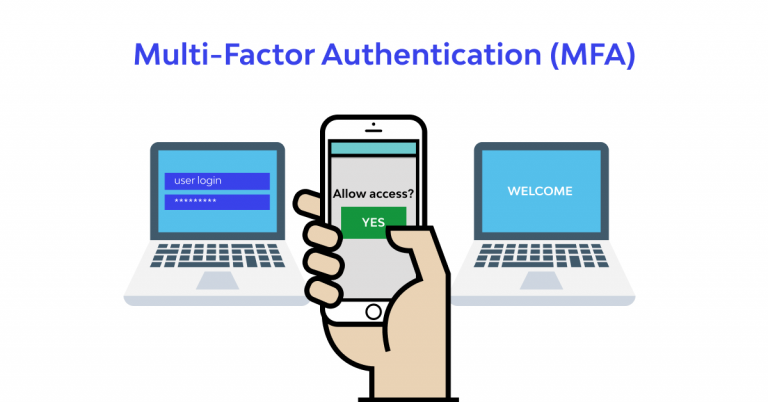
In an increasingly interconnected world, securing our digital identities has become a paramount concern. Multi-Factor Authentication (MFA) emerges as a potent solution, offering a robust defense against unauthorized access to our online accounts and sensitive information. At its core, MFA is a security measure that requires users to present multiple forms of verification before granting access. This goes beyond the traditional username-and-password approach, adding an extra layer of security that can significantly reduce the risk of identity theft and cyberattacks.
One of the key aspects of demystifying MFA is understanding the fundamental concept behind it. Unlike traditional password-based security, which relies solely on something you know (your password), MFA introduces the concept of something you have and something you are as additional authentication factors. By requiring users to provide multiple forms of proof, such as a password, a fingerprint, or a one-time code sent to a mobile device, MFA significantly enhances security. This blog post will delve into the inner workings of MFA, helping you grasp the core principles behind this powerful security tool and why it’s a game-changer in the realm of online security.
In an age where data breaches and identity theft incidents are on the rise, understanding MFA is crucial for anyone who values their digital identity. MFA not only mitigates the risks associated with compromised passwords but also acts as a formidable deterrent against unauthorized access, providing peace of mind in an ever-evolving digital landscape. In the following sections, we will explore the components of a strong MFA strategy and guide you on how to implement this vital security measure into your digital life.
The Components of a Strong MFA Strategy
Multi-Factor Authentication (MFA) operates on the principle of combining multiple verification factors to enhance security. To create a robust MFA strategy, it’s essential to understand the various components or factors involved. These factors can be broadly categorized into three main types:
- Something You Know: This factor represents knowledge-based authentication, typically in the form of a password or PIN. It’s the foundation of most online security systems, requiring users to provide a secret piece of information to gain access.
- Something You Have: This factor involves a physical item that the user possesses, such as a smartphone, a security token, or a smart card. To complete the authentication process, the user must use this physical item to confirm their identity.
- Something You Are: This factor relates to biometrics, such as fingerprints, facial recognition, or retinal scans. These unique physical attributes are difficult to replicate and serve as a strong form of authentication.
A robust MFA strategy combines factors from at least two of these categories to create a multi-layered defense against unauthorized access. By understanding the components of MFA, you can tailor your security measures to suit your specific needs, ensuring that your digital accounts and personal information remain well-protected. In the following sections, we will explore how to implement MFA effectively in your digital life, step by step.
Implementing MFA in Your Digital Life
Implementing Multi-Factor Authentication (MFA) in your online accounts and digital life is a practical step towards enhancing your security. While the concept of MFA might sound complex, setting it up is generally straightforward. In this section, we will guide you through the process, and you’ll discover that enabling MFA is often a matter of minutes, while the protection it offers is invaluable.
Start by identifying the accounts you want to secure with MFA. Popular online services, such as email providers, social media platforms, and financial institutions, often offer MFA options. Once you’ve chosen an account, navigate to the security or privacy settings. Look for MFA options, which may be labeled as “Two-Factor Authentication” or “2FA.” These settings will allow you to select the factors you want to use, such as a mobile app, text messages, or a physical security key.
The setup process typically involves linking the chosen authentication factor to your account, which might involve scanning a QR code, entering a unique code provided by the service, or responding to a text message. Once you’ve completed this process, your account will be protected by MFA, requiring you to provide the additional verification factor whenever you log in. This extra step ensures that even if someone gains access to your password, they won’t be able to breach your account without the second factor, significantly enhancing your security. Throughout the remainder of this blog post, we’ll offer practical tips and advice to make the MFA implementation process smooth and seamless.
The Benefits of MFA: Protecting Your Digital Identity
The implementation of Multi-Factor Authentication (MFA) goes beyond a mere security feature; it’s a potent shield defending your digital identity from a range of threats. MFA offers numerous benefits that extend well beyond the realm of protecting your online accounts:
- MFA acts as a formidable barrier against unauthorized entry. Even if an attacker manages to obtain your password, they would still need the additional verification factor, making unauthorized access exceedingly difficult.
- MFA plays a pivotal role in reducing the risk of identity theft. By requiring multiple authentication factors, it significantly hinders fraudsters’ attempts to impersonate you online.
- Cyberattacks, such as phishing and brute-force attacks, become far less effective when MFA is in place. With an extra layer of security, the likelihood of attackers successfully compromising your accounts is dramatically reduced.
- MFA can instill confidence in online financial transactions, ensuring that your financial information remains secure. It’s a critical defense against unauthorized transactions and fraud.
- Perhaps most importantly, MFA offers peace of mind. Knowing that your digital identity is safeguarded by an extra layer of protection allows you to explore the digital world without the constant worry of security breaches.