
 Multiple Faces Detected



 October 10th, 2025
That gut feeling won’t go away. You’ve been talking to someone online who seems perfect—maybe too perfect. Their photos are stunning, their messages are sweet, but something feels off. You’re starting to wonder: “Am I being catfished?”
You’re not being paranoid. You’re being smart.
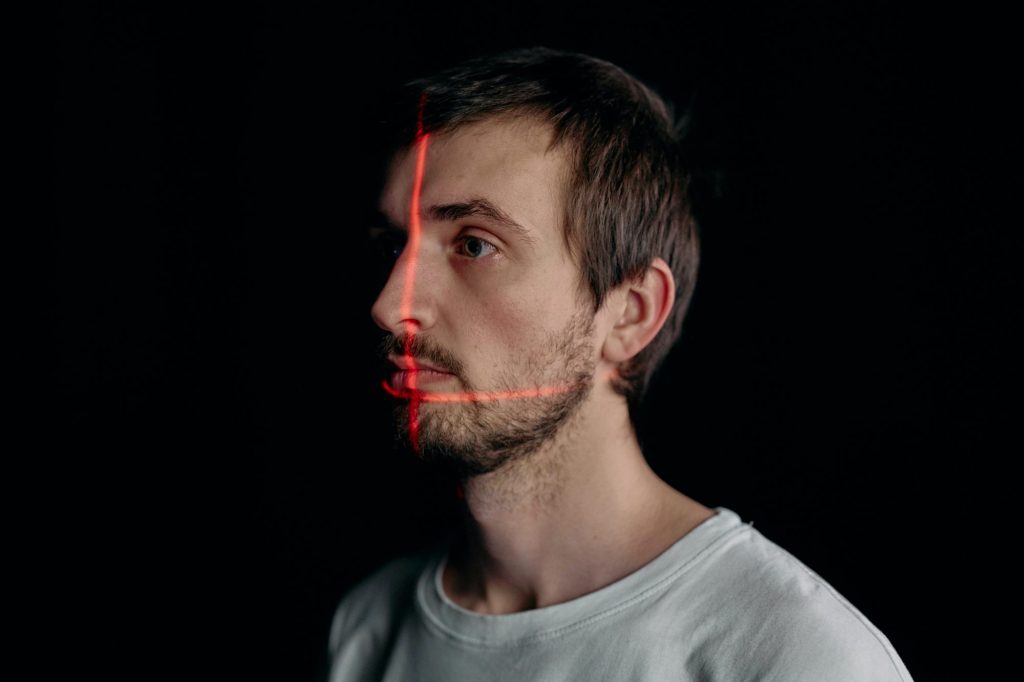
If you suspect someone is using fake photos to deceive you, reverse image search catfish detection is your most powerful weapon. It’s like having a private investigator at your fingertips, ready to reveal whether those gorgeous photos actually belong to the person you’re talking to—or if they’ve been stolen from someone else entirely.
The truth is just a few clicks away. Here’s exactly how to use catfish reverse image search techniques to protect yourself from romance scams.
Why Reverse Image Search is Your Best Tool Against Catfish
Catfish almost always use stolen photos. This single fact gives you incredible power to uncover deception through catfish image search methods.
Think about it: creating a fake identity requires fake photos. Most catfish don’t have the time, skills, or resources to create original content. Instead, they steal attractive photos from real people—models, influencers, or just good-looking strangers—and use them to build convincing fake profiles.
This laziness becomes their biggest weakness when you know how to find a catfish with a picture.
When you perform a reverse image search catfish investigation on a suspicious photo, you’ll often discover it appears on multiple websites, dating profiles, or social media accounts with different names and stories. According to recent research on catfish detection, this method successfully exposes fake profiles in over 70% of cases.
The technology has become incredibly sophisticated. Modern scammer picture search tools can find matches even when photos have been cropped, filtered, or slightly altered. Unlike trying to verify someone’s job, location, or personal details—which can be complex and time-consuming—checking photos gives you concrete, visual proof within minutes.
Time is crucial when dealing with potential catfish. The longer you wait to verify their identity, the more emotionally invested you become. Romance scammers deliberately build emotional connections before revealing their true intentions. Reverse image search catfish detection stops this manipulation in its tracks.

The Easiest Way: A Specialized Catfish Search
Don’t worry about the guesswork. You don’t need to be a tech expert to catch a catfish. Use a tool built specifically for catching catfish. These tools are designed to be user-friendly, making it easy for anyone to protect themselves from romance scams.
While general reverse image search engines work, specialized catfish reverse image search tools are far more effective. They’re designed with one purpose: exposing fake dating profiles and romance scammers.
Social Catfish’s reverse image search uses proprietary technology that scans millions of social profiles across major networks like Facebook, Twitter, Instagram, and dating platforms. As noted by AI Tools Explorer, “Social Catfish uses advanced reverse image search and face lookup technology to help confirm if a person is real by searching across multiple platforms simultaneously. For anyone wondering is Social Catfish trustworthy, this process shows how the platform relies on verified data sources to deliver accurate results.
Here’s how to use a specialized catfish search:
Step 1: Save the suspicious photos to your device. Right-click and save, or take screenshots if needed.
Step 2: Visit a catfish image search tool designed for romance scam detection.
Step 3: Upload the image or drag and drop it into the search box.
Step 4: Wait for results. Professional tools typically return results within 30-60 seconds.
Step 5: Review the findings carefully. Look for matches on other profiles, websites, or platforms.
The advantage of specialized tools is their focus on romance scams. They don’t just find similar images—they find stolen images used in dating deception. Many maintain databases of known scammer photos and can alert you if the person you’re talking to is using pictures associated with previous fraudulent activities.
These tools often provide additional verification features. You can search by phone number, email, or username to build a complete picture of someone’s online presence. This comprehensive approach reveals the truth faster than single-method searches.

How to Manually Check for a Catfish on a Computer
Don’t have access to specialized tools? Google Images can still catch basic catfish attempts.
While not as thorough as dedicated catfish reverse image search services, Google’s reverse image search is free and accessible. It’s particularly effective for catching amateurs who steal obvious photos from social media accounts.
Desktop Instructions for Google Images:
Step 1: Open your web browser and go to images.google.com.
Step 2: Click the camera icon in the search bar. You’ll see options for “Paste image URL” and “Upload an image.”
Step 3: If you have the photo saved, click “Upload an image” and select the file. If the photo is online, right-click it, select “Copy image address,” then paste that URL.
Step 4: Hit search and examine results carefully for scammer picture search matches.
Step 5: Look for red flags:
- The same photo on multiple dating sites with different names
- Photos appearing on modeling or stock photo websites
- Images linked to social media profiles that don’t match their story
Advanced Google Search Tips:
Use quotation marks around specific details. If they claim to be “Sarah from Texas,” search “Sarah Texas” along with the image to verify their story matches what you find online.
Check the “Tools” option under the search bar to filter results by time. If their “recent” photo has been online for years under someone else’s name, you’ve caught them lying.
Don’t stop at Google. Also try:
- Bing Visual Search
- Yandex Images (particularly good for facial recognition)
- TinEye (excellent for tracking image history)
Each face search engine has different databases. A photo that doesn’t show up on a Google image search might be immediately flagged elsewhere when you’re learning how to find a catfish with a picture.

How to Manually Check for a Catfish on Mobile (iPhone & Android)
Catching catfish on your phone is easier than you think.
Mobile reverse image search catfish detection has become incredibly user-friendly. You can verify someone’s photos while actively chatting with them a powerful real-time verification tool.
iPhone Instructions:
Option 1 – Using Google Images in Safari:
- Save their photo to your camera roll
- Go to images.google.com in Safari
- Tap the camera icon and select “Upload an image”
- Choose the photo from your camera roll
- Review results for suspicious catfish image search matches
Option 2 – Using Google Lens:
- Download the Google Lens app (free)
- Open the app and tap the photo icon
- Select the suspicious photo from your gallery
- Google Lens automatically searches for matches
- Tap “Find image source” for relevant results
Android Instructions:
Option 1 – Google Photos Integration:
- Save the photo to your device
- Open Google Photos and find the image
- Tap the Google Lens icon
- Select “Search” to find similar images online
Option 2 – Chrome Browser:
- Go to images.google.com in Chrome
- Tap the camera icon in the search bar
- Choose “Upload an image” and select from gallery
- Wait for scammer picture search results
Mobile-Specific Tips:
Take screenshots of profile photos rather than trying to save them directly. This often works better with mobile catfish reverse image search tools.
Use your phone’s “Share” feature to send images directly to Google Lens or other search tools.
Search multiple photos. If the first search doesn’t reveal anything suspicious, check several pictures from their profile separately using different catfish image search methods.
Interpreting the Clues: Is it a Catfish?
Finding matches doesn’t automatically mean catfish. Knowing what to look for makes all the difference.
Reverse image search catfish results can be confusing. Photos appear on multiple sites for legitimate reasons. The key is distinguishing between normal photo sharing and identity theft used in online dating scams.

Red Flag: The Photo Appears on Stock Photo Sites
This is the biggest red flag of all.
If their personal photos show up on stock photography websites like Shutterstock, Getty Images, or Adobe Stock, you’re definitely dealing with a catfish. No legitimate person uses professional stock photos as their dating profile pictures.
Look for:
- Watermarks from stock photo companies
- Professional studio lighting and poses
- The same photo with different model names
- Multiple versions (different crops, filters, etc.)
Stock photo catfish often run sophisticated romance scam operations. They invest time finding high-quality, professional images to seem more credible.
Red Flag: The Photo Belongs to Another Person’s Profile
When their photo shows up on someone else’s social media, you’ve caught them stealing.
This is common but sometimes tricky to interpret when conducting a scammer picture search. Here’s what to investigate:
Clear catfish signs:
- Photos appear on profiles with completely different names, ages, or locations
- Multiple dating profiles using the same pictures with different stories
- Social media profiles that don’t match their claimed background
Investigate further if:
- Profiles have similar names (could be different spellings)
- Locations and details roughly match their story
- Profiles appear abandoned or very old
Pro tip: Check the dates. If you find their “recent” photo on a 2018 social media profile, but they claim it was taken last month, you’ve found proof of deception through your catfish reverse image search.
Cross-reference the profiles. Do the hobbies, interests, and lifestyle match what they’ve told you? Real people have consistent online presences.
Red Flag: The Photo is of a Celebrity or Model
Sometimes, catfish get bold and steal from famous people.
This might seem obvious, but many people fall for fake profiles using celebrity photos when they don’t know how to find a catfish with a picture. Catfish often choose:
- International models or influencers their victims won’t recognize
- Local celebrities from other countries
- Fitness models or Instagram influencers with smaller followings
How to verify:
- Search the person’s name with terms like “model,” “influencer,” or “fitness”
- Look for verified social media accounts
- Check if they have professional representation
If their photos belong to someone with thousands of followers or professional modeling shots, you’re not talking to that person.
Advanced catfish sometimes target private individuals who, despite not being famous, are exceptionally attractive. These are harder to catch, but reverse image search techniques for catfish will still find the original social media profiles.
What to Do Next If You Find a Catfish
You found proof through your catfish image search. Now what?
Discovering you’ve been catfished triggers intense emotions anger, embarrassment, and betrayal. These feelings are normal, but your immediate priority must be protecting yourself from further harm.
End contact immediately. Don’t confront them or ask for explanations. Don’t give them a chance to manipulate you with sob stories. Block them on every platform where you’ve communicated.
Document everything before blocking them:
- Screenshots of conversations
- Their profile photos
- Reverse image search catfish results showing stolen photos
- Any personal information they shared
- Evidence of money requests
Report their profiles. Alert the dating app or social media platform where you met them. Most platforms take catfishing reports seriously and will investigate fake profiles.
If money is involved, act fast. Contact your bank immediately if you have sent funds. File reports with local police, the FBI’s Internet Crime Complaint Center, and the Federal Trade Commission.
Don’t blame yourself. Catfish are skilled manipulators who prey on people seeking genuine connections. Being targeted doesn’t reflect poorly on your judgment.
Consider the emotional impact. Being catfished can cause real psychological trauma. Don’t hesitate to talk to friends, family, or a counselor about your experience.
For guidance, check our detailed guide on what to do if you’re being catfished.
FAQ: Catfish Image Search
What is the best reverse image search for catfish?
Specialized catfish reverse image search tools outperform general image search engines. Social Catfish and similar services are designed specifically to catch romance scammers and fake dating profiles. They access databases that general search engines miss and use facial recognition technology optimized for detecting stolen photos. You can even try a free Social Catfish search to see if any images or accounts are connected before committing to a deeper investigation.
For free options, combine Google Images, Yandex, and TinEye searches. Each engine has different strengths and databases for scammer picture search investigations.
What if the reverse image search finds nothing?
No results doesn’t mean they’re legitimate. It could mean:
- They’re using recent photos that haven’t been indexed yet
- They’re stealing from private social media accounts with limited visibility
- They’re using photos from obscure sources
- The images have been significantly altered
Try searching multiple photos from their profile using different catfish image search methods. Catfish rarely steal just one image. Also, consider that some catfish do use their own pictures but lie about everything else—their name, location, job, or relationship status.
Red flags beyond stolen photos include:
- Refusing video calls consistently
- Avoiding phone conversations
- Stories that don’t add up over time
- Requests for money or personal information
- Reluctance to meet in person
Trust your instincts. If someone seems too good to be true, they probably are. Reverse image search catfish detection is your first line of defense against romance scammers, but it’s not your only tool. You can also turn to scamfish, our dedicated blog series that exposes real-life scams and teaches you how to spot the warning signs.
The internet offers incredible opportunities to connect with genuine people. But staying safe requires vigilance. When photos don’t pass the catfish reverse image search test, you’ve likely saved yourself from emotional manipulation, financial loss, or worse.
Remember: legitimate people have nothing to hide. If someone gets angry when you want to verify their identity using catfish image search techniques, that’s a red flag itself. Real people understand the need for caution in online relationships.
Stay smart. Stay safe. And always verify before you trust.