
 Multiple Faces Detected



 November 3rd, 2022
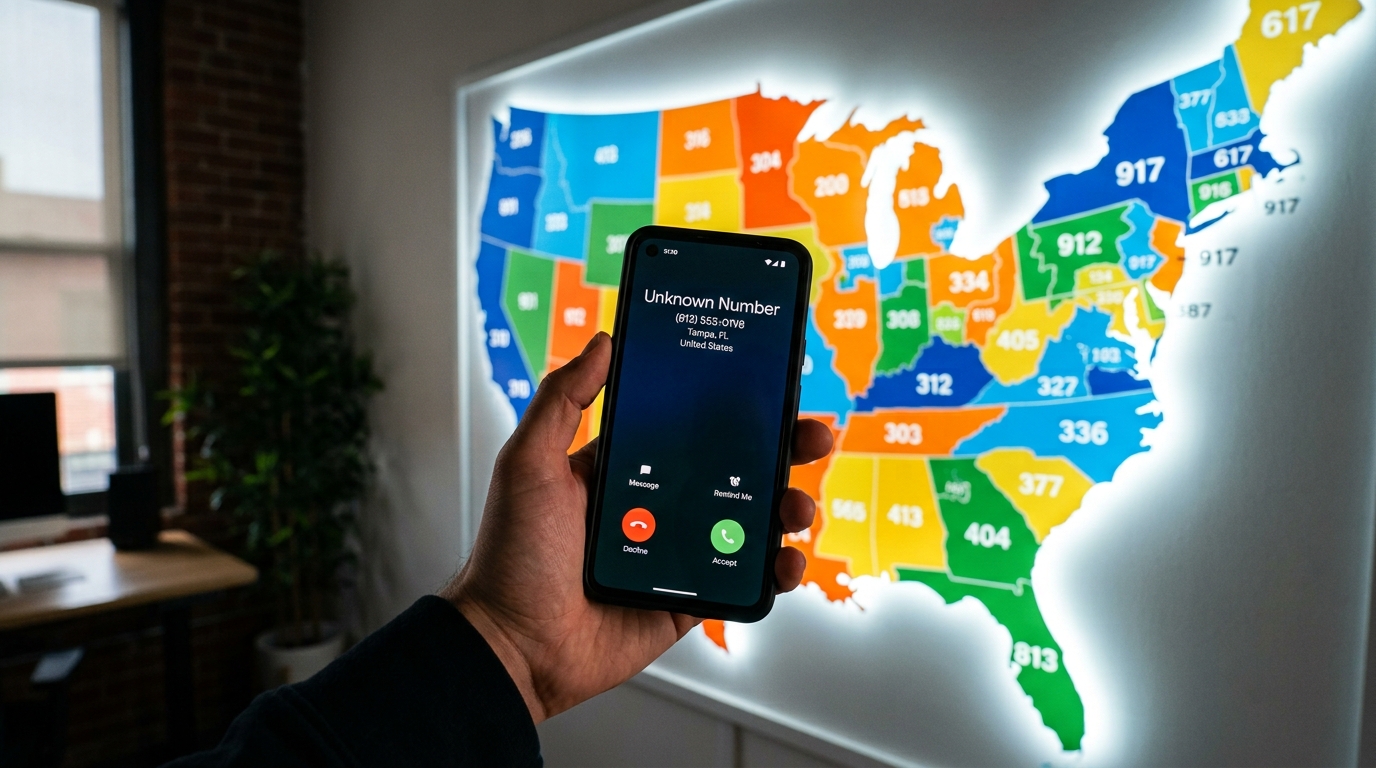
Have you ever wondered if the person texting you is really who they say they are? After all, you can’t always know who is on the other end of the telephone. It’s easy to hide behind texting and pretend to be someone else, which is why so many scam artists contact potential victims via SMS.
There are a lot of different tactics that scammers may use. For instance, they may trick you into believing they are from a government agency or bank. They may also try to catch your interest with a fake romance or offer a special deal on expensive items. No matter their approach, engaging with someone running a con can put you at risk. That’s why it’s good to be aware of the most common text scams, so you can know when it’s better just to block a number. Below are a few popular schemes that people may use to defraud you.
The Fastest Way To Tell If Someone Is a Scammer
Without the right tools, a text that claims that something new and exciting might be on the horizon could be too much to pass on. But with socialcatfish.com, you can find out the truth in seconds. Simply enter the phone number of the person into the search bar below to find out the truth today!

- Posing as an Official
Sometimes scam artists will text you out of the blue and claim that they work for the IRS
and that you need to pay back taxes. Alternatively, they may assert that they are from your bank or credit card company and that you owe a payment. In general, if you get a random message requesting money, you should never trust it, even if it looks official. If you do owe money, you should be able to verify it by checking your bank account or calling the number listed on the IRS website (instead of the number that is contacting you). It’s vital that you always confirm that you actually owe money before you pay anything.
- Spoofing a Real Number
Spoofing is a common tactic that scammers employ to make it seem like they
are texting you from a legitimate number. With this technique, they may give you a phone call and trick your caller ID into displaying a number different from the one they are actually using. Alternatively, they may text you from a very similar number that resembles the real one. Therefore, you may believe an organization’s real number is reaching you, but you won’t actually be communicating with them. That’s why it’s essential to independently verify who you are speaking with by calling the number on their website to continue the conversation.
- Pretending to be a Romantic Interest
This can usually don’t start with a text but often continues with one. If you use dating
apps or sites, you should always be wary of catfishes who may use fake pictures and information to convince you that they are someone else. Once you start texting them directly, these people will play on emotions and build a relationship with you by saying all of the right things. From there, it’s typical for them to ask you for money so that they can visit you or tell you a sob story about medical bills or a family emergency. You should always be suspicious if you’ve never met someone and they request that you send them money.
- Phishing for Information
Sometimes scammers don’t directly ask you for money. Instead, they might try to get
personal information out of you. This is also very dangerous because criminals can use specific knowledge to steal your identity or access your bank account. Therefore, don’t click the links you are sent in random text messages. Often, these will be forms designed to look legitimate but will be used to collect as much information as possible. If you weren’t expected to be contacted by a business and can’t verify if they are legitimate, you should always just block the number and move on.
How To Check if You’re The Target of a Scam
The best way of telling whether or not you are the target of a text now subscriber scam is to run a reverse phone number search on the number that the text came from. When you run a reverse phone search with socialcatfish.com, you can see who owns the phone number that the text is coming from, this can help you tell whether or not they are trustworthy.