
 Multiple Faces Detected


 November 2nd, 2022
Rideshares have taken the transportation world by storm. The simplicity, efficiency, and economy of calling up a car, having it meet you literally anywhere, and getting from A to B with minimal fuss, have made apps like Uber and Lyft a new and exciting part of everyday life for many people. And with discount codes, it just keeps getting better.
There is one problem with this wonderful concept. To book a ride share you must use the smartphone app and most of us keep the largest and most accessed parts of our existence on one app or another. This is the perfect opportunity for scammers with hacking prowess. And it’s even easier to fall for than the classic Nigerian scam we are all aware of because the codes seem legitimate.
Scammers are evolving and developing new and creative approaches to cons that have cost people billions. Combatting these scams is the only avenue to protect yourself and those you care about. After all, your social media is also a commonly accessed app, and accessing it is just as easy as opening your banking and credit apps.
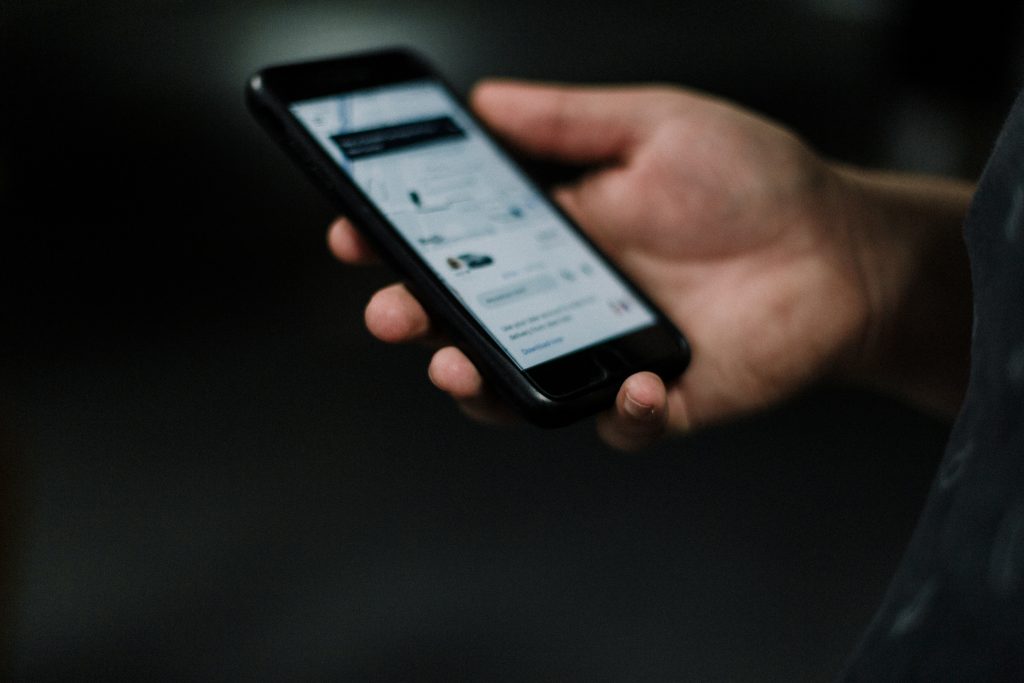
What is an Uber Text Code Scam
When using an Uber, contact with the driver is initially made via the app. Your payment is taken before the ride so the drivers know you will pay the fare. At the end of the ride, you are asked for a driver rating and given the option to tip. And you get an emailed receipt of your transaction.
How many times in just those four steps was your information accessed by Uber? If you said “four,” you are correct. From the first moment you touch the app, you are life. Pay is with a credit card or bank account. The email receipt feeds into the server where all other emails are stored. These are all vulnerabilities that a scammer can exploit.
It all starts with an SMS for an identity check. These only happen in two instances: A new device login or a new account login. In either case, as most of us have witnessed with Google, Amazon, and a few other apps, a generated code is sent to you through SMS. It is designed for security and identity purposes. These are the only two times it happens. This is called two-factor identification.
Uber text code scams typically occur when neither your device nor your account has been altered. And that is how you can catch them in the act. These fake codes are a trojan horse, digging into your phone’s code and giving them blanket access to everything. Think of it like a mirroring program. They can click your apps, and if you leave your usernames and passwords easily accessible, they own you.
How To Fight This Scam
By using your wits and a few simple steps, you can protect yourself from these phishing scams and continue to enjoy rideshare apps without fear or embarrassment:
- Delete Uber Code Messages
If you suspect for even a moment that the code you have received is fake, get rid of it. As we mentioned, there are only two reasons to receive these SMS codes. You know your devices and the account you are using. If neither has changed, even if the message is legit, trash it anyway. Contact your rideshare if you need further guidance with a code.
2. Never Use the “Stop” Feature
Sometimes we subscribe to email chains, but more often than not, we don’t and get groups of emails from sites we may have visited anyway. It is annoying and easy to fix, right? All we have to reply with is “stop.” DON’T!! This is also a scam. Replying “stop” lets the scammers know they have the right person they intended to target.
3. Put Them on Block
Blocking calls is such a wonderful tool and a great option for stopping scams. The codes you keep seeing will often come from the same number over and over. Blocking that number will save you a few steps in the process, stopping the code before it ever reaches your SMS. There is a caveat. It does not work with private numbers. Contact your carrier for further assistance blocking private numbers.
4. Contact the Rideshare
If you are getting scammed, the rideshare company needs to know so they can protect their customers. Uber has a hotline set up for this and they are ruthless when hunting down scammers and prosecuting them for their actions.
Final Thoughts
We love having options in life that make things simpler. It relieves stress, increases happiness, and allows us to thrive as human beings. We shouldn’t have to live in constant fear that a scammer will ruin our existence with something as important and versatile as our smartphones.
If you want to investigate the scammer on your own, Social Catfish is here to help. With a simple bit of info, they can uncover the person or persons trying to access your information. They have resources that stop many of these scams before they grow into a monstrous problem.
Be vigilant, be pragmatic, use common sense, and you will win the day against these malevolent frauds.