
 Multiple Faces Detected


 March 5th, 2024
Tax season is a stressful time for many adults, as they scramble to gather all of their financial documents and file their taxes before the deadline. Unfortunately, this time of year also brings out scammers who prey on unsuspecting individuals, using a variety of tactics to steal their money and personal information. One common scam that has been on the rise in recent years is the tax lien scam. In this blog post, we will discuss what tax lien scams are, how they work, and most importantly, how you can protect yourself from becoming a victim.
What is a Tax Lien Scam?
A tax lien is a legal claim placed on an individual’s property by the government as a result of unpaid taxes. This can happen if a person fails to pay their income taxes, property taxes, or other types of taxes. Tax liens can have serious consequences, such as damaging a person’s credit score and potentially leading to the seizure of their property.
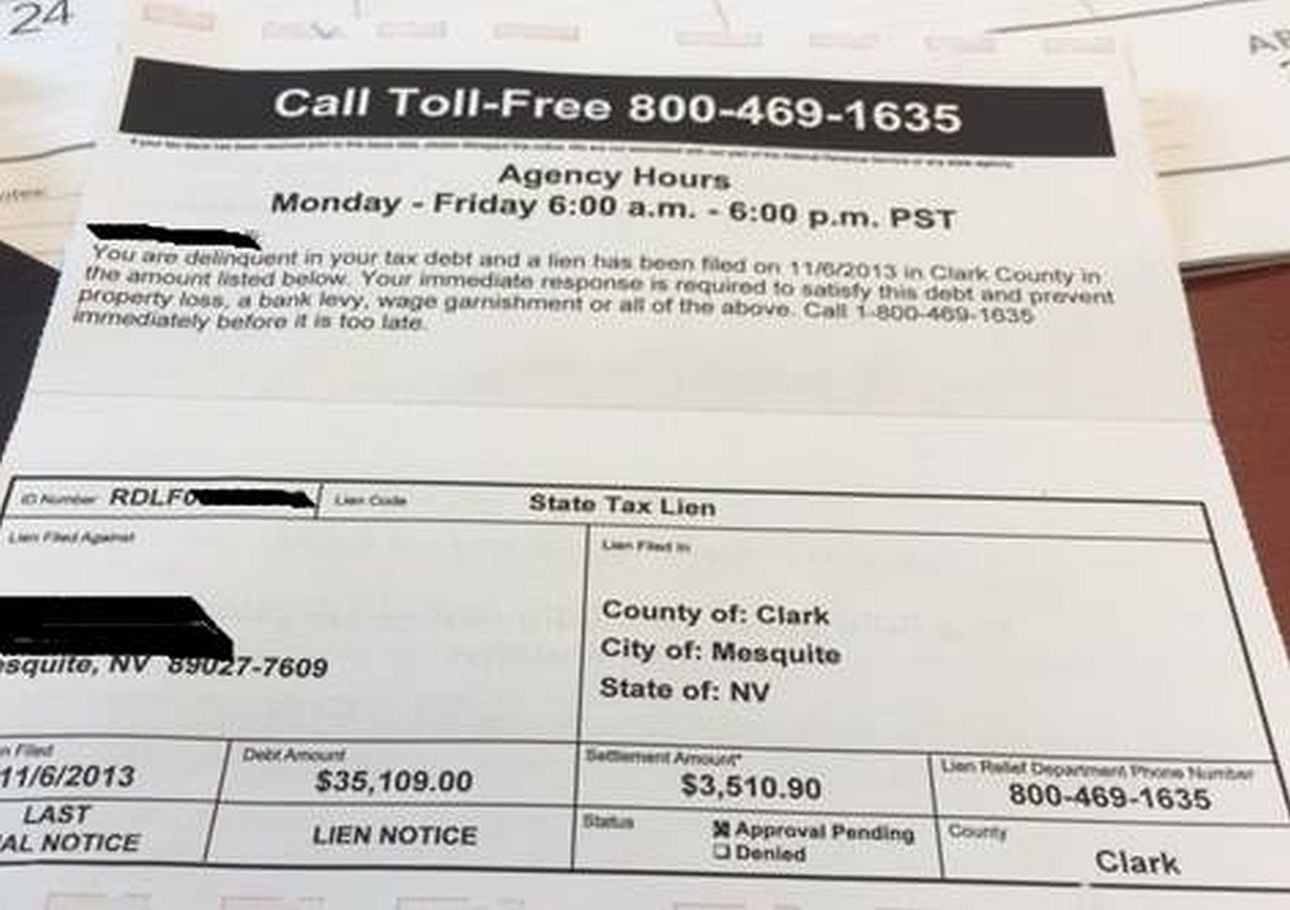
In a tax lien scam, scammers take advantage of this legal process by posing as government officials and contacting individuals to inform them that they owe back taxes. They may use official-sounding names and logos to make their communication seem legitimate. They will then threaten the individual with consequences such as arrest, deportation, or the loss of their home or assets if they do not pay the alleged owed taxes immediately.
The scammers will typically request payment through methods that are difficult to trace, such as wire transfers or prepaid debit cards. They may also ask for personal information, such as social security numbers or bank account details, claiming that this information is necessary to process the payment. However, this is just a ploy to steal the victim’s identity and financial information.
How Do Tax Lien Scams Work?
There are several ways that scammers may try to deceive their victims in a tax lien scam. One common tactic is to send fake notices through the mail or email, claiming to be from the Internal Revenue Service (IRS) or another government agency. These notices may look official and contain threatening language, causing the recipient to panic and comply with the scammer’s demands.
Another method scammers use is cold-calling. They will pose as IRS agents and inform the victim that they owe back taxes. They may even use caller ID spoofing to make it seem like the call is coming from a legitimate government number. The scammers will demand immediate payment and may become aggressive or threatening if the victim refuses to comply.
In some cases, scammers may even impersonate legitimate tax preparation companies. They will offer to help the victim settle their tax debt, but instead, they will steal the victim’s personal and financial information for their own gain. It is important to thoroughly research any tax preparation company before providing them with sensitive information or paying for their services.
How to Protect Yourself from Tax Lien Scams
It can be intimidating to receive a notice or call from someone claiming to be from the IRS and demanding immediate payment. However, there are steps you can take to protect yourself from falling victim to a tax lien scam.
1. Know How the IRS Communicates
The IRS will never contact you through email, text message, or social media to request personal or financial information. They will always send official correspondence through the mail, and even then, they will never demand immediate payment or threaten consequences like arrest or deportation. If you receive any communication claiming to be from the IRS through any other means, it is likely a scam.
2. Verify the Legitimacy of the Sender
If you receive a notice or call claiming to be from the IRS, do not provide any information or make any payments until you have verified the sender’s legitimacy. You can do this by checking the official IRS website or calling their toll-free number at 1-800-829-1040. If it is a legitimate notice, the IRS will be able to provide you with information about your tax account and any outstanding payments you may owe.
3. Keep Your Personal Information Safe
Be cautious about providing your personal information, such as your social security number or bank account details, to anyone claiming to be from the IRS. The IRS will never ask for this information over the phone or through email. If you are unsure about the legitimacy of a request for personal information, do not provide it.
4. Do Not Make Payments Through Untraceable Methods
The IRS will never demand immediate payment through wire transfer, prepaid debit cards, or gift cards. These methods are difficult to trace, making it easy for scammers to steal the victim’s money without getting caught. If you are asked to make a payment through one of these methods, it is likely a scam.
5. Report Suspicious Activity
If you receive a suspicious notice or call claiming to be from the IRS, report it to the IRS and the Federal Trade Commission (FTC) immediately. This will help to prevent others from falling victim to the same scam.
Conclusion
Tax lien scams are a serious threat to individuals during tax season. Scammers use fear and intimidation tactics to steal money and personal information from their victims. By understanding how these scams work and taking precautions to protect yourself, you can avoid becoming a victim. Remember, the IRS will never contact you through email, text message, or social media to request personal or financial information. If you receive any communication from the IRS through these means, it is likely a scam. Stay vigilant and report any suspicious activity to the proper authorities to help keep yourself and others safe from tax lien scams.
Thank you for reading our blog post on tax lien scams. We hope this information has been helpful in educating you on how to protect yourself from these fraudulent schemes. Stay safe and have a stress-free tax season!