Multiple Faces Detected


 January 27th, 2025
Swindle Scenarios: Spotting Common Online Scams and Staying Safe
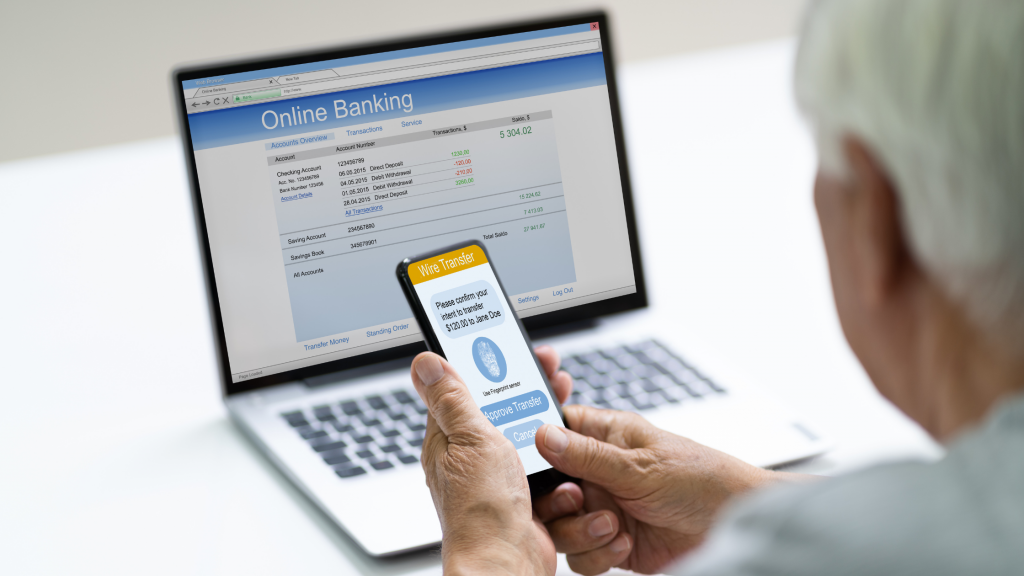
Swindle scenarios have undergone significant transformations in the current world and are experienced more in consumers’ everyday lives. After the COVID-19 pandemic, technological advancements increased, enabling consumers to access services online without visiting a service provider physically.
As a result, payment methods became more virtual, and people rapidly adopted them. While these practices enhance the user experience, attackers exploit them to commit fraud and generate money.
They are known to take advantage of existing strategies to manipulate potential victims. In this article, you will learn about common swindle scenarios that scammers like to use, how to detect them, preventive methods that can help you avoid being a victim, and finally, features that make the detection technologies more effective. These technologies identify a fraudster by understanding how they think.
Key Takeaways
- Swindlers use emotional manipulation to defraud you. Usually, they start with fostering trust. Be wary of the telltale signs to avoid being a victim.
- If you are already a target or victim, apply technologies that monitor your accounts, cover your identity, and verify the identities of new people you interact with.
- Technologies like Social Catfish have features that enable it to effectively detect fake profiles, websites, and contacts, preventing swindle scenarios.
Swindle scenarios
As a result of swindling, 2023 saw a loss of more than $12.5 billion of Americans’ money. As a result, the FBI’s Internet Crime Complaint Center (IC3) integrated common scenarios that victims reported to increase awareness. If you have experienced any of the following scenarios, you may have been targeted by a swindler:
- You have been convinced to invest in gold futures or cryptocurrency.
- Someone claiming to have been from a legitimate organization asked for money or requested you to liquidate your accounts to secure them, prevent you from facing the law, or help you get rid of explicit content or viruses from your devices to ensure your online reputation.
- Someone immediately contacted you asking for money to provide medical attention to an ailing family member or friend.
- A stranger claimed to be interested in you and constantly asked for money or other valuable nonmonetary benefits like your personal information.
- Someone asked you to withdraw cash to buy precious stones.
- Someone asked to meet you in your residence or a public space to pick up or deliver valuable items.
- Someone asked you to use cash to buy gift cards or deposit in a crypto wallet or an ATM.
How to Detect Swindle Scenarios
It can be difficult to identify swindle scenarios, especially if you are experiencing it for the first time. The perpetrators behind the scam are smart individuals who have been in the industry for a long time. They know how to make victims act irrationally. Luckily, the following key indicators will help you make informed decisions when faced with the issue:
a). High-pressure tactics
Swindle scenarios are known to emphasize the need to act immediately. They offer limited time and threaten that you will face adverse consequences if you do not adhere to their demands. However, according to the FTC, legitimate companies never threaten customers, ask them to send money, or push them to make unaccounted purchases or transactions.
b). Emotional manipulation
Fraudsters know that emotions play a key role in decision-making. They use it to convince you to send them money or provide other benefits. They use sympathetic stories to trigger fear through threats, excitement through false promises and opportunities, or sadness.
c). Too-good-to-be-true deals
Another telltale sign that you are in a swindle scenario is when you are promised large returns with little effort, guaranteeing no risks involved. Always remember that no good investment lacks risks. The better the deal, the higher the risk.
d). Over-emphasis on your personal information
It is likely a swindle scenario if someone asks you for sensitive data without a clear reason. Be wary of giving out your personal information like credit and bank account numbers or credentials like usernames and passwords.
e). Fishy modes of payment
Scammers like to hide their tracks. It could be a scam when you find yourself in a situation that requires using unusual payment methods while other options are available. These include gift cards, cryptocurrency, or wire transfers.
f). Lack of transparency and legitimacy
You could be entangled in a swindle scenario if you sense a lack of transparency in a deal. It is likely a scam if there are no clear details about the offered services, firm, or contact information.
Also, poorly presented websites indicate malicious intent. Legitimate organizations hire talented personnel to design websites. Therefore, suspicious names, grammatical errors, and lack of basic requirements like contacts and physical addresses indicate fraudulent activities.
Preventive Measures Against Swindle Scenarios
You can prevent being a victim of swindle scenarios by strengthening your defenses. Collectively, using different mechanisms creates a strong security system, preventing swindlers from taking over your accounts.
In addition, it integrates real-time vigilance with effective identity verification and fraud investigation. As a result, you can protect your identity, online accounts, and information simultaneously. They include:
I). Social Catfish
Identifying suspicious individuals or verifying their authenticity can be overwhelming when facing swindle scenarios. Social Catfish’s Search Specialist service offers personalized support to help you uncover the truth.
Whether you’re dealing with a potential scammer or want to confirm someone’s identity, our experts use advanced tools and techniques to provide accurate results.
This hands-on approach ensures you get reliable assistance tailored to your specific concerns, giving you the confidence to navigate online interactions safely.
II). Continuously monitoring your financial accounts
Real-time analysis of your bank and credit accounts helps to prevent being a victim of swindling scenarios. Some advancements offer this service. They analyze patterns and behaviors and immediately notify you of any malicious activities.
When anyone tries to log into your account or conduct transactions, the tool notifies you. This strategy also allows you to intervene swiftly and block any unusual activities before further damage occurs.
III). Implementing strong identity verification strategies
Implementing a robust identity verification is fundamental against any fraud. It is a mechanism of identity proofing that only allows authorized users to access their accounts.
Measures like multifactor authentication (MFA), biometrics, and document verification are among the strongest preventive measures against swindle scenarios.
Users must provide additional proof of identity before they can log into an account. As a result, scammers cannot successfully use your information to access accounts due to this barrier.
IV). Conducting fraud identification processes
Another way to avoid a swindling scenario is by using automated tools to identify if the person you are communicating with is a fraud. It involves using advanced technologies to analyze information and fish out suspicious patterns.
Available tools like reverse search engines help to reduce the time and resources required to identify and resolve a swindle incident. A tool like Social Catfish can help you to swiftly and effectively respond to potential threats.
First, it can help you determine the real identity of someone you are interacting with. You only need one or two pieces of information, such as a name, a contact, or an image, to get results.
In addition, the tool can also help you identify if your personal information has been compromised anywhere on the internet and delete it.
Advantages of Swindle Scenario Preventive Measures
Being a victim of swindle scenarios is devastating. Fortunately, detection software technologies are essential in identifying and stopping the damage that comes with the crime. When you use these technologies, you will benefit from:
a). Real-time detection
The good thing about these technologies is that they can detect fraud as it happens and send alerts immediately. They also ensure that prevention strategies are effected immediately to eliminate further damage.
b). AI and machine learning capabilities
With the advent of technology, different industries depend on its evolution to perfect their capabilities. Fraud detection is among the departments that depend on technological advancements for success.
They incorporate machine learning and AI capabilities to identify fraud patterns otherwise hidden from traditional methods.
Take, for example, Social Catfish’s reverse search capabilities. It can detect scam websites and fake identities.
It uses machine learning capabilities to trace an account’s digital footprint, grasping even the smallest details to generate information.
These technologies evolve with the emergence of new fraud tactics because they are continuously learning.
c). Comprehensive analysis of swindle scenarios
Another advantage of using preventive technology is the ability to analyze different types of fraud. They cover credit card fraud, account takeovers, and payment scams. These technologies also provide solutions to detect and prevent fraudulent crimes.
For instance, with Social Catfish, you can trace if your credit card has been compromised or the digital footprint of your online accounts, the sites visited, and even their communications to determine if someone is using them.
The Bottom Line
Swindle scenarios often exploit emotional triggers, making them difficult to identify.
While preventive technologies can protect your data and accounts, having expert guidance is equally essential.
Social Catfish’s Search Specialist service provides personalized assistance to help you detect red flags, verify identities, and avoid falling victim to scams.
With the right tools and expert insights, you can safeguard your personal information and confidently navigate the digital world.