Multiple Faces Detected


 September 24th, 2018
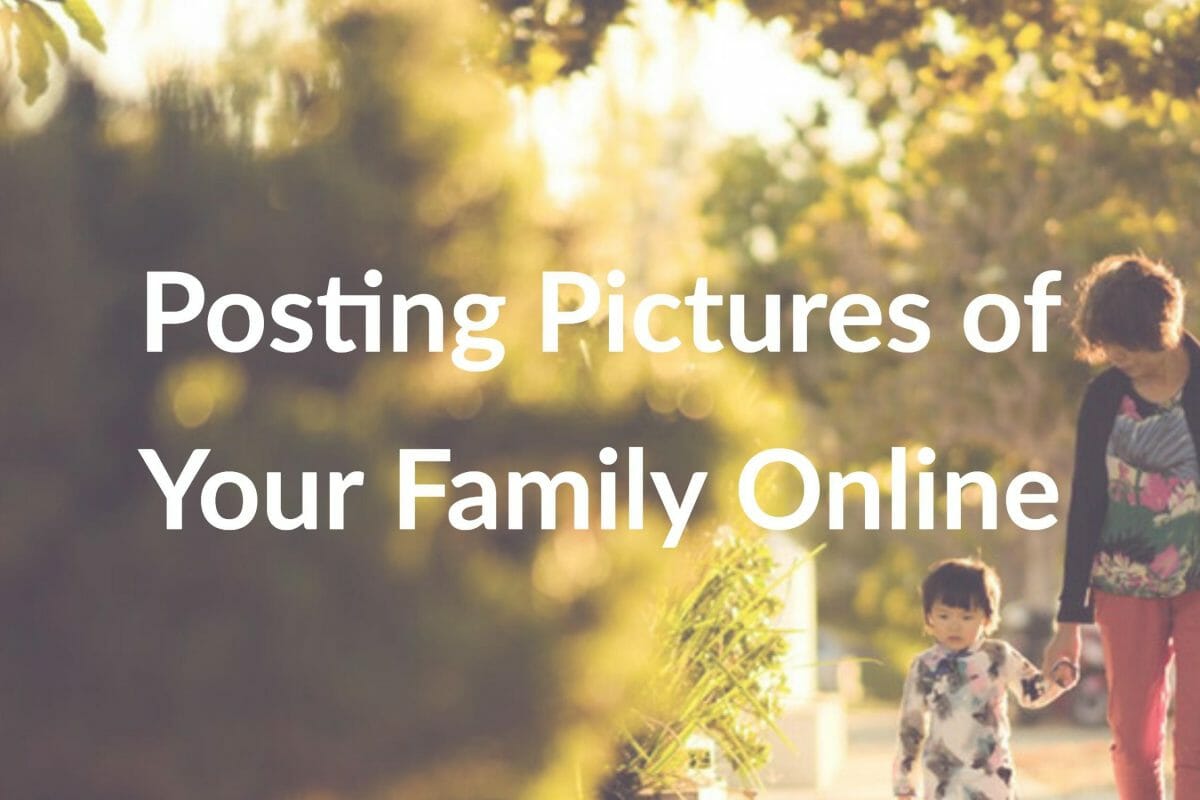
You’re proud of your family, and their safety means the world to you. You feed them healthy food, encourage positive communication and make good choices on their behalf.
Like other families you know, you share their photographs and accomplishments online with trusted family and friends. You post when they get an award at school, start a new school year, get their first driver’s license or job, or when you go on a tour of their future college!

What most parents don’t realize is that each of these actions places their family at risk, without knowing it. While reverse image searching is imperative to track any photographs of your family and children, https://socialcatfish.com/reverse-image-search/ other techniques can also help you be safe(r). Read along and learn how to stop jeopardizing your family’s privacy and security today!
Safety Risks and How to Make Safer Choices
You Post Photographs: Most parent post photographs of their children. It makes sense, as parenting is such a large part of one’s life experience and kids are only young once. However, a common mistake parents make is to focus on the cuteness of a photogenic image, without observing the other details they’re providing the world with. While you may only see an adorable picture of your child, predators and thieves will look at the background.
Are you showing a specific location where your child attends school? Did you accidentally show your vehicle in the background, with your license plate visible? Did you post a photograph of your home, which might be able to be matched through Zillow or Google images? Do you post collages on Instagram which predators could reverse image search and figure out where (landmark) photos were taken? Be careful of the pictures in the background. Check for yourself at https://socialcatfish.com/reverse-image-search/
You Don’t Use (Or Update) Privacy Controls: If you’re posting personal photographs, it is essential that you make all of your accounts ‘private’. You can do a username search and see if any old accounts pop up, which you’ve forgotten about:
While you may think your accounts are private, settings and terms of service can change. Social media sites like Instagram and Facebook are getting better at making privacy controls thorough and easy to understand. However, if you use any images as (past or current) profile pictures – more than likely – everyone can see them. Frequently make sure your settings haven’t changed and that your accounts are still private.
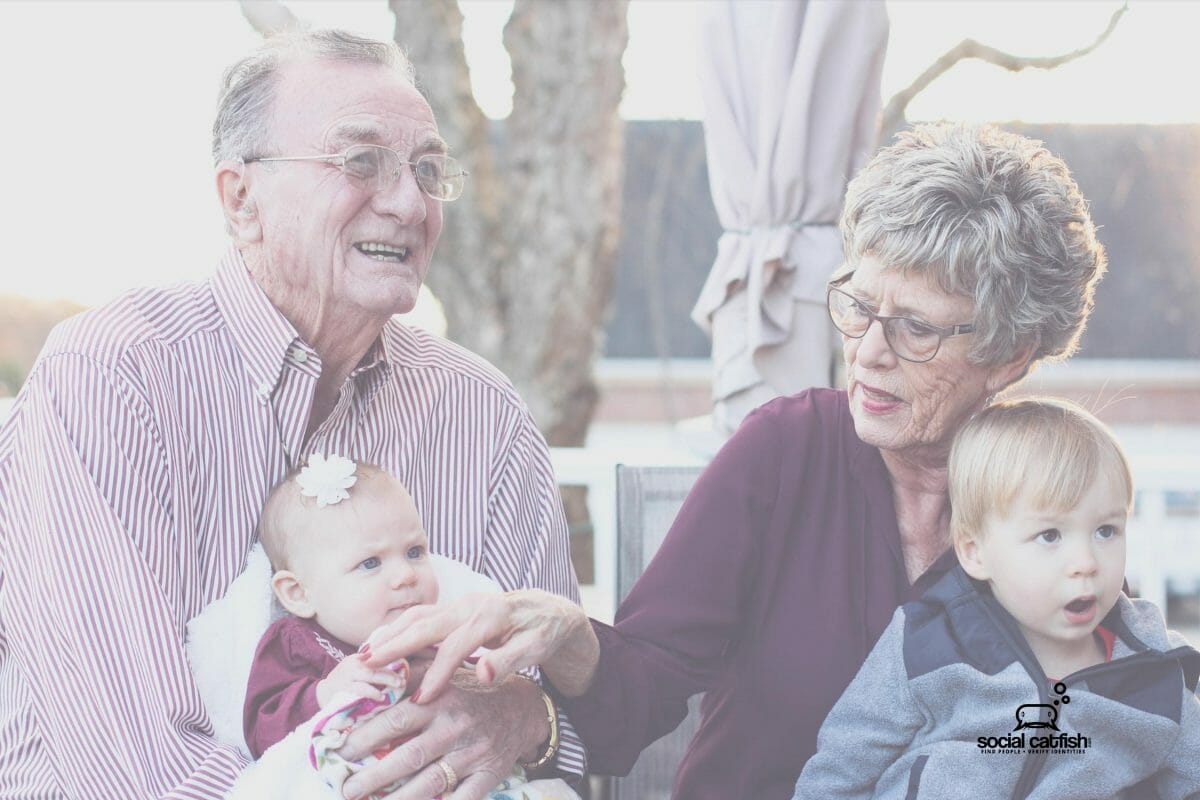
You Tag People: Even if your accounts are marked as private, privacy controls let photos be shared with the people you tag and their friends. This means that if you tag a friend in a photograph, everyone they know can see the image of your family or children and the details you wrote.
You Post ‘Firsts’: While ‘firsts’ (first day of school, new car, college trip, kindergarten graduation, etc.) are always exciting, this excitement can even cause careful parents to forget about safety temporarily.
During these occasions, parents might give away the name of their community, children’s school, place of work, personal location information, sporting events or leagues, or even their children’s full names, birthdates, etc. If you do post photographs of your children, do so with an abbreviation or nickname and never mention the places they go.
Accolades: You, your spouse, and your children being acknowledged for hard work, sportsmanship, and talent are exciting. Of course, you want to share the joy and good news! However, it is straightforward to see where and when acknowledgments of this type were given. A simple search on a major search engine can show predators where you are, were, or will be. This gives them significant clues about your habits and routines.

People You Don’t Expect: A majority of children who are abused are assaulted by people they know and trust. While you might harmlessly post photographs of your children at the beach, to a predator they are not seeing the image of bathing suit-clad children in the same way you are.
You might trust your online friends or followers, but what about their spouses, significant others, or other people who might have access to their account. Don’t assume that other people aren’t viewing your images through them.
Posting Location: If you do post personal details or photographs about your day or events, never post them while you’re actually at the location. Wait and post after you leave and be vague about the details or specifics.
Vacations: Family vacations are excellent for you but posting about them can be a danger to your home. It is not uncommon for thieves to keep track of social media accounts to rob a property. Imagine going on a trip with your family to Hawaii or even a local water park, and coming home to your house robbed!
You can protect your family better with these tips and by following your intuition. Do a through reverse engine search through an based algorithm site like Social Catfish and know what the world is learning about your family!