
 Multiple Faces Detected



 June 20th, 2019
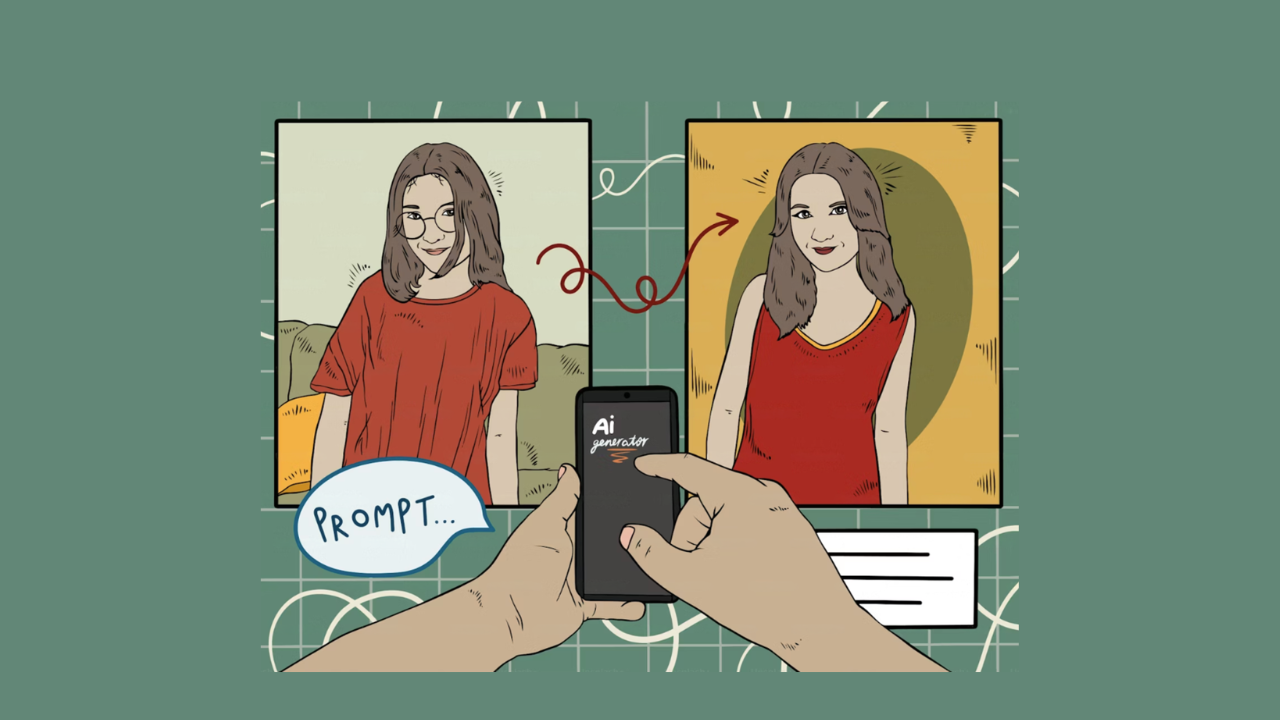
For many of us, our most prized possession is our children. Unknowingly, we expose them to one of the most significant risks around by allowing them to go on the internet with no supervision or restrictions. By doing this, we are putting our children in harm’s way.
When children go online, they have direct and immediate access to friends, family, and strangers. Predators have secure and anonymous access to children where they can conceal their identity and roam freely. This type of behavior has significantly replaced these individuals from lurking around schoolyards or other places that children frequent.
Hiding behind a computer screen is a much easier way to take advantage of our precious children without even being noticed. Research shows that 1 in 4 girls and 1 in 6 boys will be sexually victimized before adulthood! With the internet becoming more and more popular even with our youth, pedophiles have unprecedented access to our children.
Protect Your Kids from Online Predators
[aesop_image img=”https://wp.socialcatfish.cloud/scamfish/wp-content/uploads/2019/06/My-Post-18.jpg” panorama=”off” imgwidth=”100%” align=”center” lightbox=”off” captionsrc=”custom” captionposition=”left” revealfx=”off” overlay_revealfx=”off”]Here are some tips that will help minimize the risk of a child meeting an online predator and being exposed to potential danger:
Consider What Is Age Appropriate for Your Child to Have an Online Profile
Your decision should be made based on their age and maturity. Keep in mind Facebook, and Twitter don’t accept members under the age of 13.
Utilize Privacy Settings
One of the best ways to protect your child and their privacy is to use the website’s privacy settings to control access to their profile page. Social network sites often make changes to their privacy settings. Make it a point to check the settings frequently.
Monitor and Guide Online Behavior
A predator who is looking for a young person to exploit is more drawn to a sexually provocative profile. Educate your child on appropriate internet behavior.
A sexy profile and willingness to talk about sex with strangers is much more likely to attract sexual solicitation. This requires more parental action and supervision, so monitor your child’s profile site very carefully.
Monitor Messaging
Young people communicate by email, direct messaging, and texts. All of these types of communications are immediate and secret. They also have their abbreviations and lingo to keep parents in the dark. Keep yourself informed of the current jargon and check their phones frequently.
Some parents may feel it is intrusive to monitor their child’s online activity, but please remember it is better to be safe than sorry. Emails, Facebook posts, Tweets, texts, etc. are not like writing in a journal. They are an open window into your child’s life, carrying information to and from your home.
[aesop_image img=”https://wp.socialcatfish.cloud/scamfish/wp-content/uploads/2019/06/My-Post-19.jpg” panorama=”off” imgwidth=”100%” align=”center” lightbox=”off” captionsrc=”custom” captionposition=”left” revealfx=”off” overlay_revealfx=”off”]Take Care of Photographs
Computers and phone make it very easy to send and share photos. Parents should monitor the use of digital cameras, webcams, etc. which can be misused by young people.
Place Computer in Common Area
Make sure the computer is in a central room of the house with the screen facing out so you can see it. Develop a set of family rules for using the computer and post it next to the computer.
Keep Screen Names Anonymous
Make sure your child’s screen name does not include personal information such as real name, home address, or school name.
Remind Children That Computer Use Is Not Confidential
Educate your child that nothing they do on the computer is confidential. There are many ways to be exposed by predators, hackers, identity thieves, etc.
[aesop_image img=”https://wp.socialcatfish.cloud/scamfish/wp-content/uploads/2019/06/My-Post-20.jpg” panorama=”off” imgwidth=”100%” align=”center” lightbox=”off” captionsrc=”custom” captionposition=”left” revealfx=”off” overlay_revealfx=”off”]It is not likely that your child will fall prey to an online predator, but by educating your child and monitoring their activity, you are taking an extra step to keep them safe. Social Catfish is an excellent resource if you suspect anything unusual is going on with your child’s online activity. They are experts in the area of research and identifying possible fraudulent suspects interacting with your child and protect them from suspicious or potentially dangerous behavior.