
 Multiple Faces Detected


 January 14th, 2026
Romance scammers don’t use their real photos; they can’t. The success of their schemes depends on creating attractive, trustworthy personas that lure victims into emotional connections before asking for money.
Impersonation scams surged by 148% between April 2024 and March 2025, with romance scammers at the forefront of this explosion. They steal the same photos repeatedly, recycling them across hundreds of fake profiles. That handsome soldier, that beautiful woman in designer clothes, their images appear on dating sites worldwide under different names, ages, and locations.
The person messaging you passionate declarations of love might be using the same photo that scammed dozens of victims last month. Social Catfish’s reverse image search can expose these stolen photos in seconds, revealing where else they appear online and who they really belong to.
How to Find Out If Someone Is a Fake

Discovering if someone is using a fake identity requires verification across multiple methods.
Run a Reverse Image Search
Upload their photos to Social Catfish’s reverse image search. If images appear on multiple profiles under different names or belong to models, you’ve caught a fake.
Verify Their Contact Information
Use Social Catfish’s reverse phone lookup to check if their number matches their claimed location. Use reverse email search to reveal who owns the email and whether it’s connected to scam operations.
Check Their Username and Social Media
Social Catfish’s username search tracks them across platforms. Real people have years of social media history with tagged photos and friends. Fakes have new accounts with minimal activity.
Request Video Calls
Real people video chat without hesitation. Fakes make endless excuses about broken cameras or poor internet. If they won’t show their face after multiple requests, they’re hiding something.
Look for Inconsistencies
Real people’s stories stay consistent,age, location, job, family details don’t change. Fakes contradict themselves and provide vague answers to specific questions about their daily life.
How Do You Recognize Romance Scammer Photos?
Recognizing romance scammer photos can be challenging, as scammers often use stolen or fake images to create attractive and convincing online personas. However, there are some common signs and red flags to watch out for:
- Too Good to Be True: POF Scammer photos often feature exceptionally attractive individuals, which can be a warning sign. If the person’s appearance seems too perfect or flawless, it might be a fake photo.
- Professional-Looking Pictures: Scammers may use high-quality, professional photos that appear staged or unrealistic for everyday life. Look for pictures that resemble stock photos or images from modeling portfolios.
- Inconsistencies: Pay attention to inconsistencies in photos. Check for mismatched backgrounds, lighting, or clothing, which can indicate that the scammer has compiled images from different sources.
- Reverse Image Search: Use a reverse image search tool like Social Catfish to check if the person’s photos appear elsewhere on the internet. If you find the same pictures associated with different names or profiles, it’s likely a scam.
- Lack of Personal Photos: Scammers may have very few personal photos or only share a limited number. This is because they don’t have a genuine history or a wide variety of images to choose from.
- Avoidance of Video Calls: If the person you’re communicating with on a dating site or social media refuses to engage in video calls or makes excuses not to do so, it could be a sign they’re using fake photos.
- Sob Stories: Romance scammers often accompany their fake profiles with elaborate sob stories to gain sympathy and trust. If the person’s story seems too tragic or implausible, exercise caution.
- Grammar and Language Use: Pay attention to the way the person communicates. Many scammers operate from non-English-speaking countries and may have poor grammar or use strange phrasing in their messages.
- Rushing the Relationship: Scammers typically try to escalate the relationship quickly, professing love or deep feelings after only a few interactions. Be wary of anyone pushing for a commitment or financial assistance prematurely.
- Requests for Money: Ultimately, romance scammers aim to exploit their victims for financial gain. If the person starts asking for money or financial assistance, it’s a major red flag.
How Online Dating Scammers Find Fake Photographs
We all know that dating and romance scammers trick victims daily, but how? First, they find photographs of unsuspecting people online. While these scammers used to primarily select models’ photos, today’s scammers choose pictures of everyday people as they think this will be less suspicious. Many of the fake profiles containing these fake pictures can be found on dating apps like Tinder, Bumble, and POF. But many of these accounts can even be found on social media sites like Facebook or Instagram.
These scammers compile as many images of their alias person as possible. They either take these pictures from Google or another search engine. Meanwhile, other catfish follow social media accounts and steal screenshots of images to use as their own. Some catfish are after money, but others are building fake relationships for emotional reasons.
At Social Catfish, we are always thinking of outside-the-box ways to catch scammers. That is why we have compiled a behind-the-scenes team of catfish catchers to scour the internet, provide support, and find predator photos that are commonly used.
Catfish Pictures of Guys
Male romance scammers are usually centered around their professions. Romance scammers typically use personas who are in uniforms, such as military personnel, police officers, and doctors. They also chose personas who have a lavish lifestyle that causes them to travel overseas. Do a male scammer pictures search to verify now!
In the Army, ISO Gift Cards!

While the person in the above image is a real soldier, the individual stealing and using his photographs online is a scammer. Our team of catfish catchers found several women who interacted with a scammer posing as the gentleman above. He pushed them to get close, said he was in the military and needed a gift card, and would pay them back once he returned to the U.S. In reality, this is just one of the many lies a scammer will tell.
Dad Next-Door
If this gentleman looks like your average dad, think again. A scammer is using this man’s photographs and posing as a father looking for love. According to one member of Social Catfish’s research team, a scammer uses this man’s images and “shares very sweet photos of him and his kid, who is being naturally raised by relatives when his wife died.”
He goes by the fake name of Thomas Buckley, but the images were stolen by a scammer. The man in the photograph is Jeff Connell, a public figure and radio personality from MIX106 FM in Boise, ID.
Sign Showing Their Love
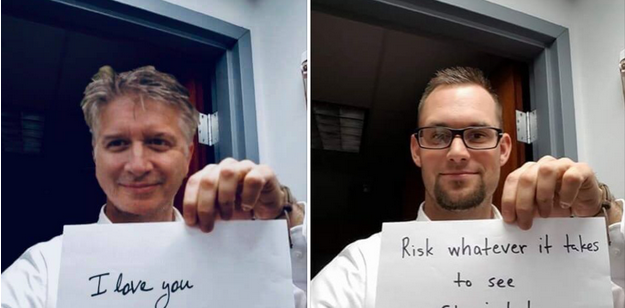
You become suspicious that an online connection is a scammer and ask for proof. They send you a picture with a sign saying they love you. Unfortunately, this is a common scam! The scammer will photograph their face onto someone else’s body and change the writing, even to your name when needed. A way to tell if someone is photoshopping their head onto another picture is to run a reverse image search on the photo. A reverse image search will help you find the original photo.
Catfish Pictures of Girls
Beautiful Cam Girl

This is a picture of a real person. Unfortunately, a catfish stole these photos to trick online victims. Multiple Social Catfish users report seeing this individual’s photographs on dating sites/apps.
According to one Social Catfish user, even when the catfish behind the photos reveal their supposedly “true identity,” they are still lying about who they are. This same SCF user bought her gift cards, flowers, and more!
Video Dub Girl

This catfish took a real video of the above woman and dubbed in their voice or the voice of someone else over the audio. This proves that seeing isn’t believing. Look for badly recreated Photoshop or a view that doesn’t seem synced up correctly to the movements of the mouth or body.
Foreign Woman Shows Up On All The Search Sites

One Social Catfish user had been in an ongoing online relationship with the woman above and sent her money. Unfortunately, a search of her images reveals many duplicates of her photographs on multiple sites. This usually indicates that one is dealing with a scammer.
A Good Looking Doctor

This successful doctor probably isn’t the one trying to message you. Social Catfish users were quick to unmask the man in the photograph. Multiple users have stated that this doctor’s images are stolen and used by numerous scammers or catfish sending friend requests.
While it takes practice to recognize that you’re in a scammer’s web, the more you read up on catfish and their tricks, the more skilled you will be at putting a stop to their antics. Search by name, email, username, photograph, and phone number to uncover the truth and help you verify your identity or pull the wool off of your eyes!
Common Romance Scammer Photos Being Used Right Now
Romance scammers don’t create new fake profiles from scratch; they recycle the same stolen photos over and over. Certain images become favorites in the scammer community, circulating across hundreds of dating sites simultaneously under different names, ages, and backstories.
These photos typically feature:
- Attractive men and women who look approachable yet desirable
- Military personnel in uniform to exploit trust and explain distance
- Professionals in business attire suggesting success and stability
- Casual but flattering shots that appear authentic
- Glamorous lifestyle images hinting at wealth
The same handsome soldier’s photo might appear as “Michael, 45, from Texas” on one site and “David, 38, from California” on another. That beautiful woman could be “Jennifer” on Tinder and “Sarah” on Match, both claiming completely different backgrounds.
Social Catfish tracks the most frequently used romance scammer photos to help people identify active scams before sending money or sharing personal information.
Is your match using a stolen photo? Check Social Catfish’s Top 10 Catfish Photos of the Week to see the images scammers are actively using right now. If their picture matches any of these, you’re being targeted.
These weekly updates reveal which photos are currently circulating in romance scam operations. Comparing your match’s images to this list provides immediate confirmation if you’re dealing with a known scammer using recycled photos.
If you don’t see their exact photo but something still feels off, use Social Catfish’s reverse image search to upload their pictures and discover where else they appear online. Even if they’re not on the weekly top 10 list, their photos might still be stolen from someone else’s social media or modeling portfolio.
FAQs
1. What are the most common types of photos used by online dating scammers?
Online dating scammer photos typically feature attractive people in specific professions or scenarios. Romance scammer photos male often show men in military uniforms, as doctors, oil rig workers, or engineers. Romance scammer photos female frequently depict women as nurses, models, or in exotic vacation settings. These fake dating profiles pictures are usually stolen from real people’s social media accounts or professional portfolios to appear more credible.
2. How can I tell if a dating profile photo is fake?
You can verify romance scammer pictures male or female by using reverse image search tools like Google Images or TinEye. If the same photo appears on multiple websites, different profiles, or belongs to someone else entirely, it’s likely stolen. Other red flags in fake dating profiles pictures include overly professional-looking photos, images that seem too perfect, or profiles with only one or two photos.
3. Why do scammers use attractive photos on dating sites?
Scammers use attractive romance scammer photos to quickly gain attention and trust from potential victims. Whether they’re using romance scammer photos female or male versions, good-looking online dating scammer photos increase the likelihood of getting responses and help build an emotional connection faster. The more attractive the fake dating profiles pictures appear, the easier it is for scammers to manipulate victims into overlooking suspicious behavior.
4. What should I do if I suspect someone is using fake photos on a dating app?
If you suspect romance scammer pictures male or female on a profile, perform a reverse image search immediately on those online dating scammer photos. Ask the person for a video call or request a current photo with a specific pose. If they make excuses or refuse, report the fake dating profiles pictures to the dating platform and cease all communication. Never send money or personal information to someone you haven’t verified.
5. Can scammers use my photos for fake dating profiles?
Yes, scammers can steal your photos to create romance scammer photos or fake dating profiles pictures. To protect yourself from having your images become part of online dating scammer photos collections, adjust your privacy settings on social media, watermark personal photos, and regularly search for your images online using reverse image search to see if they’re being misused in romance scammer pictures male or female profiles elsewhere.
Why Male Romance Scammer Photos Follow Specific Patterns
Male romance scammer photos aren’t random; they’re strategically chosen to exploit psychological triggers and create trustworthy personas. Understanding the romance male scammer list pictures helps you identify these patterns before you’re victimized.
Military Personnel
The most common male scammer photos feature men in military uniforms because military service suggests honor and loyalty, deployment explains why they can’t meet in person, and “stationed overseas” justifies communication barriers and money requests for emergencies.
Professional Older Men
Photos of attractive men in their 40s-60s who appear successful target women seeking stability. These images suggest financial security, maturity, and serious relationship intentions.
Blue-Collar Workers
Men on construction sites or oil rigs explain irregular communication and create scenarios for financial emergencies like “equipment broke, need money to finish the job.”
Handsome but Approachable
Scammers avoid celebrity-level looks that trigger suspicion. They choose “regular handsome guys” that seem realistic and attainable.
Why This Matters
These are the male new scammer picture method scammers are now using. If your match fits these stereotypes: military officer abroad, oil rig worker, successful businessman, and their story includes communication barriers or money requests, you’re likely being scammed.
Conclusion: Verify Photos Before You Trust
Romance scammer photos are everywhere on dating apps, social media, and messaging platforms. These stolen images create false identities designed to manipulate you into emotional connections that end with requests for money. The handsome soldier, the successful businessman, the beautiful woman living an enviable life, they’re all carefully constructed lies built on recycled photographs.
But recognizing patterns isn’t enough. The only way to truly verify someone’s photos is through reverse image search. Social Catfish’s reverse image search reveals where else their images appear online, whether they belong to someone else, and if they’re being used across multiple fake profiles.