
 Multiple Faces Detected



 January 9th, 2025
- How to Find Out Where Someone Lives
How to Find Out Where Someone Lives
How to find out where someone lives can be a challenge, especially when considering a report by the US Census Bureau that shows the average American changes their living location about 12 times in their lifetime. Think about anyone you’ve known all your life—how many of their addresses have you managed to keep track of?
There are people you would want to know where they live. It could be a distant relative, a friend, a colleague, or even a stranger who scammed you and vanished. You would want to locate them and make them face the law. How to find out where someone lives can be done using several ways. All you need to have is basic social information like their name or institutions they attended among others.
In this article, you will learn how to find out where a person lives. It will help you understand how to prepare for the search, the required information, resources you can use, and important considerations to look out for. The article provides evidence that looking for a person’s address can be possible and successful if you follow the right procedure.
Key Takeaways
- We all have people we would like to know where they live. It could be a childhood friend, a long-lost family, or even a scammer.
- The process of tracking down their address can seem tedious. However, it is not. There are readily available resources that can be useful.
- You need to fully prepare before diving into the matter. Understand the subject, collect adequate information, and then finally, conduct the search. Do not forget to look out for key considerations as you proceed.
Preparation On How to Find Out Where Someone Lives
Finding where someone lives requires you to do adequate preparation. Before starting the research process, consider the person you want to look for.
Do they love to be private or do not mind being contacted by people? Answering this question will help you determine the most effective strategy you can apply to find out where the person lives.
After that, list everything you know about the person. Combine both major and minor details to come up with comprehensive information that you can use in the search process. The more information you have, the easier it will be to find the person’s address.
Basic Social Information Required in the Search
You can find your long-lost friend‘s address by using different kinds of information. These might be anything you know about them from their past or present. They include:
- Full names
- Date and location of birth
- Schools they studied in
- Organizations they worked at
- Social media profiles
- Family or colleagues
- Criminal records
- Any sport they played
- A picture of the person
How to Find Out Where Someone Lives
There are multiple ways how to find out where someone lives online. Both free methods and paid options exist. Depending on the information available, you can utilize relevant resources to search through publicly accessible data. Integrating the bits of data from different sources can help you connect the dots and make the process a success. As a result, the following key resources can help you determine a person’s address:
1). Reverse image search
If you want to find anyone on the internet, just a picture of the individual can do. You can use it to conduct a reverse image search to find various details about them. After completing the search, you will receive results from other images or websites that are related to the specific image you presented.
You can conduct a reverse image search using platforms like social catfish. They work by gathering results from public databases across the internet. Apart from conducting a thorough search across millions of databases, it also has skilled specialists that can help you uncover the addresses of, potentially, anyone.
2). Word of mouth
You can simply ask around. This approach might not involve a lot but you may be surprised with the amount of information you might get. It is important to start by asking people before you go any further. If you have any mutual connections, they can be a direct link, preventing you from exploring other resources. These include friends you share, their friends or colleagues, or employers among others. The advantage of this method is that it is free of charge.
3). Search engines

You can also use search engines to look for a person’s address. Google, being the largest search engine in the world, has millions of people’s records. While it can take some time to locate the specific information you are looking for, you can apply simple tricks to optimize its algorithms to get better results.
For instance, inputting the person’s name in quotes helps to provide specific matches in the results. In addition, you can also add any other information you have about them like the city they live in or nicknames. For example: “Sandra May, Sama, Chicago, Illinois”. Search engines also offer information for free.
4). Social media
Social media is another free resource that can help you find people’s personal information. Platforms like Instagram, Facebook, LinkedIn, and X store the digital footprints of users. While Facebook and Instagram can help you locate personal connections, X and LinkedIn are professional platforms.
As a result, when you use the latter make sure to include their profession alongside their names in the search function. This approach will narrow down the search to produce more related data.
4). People search tools
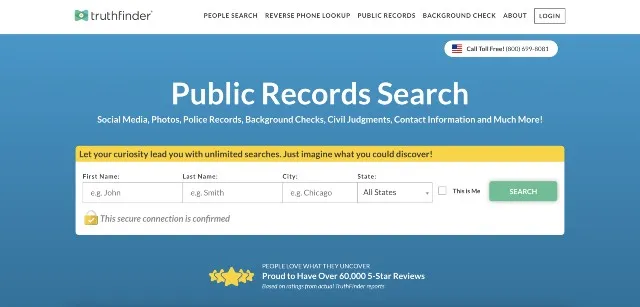
The people search tool is also another resource that can help you get a person’s address if the free methods do not yield results. While some of them offer basic information for free, others require you to pay a small fee to provide a wide range of personal details not available to the public.
Good examples of people search tools that are free include Whitepages and That’s Them. However, Truthfinder, PeopleFinders, and Social Catfish require a small fee for competitive deals.
Key Considerations to Look Out For While Finding a Person’s Address
The process of how to find out where someone lives also comes with careful thinking. The way you conduct the research might positively or negatively affect the subject. The goal is to make sure that the person you are looking for will be content and that you will not disrupt their normal day-to-day lives. As a result, you should consider:
a). Ethical implications
The internet provides sophisticated tools to find people. However, you should use them responsibly to avoid infringing their privacy rights. This means that the strategies and approaches you explore should maintain high ethical standards.
b). Legal Boundaries
Online search resources offer access to information that is not always ethical to use. When you search for people’s information, it is important to do it within the legal confines and in accordance with the law. For instance, make it a habit to notify the subject if you have access to any records that require consent.
c). Respecting privacy
What are your intentions in finding the address of that person? If you ask yourself this question, ensure that the answer to it is respectful and legitimate. Everyone should enjoy their privacy rights. Therefore, make sure that looking for them does not invade their privacy.
Any information that you obtain about them should not be used to stalk, harass, or intimidate. Instead, use it responsibly. If the person does not wish to be contacted, be considerate and honor that wish. Respecting their privacy means also adhering to ethical standards.
Bottom Line: Is it Possible to find out where someone lives
How to find out where someone lives is possible. However, you cannot do it blindly without proper preparations. You should consider their needs and desires first. Then, you can note down information that can be useful in tracking them down.
After that, employ relevant tools that can offer you valuable outcomes. It is advisable to take advantage of free resources to save money.
However, they will only provide basic information or nothing valuable at all. Those that charge some fees are more competitive. Lastly, as you search, ensure you look out for key privacy, ethical, and legal considerations.