 Multiple Faces Detected



 January 19th, 2025
How Do You Safeguard Your Online Presence
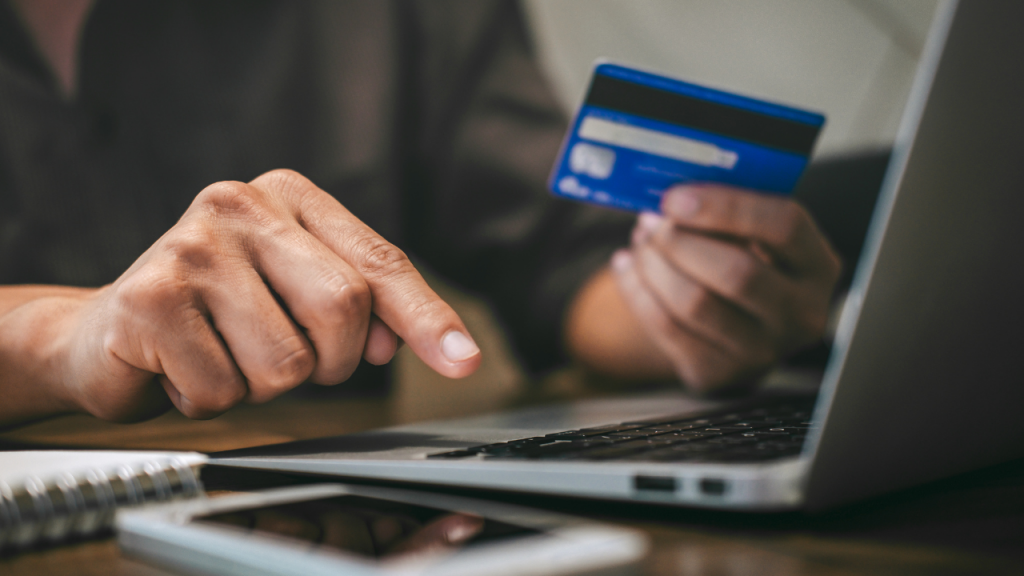
Your online identity is a valuable asset. It comprises everything from your social media accounts to your LinkedIn network. It is important as it brings new opportunities, fosters new relationships and connections with like-minded people, and helps you establish skills in a certain area. However, your digital identity is also prone to many threats. This is why you’ll need to protect it. There are available guidelines that can help you prevent malicious attackers from leveraging it.
Living in a world experiencing technological advancements, you will likely have much of your information online. You connect with friends and family on social media, conduct financial transactions, and access medical care online. While your digital identity plays a key role in achieving your day-to-day goals, it also exposes you to the risk of identity theft. You must protect your personal information to ensure your digital identity is safe.
Key Takeaways
- Your digital identity is any information about yourself that you share online. Websites, apps, and social media platforms employ numerous techniques in collecting personal user data. Therefore, reviewing privacy policies is pivotal to safeguarding your digital identity.
- Users are responsible for ensuring data sharing and collection methods are in the scope of their preferences. They must also align with US general data protection regulations (US GDPRs).
What is Your Digital Identity?
Your digital identity is any information associated with you. It might be your birth date or an email address you filled into a website or an app’s signup form.
These fragments of data, when shared on the internet, collectively serve to identify you for verification, marketing, and other purposes. This means one person can create diverse digital identities if they share different personal information across platforms.
Today, more than ever, a person’s digital identity is important in shaping their online experience. You can access your online banking service securely and faster using your face or fingerprint.
Notwithstanding that your digital identity can enhance convenience and security, scammers and hackers can also collect the information you share online. This necessitates the need to protect yourself from identity theft and fraud.
How Your Data is Collected Online
Websites use cookies, browser settings, embedded images, and forms to understand users’ needs and reduce lag the next time you want to log in. Additionally, they integrate these techniques to provide an authentication method for secure sign-in and a personalized browsing experience curated to your preferences.
1). Cookies
Websites and apps collect personal information using several techniques. Cookies are files saved to your browser and contain information like your digital identity, preferences, and login data, so you do not have to fill them out each time you visit a website. They also track your browsing history, taking note of your interests for promotional purposes. These cookies are behind the targeted ads that pop up each time you visit social media.
2). Form Submissions
The sign-up forms collect personal information when registering on social media or a website. They collect your name, contact details, and other information that make up your digital identity. This enables social media platforms and websites to send newsletters and contact you when necessary.
3). Browser configuration data
If you turn off all cookies, websites can also use your browser and computer’s unique settings to create a digital identity that they can track across platforms. Services like Google Analytics and embedded images are additionally employed to track your browsing activity across the internet.
How is Your Digital Identity Shared Online?
When companies require a service from other organizations, they can be inclined to share their customers’ digital identities without their consent. These actions are contrary to the US general data protection regulations. They have piqued users’ interest in understanding the privacy policies that different social media platforms employ. Therefore, various social media companies have been fined for violating their customers’ rights.
Safeguarding Your Digital Identity
Safeguarding your digital identity is not only crucial to your digital experience but also to safety.
As companies share their information with external organizations, the threat of data theft, fraud, and physical harm grows. But worry not; here are 6 simple ways that you can protect your digital identity:
I). Perform a reverse search
Protecting our digital identity begins with knowing who might be misusing it. At Social Catfish, we offer a Reverse Search Specialist service to help individuals take control of their personal information. Our service is designed to identify accounts that may be fraudulently using your username, photos, or other details that define your digital identity.
Whether you’re concerned about impersonation or want to ensure your private data isn’t exploited, we provide advanced tools and expert guidance to uncover the truth behind suspicious profiles or activity.
Our specialists utilize cutting-edge techniques to perform thorough investigations, giving you the confidence to navigate the digital landscape safely.
By choosing Social Catfish, you’re not just securing your online presence; you’re joining a community committed to protecting and empowering individuals in an increasingly digital world. Let us help you take the first step toward safeguarding your digital identity and achieving peace of mind.
Take Control of Your Digital Identity Today!
Let Social Catfish’s Reverse Search Specialist help you uncover the truth and safeguard your online presence.
II). Clear Cookies and browser data
Browsers like Google Chrome and Mozilla Firefox allow users to clear their browsing history, including configurations, cookies, passwords, and other site data. Deleting cookies and tracking scripts ensures that the websites you visit have reduced access to your digital identity.
III). Install privacy extensions
Most browsers also enable users to install extensions to enhance their online experience. Downloading and installing privacy extensions helps you minimize trackers and identifiers businesses use to extract your digital identity and target you with annoying advertisements.
IV). Read through a website’s privacy policy
All websites have at least a privacy policy to highlight how they use and share personal data. The policy documents can be one page to several pages long. Reading every part is crucial in safeguarding your digital identity.
You will find information about data selling, third-party sharing, and other company practices in that document. Then, you will have sufficient insight to decide whether to visit the website or avoid registering altogether.
V). Use a VPN or incognito mode
The incognito function creates a browsing environment where your activity is not stored on your computer. However, your internet service provider (ISP) can still see what you search on the internet. Using a VPN offers a more discrete browsing experience where your ISP cannot access your browsing activity, nor can fraudsters easily retrieve your digital identity.
VI). Limit the information you share online
When communicating with other users on social media, consider the kind of information you share. Oversharing information like your birth date, address, email, bank information, and phone number can make you an easy target for fraudsters. They can use this information to steal your identity and trace your physical location.
The Bottom Line
Your digital identity is essential for shaping your online experience and defining your unique digital persona.
While the information you share can help you connect and create opportunities, it can also be misused if left unprotected. Websites collect and use your data, often in ways that may compromise your privacy or security.
Taking proactive steps—such as reviewing privacy policies, limiting shared information, and monitoring how your digital identity is used—can safeguard your online presence.
With Social Catfish’s Reverse Search, you gain the tools to verify profiles, uncover misuse of your personal information, and protect your identity from sophisticated fraudsters