 Multiple Faces Detected


 January 21st, 2026
You’re scrolling through a dating app. A profile catches your eye. The photo looks amazing. Perfect lighting. Flawless skin. A warm smile that feels genuine.
But something nags at you.
Is this person real? Or is this another scam?
You’re not paranoid. You’re smart. Because scammers are using AI to create fake photos that look more real than actual people, and if you don’t know what to look for, you could be the next victim.
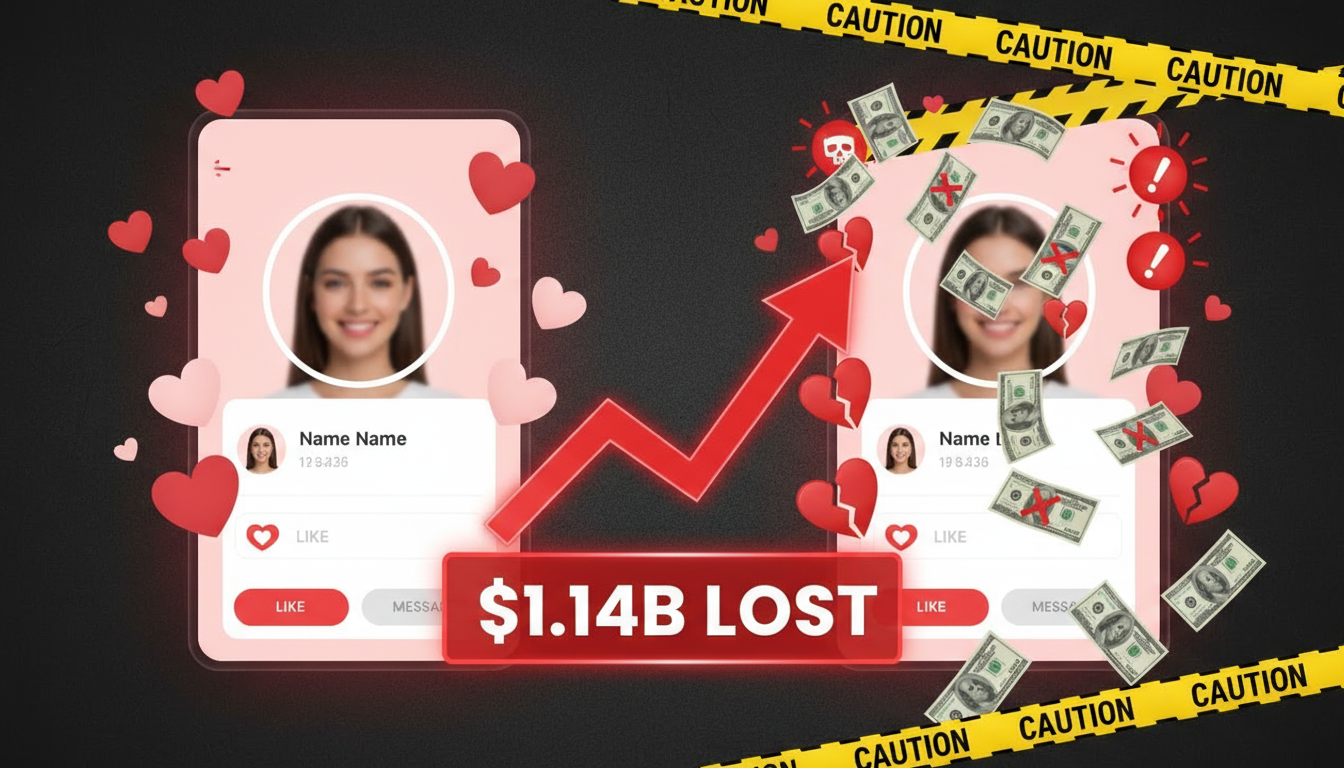
That’s where an AI image detector comes in. These tools help you figure out if a photo was made by a person or generated by artificial intelligence. And in a world where romance scams cost Americans over $1.14 billion in 2023, knowing how to spot a fake could save you thousands of dollars and a broken heart.
What Is an AI Image Detector and Why You Need One

An AI detector image tool analyzes photos to determine if they were created by AI or taken by a real camera. Think of it like a lie detector for pictures.
Here’s the problem. Scammers used to steal photos from real people’s social media accounts. You could catch them with a reverse image search. But now? They’re using AI to generate completely new faces that don’t exist anywhere online. According to experts, about 25% of fake profiles now use AI-generated photos.
These aren’t your typical blurry, obviously fake images. Modern AI creates photos with natural lighting, realistic skin textures, and even tiny imperfections that make them look human. The technology has gotten so good that less than half of people (46%) can correctly identify an AI-generated image.
That’s terrifying.
But an AI image detector can spot what your eyes miss. It looks at pixel patterns, compression artifacts, and digital signatures that reveal AI manipulation. And the best part? You don’t need to be a tech expert to use one.
How Scammers Use AI-Generated Photos to Catfish Victims
Let’s talk about how this actually works in the real world.
Scammers create fake dating profiles using AI-generated faces. They craft believable backstories. They send you messages that feel personal and caring. And because the photo looks so real, you trust it.
Romance scammers are now using AI-generated profiles, deepfake videos, and chatbot conversations to build emotional connections. They’re not just stealing someone’s identity anymore. They’re creating entirely new people who never existed.
Here’s a real example. In January 2025, a French woman named Anne lost over $850,000 to a scammer pretending to be Brad Pitt. The scammer used AI-generated photos and deepfake technology to make the fake relationship feel real. When she finally ran the photos through a reverse image search, she discovered they were AI composites.
This isn’t rare. Over 55% of current online daters report encountering suspicious profiles on at least a weekly basis. And 40% of people on dating apps have been targeted by scams.
The scary part? These scammers follow a pattern. They build trust quickly. They avoid video calls with excuses like “my camera’s broken.” They move conversations off the dating app to private messaging. And eventually, they ask for money.
An AI detector image tool helps you catch them before you get emotionally invested.
What an AI Image Detector Actually Checks
So what does an AI image detector look for when it scans a photo?
First, it examines pixel-level details. AI-generated images often have subtle inconsistencies that human eyes miss. Things like mismatched earrings, blurry backgrounds, uneven lighting, or strange reflections in the eyes.
Second, it analyzes compression patterns. Real photos taken with cameras have specific digital signatures based on how the camera sensor captures light. AI-generated images lack these authentic markers.
Third, it looks for statistical anomalies. AI image detectors use advanced algorithms trained on millions of real and AI-generated images. They can spot patterns that indicate synthetic generation, even when the image looks perfect to us.
The best AI detector image tools can identify photos from popular AI generators like Midjourney, DALL-E, Stable Diffusion, and Flux. According to testing by independent researchers, top detectors achieve accuracy rates between 95-99% when analyzing images from these platforms.
But here’s the catch. No tool is 100% perfect. That’s why you need to combine an AI image detector with other verification methods.
How Accurate Are AI Image Detectors?
Let’s be honest. You’re probably wondering if these tools actually work.
The answer is yes, but with some important caveats.
Testing by independent reviewers found that the best AI image detectors correctly identified AI-generated images 97-99% of the time. Tools like Hive Moderation and Hugging Face’s SDXL Detector performed especially well in head-to-head comparisons.
But accuracy depends on several factors. The quality of the image matters. High-resolution, uncompressed photos are easier to analyze than low-quality screenshots. The AI model used to create the image also affects detection. Newer AI generators are harder to catch than older ones.
And here’s something important. AI image detectors can sometimes flag real photos as fake, especially if the photo has been heavily edited or compressed. That’s why the best approach is to use multiple verification methods together.
Think of an AI detector image tool as one piece of the puzzle. It’s incredibly useful, but it works best when combined with reverse image searches, video verification, and good old-fashioned common sense.
Why Social Catfish Is Your Best Option for Verification
You need more than just an AI image detector. You need a complete verification system.
That’s where Social Catfish comes in.
Social Catfish combines multiple verification tools in one platform. You can run a reverse image search to see if a photo appears elsewhere online. You can use facial recognition search to find other profiles using the same face. And you can perform background checks to verify someone’s identity.
But here’s what makes Social Catfish different. It’s specifically designed to catch catfishing and romance scams. The platform understands the tactics scammers use. It knows what red flags to look for. And it gives you clear, actionable information about whether someone is who they claim to be.
Let’s say you meet someone on a dating app. Their photos look great. Maybe too great. You can upload their picture to Social Catfish and get a comprehensive report. The system will check if the image has been used on other dating profiles, social media accounts, or scam databases. It will flag inconsistencies in their story. And it will give you the confidence to either continue the relationship or walk away.
Social Catfish has helped thousands of people avoid romance scams. The platform makes it easy to verify someone’s identity before you get emotionally or financially invested.
And if you’re already talking to someone who seems suspicious, Social Catfish can help you spot the 12 signs you might be getting catfished before it’s too late.
Red Flags That Scream “AI-Generated Photo”
Even without an AI image detector, you can spot some warning signs yourself.
Look at the eyes. AI-generated faces often have slightly mismatched pupils or unnatural reflections. The lighting in the eyes might not match the rest of the face.
Check the background. AI struggles with complex backgrounds. You might see blurred objects, impossible shadows, or details that don’t make sense.
Examine the edges. Look at where hair meets the background or where clothing meets skin. AI-generated images sometimes have fuzzy or unnatural transitions in these areas.
Watch for perfection. Real photos have imperfections. Skin has pores, texture, and natural variations. If someone’s skin looks airbrushed to perfection in every single photo, that’s suspicious.
Look for consistency. If someone has multiple photos, compare them carefully. Do the facial features stay consistent? Does the person age appropriately across photos? Scammers sometimes use different AI-generated faces and hope you won’t notice.
And here’s a big one. If someone refuses to do a video call, that’s a massive red flag. Scammers avoid live video because they can’t fake it in real-time.
These red flags don’t prove someone is a scammer. But they should make you pause and verify before you trust them.
How to Protect Yourself from AI Catfishing Scams

You can’t rely on an AI detector image alone. You need a complete strategy.
First, always verify before you trust. Use tools like Social Catfish to check someone’s photos and background. Run a reverse image search on their pictures. Look them up on social media to see if their profiles match their story.
Second, insist on video calls early. Real people have no problem jumping on a video chat. Scammers will make excuses. If someone consistently avoids video calls, walk away.
Third, never send money to someone you haven’t met in person. This should be obvious, but romance scammers are experts at creating emotional urgency. They’ll have a crisis. They’ll need help. They’ll promise to pay you back. Don’t fall for it.
Fourth, keep conversations on the dating platform. Scammers want to move to private messaging apps like WhatsApp or Telegram because it’s harder to report them there. Stay on the platform until you’ve verified their identity.
Fifth, trust your gut. If something feels off, it probably is. According to research, 79% of people report experiencing loneliness, and 20% admit they make riskier decisions online because of it. Scammers exploit that vulnerability. Don’t let loneliness override your common sense.
And finally, educate yourself. Learn about common romance scam tactics. Understand how catfishing works. The more you know, the harder you are to fool.
What to Do If You Think You’ve Been Scammed
Let’s say you’ve been talking to someone online. You ran their photo through an AI image detector. It came back as AI-generated.
Now what?
First, stop all communication immediately. Block them on every platform. Don’t confront them. Don’t give them a chance to manipulate you further.
Second, document everything. Take screenshots of your conversations. Save any photos they sent you. Keep records of any money you sent. You’ll need this evidence if you report the scam.
Third, report them. Report the profile to the dating app or social media platform. File a report with the Federal Trade Commission (FTC). If you sent money, contact your bank or payment service immediately to see if you can reverse the transaction.
Fourth, protect your accounts. Change your passwords. Enable two-factor authentication. If you shared personal information with the scammer, monitor your credit reports for signs of identity theft.
And finally, don’t blame yourself. These scams are sophisticated. They’re designed to fool smart people. Even tech-savvy individuals fall for AI-powered romance scams because the emotional manipulation is so effective.
If you need help, Social Catfish offers resources for what to do if you’re being catfished. You’re not alone in this.
The Future of AI and Online Dating Safety
AI isn’t going away. It’s getting better.
That means scammers will keep using it to create more convincing fake profiles. But it also means detection tools will improve. The arms race between scammers and security experts will continue.
What does this mean for you?
It means you need to stay informed. Learn about new scam tactics as they emerge. Use the best verification tools available. And never let your guard down completely.
The good news? Platforms like Social Catfish are constantly updating their technology to catch new types of AI-generated content. They’re investing in better AI detector image tools, more comprehensive background checks, and smarter fraud detection systems.
But ultimately, your safety is in your hands. Use the tools available. Trust your instincts. And remember that if someone seems too good to be true, they probably are.
Stay Safe Out There
Online dating should be fun. It should help you find genuine connections with real people.
An ai image detector is one of the most important tools you can use to make sure the person on the other end of that conversation is actually real. Combined with platforms like Social Catfish, you have the power to verify identities, spot red flags, and protect yourself from scammers.
Don’t wait until you’ve lost money or gotten your heart broken. Start verifying now. Check those photos. Ask the hard questions. And never send money to someone you haven’t met in person.
Because in a world where AI can create perfect faces and convincing lies, the only thing standing between you and a scammer is your willingness to verify before you trust.
Stay safe. Stay smart. And use the tools that can help you tell the difference between a real connection and a dangerous fake.