
 Multiple Faces Detected


 January 15th, 2026
Discovering that you might be catfished can feel overwhelming. The mix of shock, embarrassment, and betrayal is hard to process. The good news is you’re not powerless. This article will give you a clear step-by-step action plan to confirm whether someone is who they claim to be, protect your information, and know exactly what to do if you find out you’ve been deceived. By the end, you’ll have both the tools and the confidence to take back control.
Don’t give scammers another chance. Run a Social Catfish scam check now to uncover the truth about who you’re really talking to.
What Does Catfishing Mean in a Relationship?
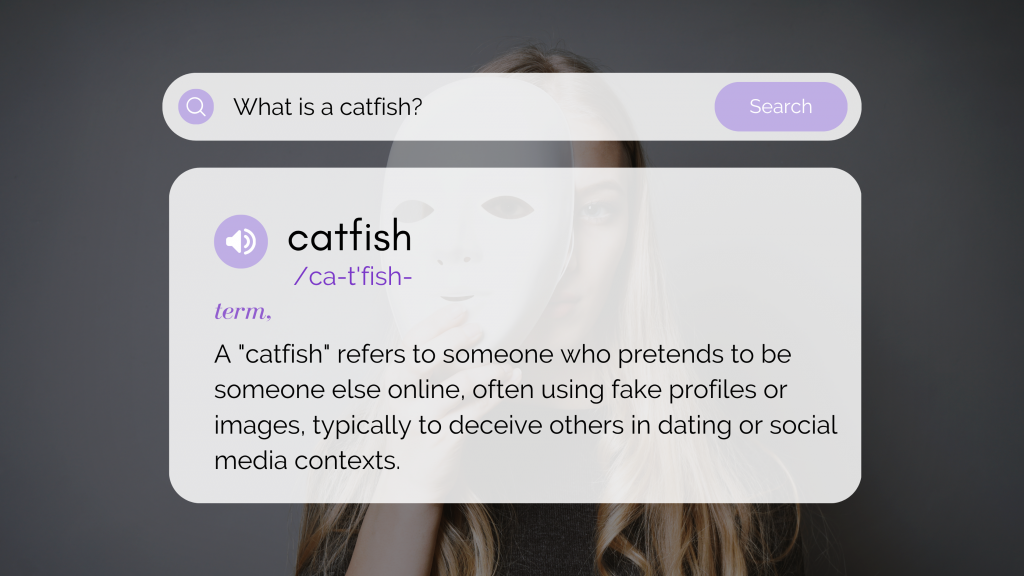
When an online relationship feels too good to be true, it’s often because it is. Catfishing is a deceptive practice where a scammer creates a fake identity to manipulate someone for emotional or financial gain. They use stolen photos and false personal details to build a relationship under pretenses. This emotional manipulation can be devastating when the truth is revealed.
Before you get too involved, take a moment to confirm your suspicions. The best way to do this is with a reverse image search. By uploading their profile picture or any photos they’ve sent you, you can quickly see if the images are linked to other profiles or have been stolen from a completely different person. Don’t wait—upload their photo now and get instant results.
The person that you’re talking to has an extravagant life. They travel a lot, have a great job, and are great looking but, all of a sudden, something dramatic happens, and they either need money, won’t talk you to on Skype or plans to meet always seem to fall through. They might have a photo on their profile of someone who looks like a model when in reality they stole these photos from social media influencers. These are typically signs that you’re being catfished online.
If this is you, you might be getting catfished. Catfishing is a scheme where someone acts like someone else to dupe or scam someone online. It usually involves love, and the motives of the person doing the catfishing are always selfish. If this seems like you, here are some things that you can do to avoid getting ripped off, scammed, or embarrassed by friends and family because you fell for a scam.
What are Three Signs That You are Being Catfished?
Catfishing is when someone creates a fake online identity to deceive others into believing they are someone else. Here are three signs that you may be getting catfished.
- The person is reluctant to meet in person: One of the most common signs of catfishing is when someone avoids meeting face-to-face, even after a long period of communication. They may come up with excuses, such as living in another country, having a demanding job, or facing constant emergencies. If you’ve found yourself asking, “Am I getting catfished?”, this hesitation to meet is one of the biggest red flags to watch for.
- The person avoids video chats or phone calls: If the person you are talking to refuses to do video chats or phone calls, this may be a sign that they are not who they claim to be. They may be using fake photos or stolen images to create their online identity and don’t want to risk being exposed.
- The person’s story doesn’t add up: If the person you are talking to has inconsistencies in their story or their details don’t match up with what they have told you before, this is a red flag. For example, they may have said they live in one city, but their IP address suggests they are located somewhere else.
Keep in mind that these signs alone do not necessarily mean that you are being catfished, but they should raise a red flag and prompt you to investigate further.
Step 1 – Confirm Your Suspicions
Don’t jump the gun before you know. You don’t want to end a possible good relationship, but you also don’t want to ignore the signs either. If you’ve ever wondered how to find out if you’re being catfished, paying attention to small inconsistencies and red flags early on can save you from heartache later.
Reverse Image Search Their Photos
- Upload their photos to Social Catfish’s image database
- Check if images appear on other profiles or websites
- Look for matches across dating sites and social media
Verify Their Contact Information
- Search their phone number through Social Catfish
- Check their email address and usernames online
- Cross-reference details with their claimed location
Red Flags That Confirm Your Suspicions
- Personal details that change or contradict over time
- Consistent refusal to video chat or meet in person
- Pressure for money, gifts, or financial assistance
- Limited photos or overly professional modeling shots
- Stories about their life that don’t add up
Step 2 – Protect Yourself Immediately
Once you suspect catfishing, immediately stop sending any personal information or compromising photos. Block the suspected catfish from all your social accounts and tighten your privacy settings. Most importantly, never send money; many catfishing scams involve emotional manipulation designed to make you feel obligated to help during fake “emergencies.”
Here’s your immediate action plan:
Stop All Information Sharing
- Cease sending personal details, photos, or financial information
- Don’t provide your address, workplace, or family information
- Avoid sharing intimate photos that could be used against you
- Stop discussing your financial situation or assets
Block Suspicious Accounts
- Block them on all dating platforms and social media immediately
- Remove them from messaging apps (WhatsApp, Telegram, etc.)
- Don’t give them opportunity to manipulate or guilt-trip you
- Save screenshots before blocking for potential evidence
Secure Your Digital Accounts
- Update passwords for email, social media, and dating accounts
- Enable multi-factor authentication (MFA) on all important accounts
- Review and secure your online banking and financial accounts
- Adjust privacy settings to limit access to your personal information
Remember: Legitimate people who care about you will understand your need for caution. Your safety comes first.
Step 3 – Confront or Cut Contact

Online romance scams and catfishing schemes cost victims millions every year, and the FTC shows that scammers often use the same lies, like claiming to be stuck overseas, in the military, or needing money for an emergency. Many people feel embarrassed, angry, or helpless when they discover the person they trusted was a fraud. But you’re not alone, and you have options.
If You Feel Safe to Investigate Further
- Ask direct questions about the inconsistencies you’ve noticed
- Request live video verification or an unplanned phone call
- Ask them to take a photo holding a sign with your name and today’s date
- Set a firm deadline for their response no excuses or delays
If You Don’t Feel Safe or Comfortable
- Cease all contact immediately without explanation
- Trust your instincts you don’t owe them anything
- Block them across all platforms before they can escalate tactics
- Don’t engage in debates or give them chances to explain
Remember: Your Emotions Are Working Against You
Romance scammers exploit your feelings. They may:
- Make you feel guilty for questioning their honesty
- Escalate love declarations when confronted with evidence
- Create sudden “emergencies” to distract from your suspicions
- Use your emotional investment to keep you hooked
The connection you felt was real to you, but it was built on lies. Prioritizing your safety isn’t cruel; it’s smart and necessary. Protect yourself with Social Catfish’s verification tools and never fall victim again.
Step 4 – Report the Catfish
Can you Report a Catfish to the Police?
- Contact Law Enforcement
- Report cyber fraud to your local police department.
- File a complaint with the Internet Crime Complaint Center (IC3), which partners with the FBI to investigate online fraud.
- Report on the Platform Where It Happened
- Facebook: Report fake accounts or report phishing scams.
- Twitter (X): Report impersonation or report online fraud.
- Dating Sites & Forums: Most have a “Report” or “Flag” option on profiles. If not visible, check their help center (for example, POF Reporting Guide).
- If You’ve Sent Money
- Act immediately. Contact your local police to get instructions on how to proceed and prevent further financial damage.
Why Reporting Matters
Reporting a catfish isn’t just about protecting your finances and identity; it’s about stopping scammers from preying on others. Every report helps build a case against online fraudsters and keeps dating platforms safer for everyone.
Before you respond to another message, verify the person’s identity with Social Catfish to protect yourself from online scams.
Step 5 – Move On and Protect Yourself in the Future
Recovery from catfishing isn’t just about moving on, it’s about rebuilding your confidence and creating safeguards for future relationships. Here’s how to heal and protect yourself going forward:
Emotional Recovery and Support
- Talk to trusted friends and family about your experience without shame
- Consider professional therapy to process the emotional manipulation you experienced
- Join support groups for catfishing and romance scam survivors
- Practice self-compassion you were targeted by skilled manipulators, not gullible
Use Social Catfish for Ongoing Protection
Make verification a standard part of your online dating routine:
Before Every New Match:
- Upload their photos to our reverse image search
- Use our phone lookup and background check tools
- Search their usernames across platforms
Set Up Monitoring Alerts:
- Get notified if someone uses your photos online
- Monitor for fake profiles created with your information
- Stay protected with ongoing surveillance tools
Don’t let one bad experience keep you from finding love. Use Social Catfish’s verification tools to safely explore new connections with confidence.
Frequently Asked Questions
1. Can you report a catfish to the police?
Yes, you should report catfishing to police, especially if money was involved. File reports with local law enforcement, the FTC at ReportFraud.ftc.gov, and the IC3 at IC3.gov. While individual cases may be hard to prosecute, reports help track criminal patterns.
2. Can you sue someone for catfishing?
You may be able to pursue civil action for catfishing, particularly if you suffered financial losses or can prove identity theft. However, lawsuits are expensive and challenging since catfishers often use fake identities and operate internationally. Consult with an attorney to evaluate your specific case.
3. What should you do if someone catfishes you?
Immediately stop all communication and block the person on all platforms. Document everything with screenshots before blocking. Report them to authorities and the platform where you met. Use Social Catfish to verify their identity and gather evidence for your reports.
4. How quickly do romance scammers typically ask for money?
Most romance scammers work to intensify the relationship quickly, usually asking for money within 2-4 weeks after initial contact. They may start with small “emergencies” before escalating to larger amounts once trust is established.
5. What should I do if my bank warns me about romance scams?
If your bank contacts you to express concern you are being victimized, this is perhaps the most significant red flag that you are being targeted. Stop all communication immediately and listen to their warning banks can spot suspicious payment patterns.