
 Multiple Faces Detected


 January 3rd, 2023
Do you know what the top 5 email scams are? Scams are everywhere, and employees can quickly become victims without the right knowledge. Business owners often prioritize money and workflow without realizing that their employees are easy targets for scammers.
These scammers are eager to access the valuable information stored in company systems, and they will go to any lengths, even criminal ones, to get it. Scammers use a variety of tactics to access this information, including working the angle of the company’s employees.
While some scams are easy to spot, such as the phone call that tells us it is a scam, others are much harder to recognize. Employees may be scammed without even realizing it, and the company can face severe consequences if they don’t take the necessary precautions. Email scams are a common way scammers attempt to gain access to valuable information about your business.
These scams can be challenging to identify, so it is essential to know the most common types and why they should be avoided. Below we list the top five email scams and why you want to be aware of them!
Phishing
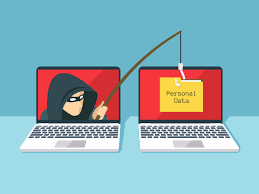
First on the top 5 email scams is phishing. Phishing is a deceptive method of scamming that is the most popular email scam. It involves the scammer sending an email that appears to come from a legitimate source, such as a bank or other financial institution. The scammer’s goal is to get the recipient to provide personal information, such as passwords or account numbers, which can then be used to access funds or other sensitive information. It is essential to be aware of the signs of phishing scams to protect yourself from this type of scam. Be wary of emails that ask for personal information or that contain links to unknown websites.
Email Baiting

Email baiting is a tactic used by hackers to gain access to sensitive information. It is a strategy very similar to phishing, where emails appear to come from a legitimate source but contain malicious links or attachments. These emails may promise the receiver something, such as winning the lottery or movie tickets, in exchange for private information. To protect oneself from email baiting, it is crucial to be aware of suspicious emails. This includes emails from unknown senders, emails with suspicious links or attachments, and emails that ask for personal or financial information.
Scammers Using The Friend Tactic

The friend tactic email scam is a phishing scam that attempts to gain access to your personal information by pretending to be a friend or family member in need of help. The scammer will typically send an email that appears to be from someone you know, asking for money or other assistance. The email may also contain a link to a legitimate website, but it is a malicious website designed to steal your personal information. The scammer may also attempt to access online accounts by asking for employees’ usernames and passwords. It is essential to be aware of this scam and never provide personal information or money to someone you do not know or trust.
Business Email Compromise
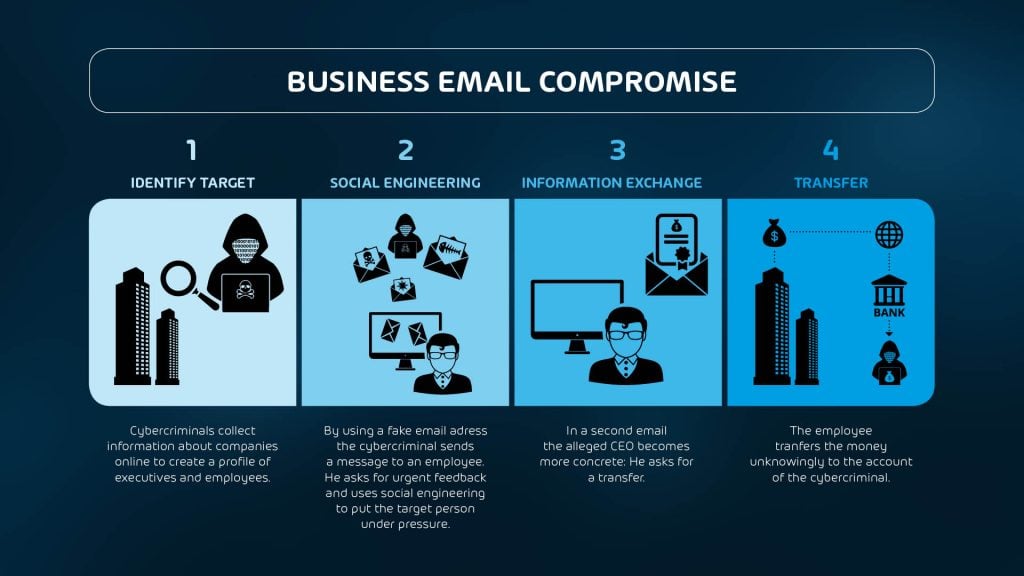
Business Email Compromise (BEC) scams are becoming increasingly common. This type of scam is when a scammer hacks an employee’s email account and then uses it to send fraudulent requests for invoice payments to vendors on the employee’s contact list. Unfortunately, many companies don’t even realize they have been scammed until it’s too late. Employees must be aware of the security of their accounts and take steps to ensure that their emails are not easily hacked. By taking the necessary precautions, employees can protect their companies from falling victim to a BEC scam.
The Spear Phishing Scam
Last on the top 5 email scams is spear phishing. Spear phishing scams are a common and dangerous way for scammers to gain access to personal information. They use the internet to craft emails tailored to the recipient, often impersonating someone the victim knows and trusts. This makes it difficult for even the savviest users to identify the scam. Spear phishing emails may be sent to individuals or a group of people, so it’s essential to be aware of this type of scam and to use caution when responding to emails. By staying alert and using a friendly tone when communicating online, you can help protect yourself from becoming a victim of a spear phishing scam.
Summing It Up
Employees should be aware of email scams, which can be a significant security risk for any organization. Employees can help protect the company’s data and resources from malicious actors by understanding the signs of a scam. Additionally, employees should be aware of the potential consequences of responding to a scam email, such as losing confidential information or installing malicious software. Organizations can better protect themselves from cyber threats by educating employees on the risks associated with email scams.