Multiple Faces Detected



 February 15th, 2026
Finding love after 50 should be exciting. Not terrifying.
But for thousands of older adults using OurTime, the popular dating platform designed for singles over 50, romance scams have become a serious problem. Scammers know that seniors often have retirement savings, own homes, and may be more trusting than younger users. They target OurTime specifically because of its older demographic.
The numbers are alarming. According to the Federal Trade Commission, romance scams cost victims $1.14 billion in 2023, with a median loss of $2,000 per person. But some victims lose much more. One OurTime user reportedly lost over $500,000 to a scammer who spent months building trust before asking for money.
This isn’t about blaming victims. Scammers are professionals. They know exactly what to say and how to manipulate emotions. But you can protect yourself by learning the warning signs.
What Makes OurTime a Target for Scammers?

OurTime launched in 2011 as a dating site exclusively for people over 50. It’s owned by Match.com and has millions of members across the United States. The platform is easy to use, which makes it popular with seniors who may be new to online dating.
But there’s a problem. OurTime lacks strong security features that other dating sites have. There’s no photo verification system. No identity checks. This makes it easier for scammers to create fake profiles and target vulnerable users.
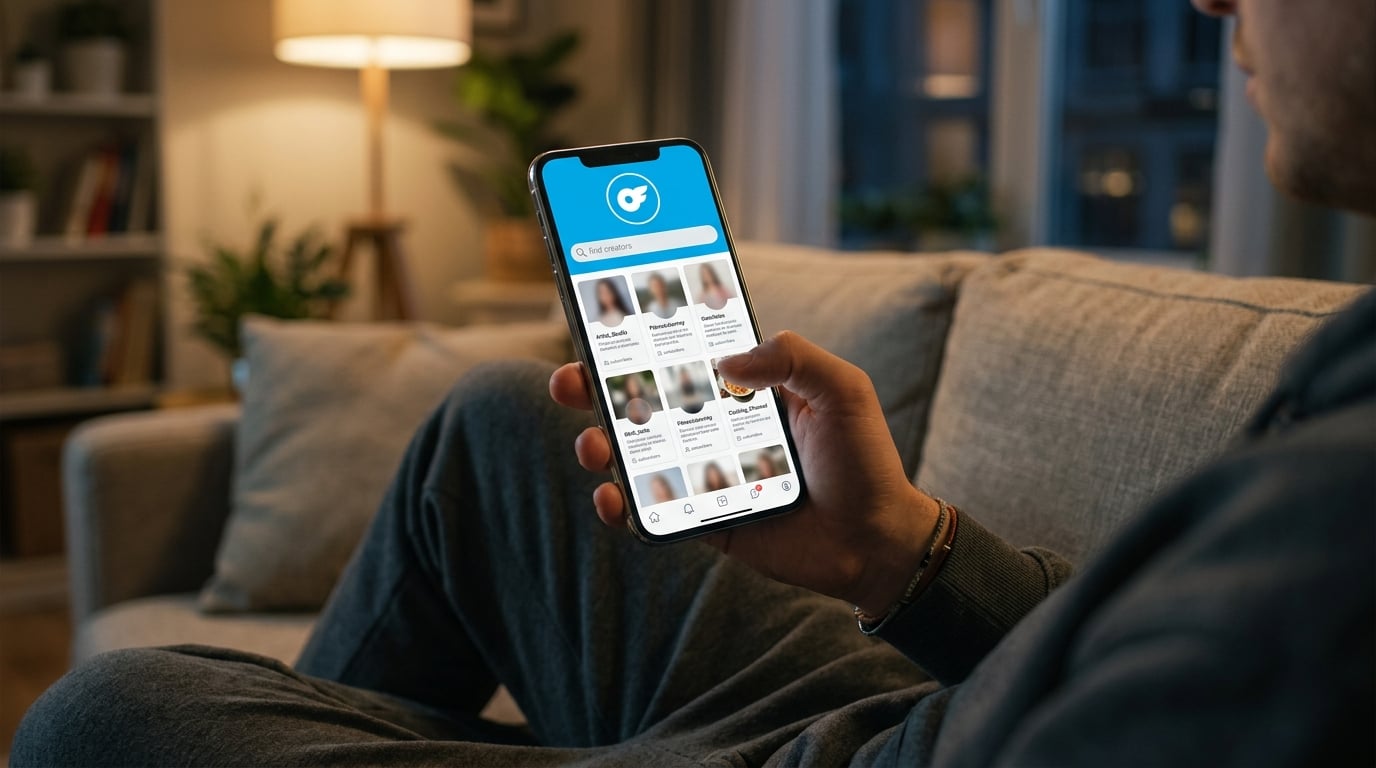
Reviews from actual users paint a concerning picture. Only 6% of reviewers recommend the site, according to SeniorSite.org. Many complain about fake profiles and potential scams. The OurTime dating app makes it convenient to stay connected, but that also means scammers can reach you anytime, anywhere.
Red Flags That Scream “Scammer”
Scammers follow patterns. Once you know what to look for, they’re easier to spot.
They Move Too Fast
Real relationships take time. Scammers don’t have time. They’ll declare love within days or weeks, sometimes after just a few messages. This is called “love bombing,” and it’s designed to make you feel special so you’ll let your guard down.
If someone on the OurTime dating app is professing deep feelings before you’ve even met, that’s a red flag.
Their Story Doesn’t Add Up
Scammers often claim to be from the U.S. but are currently overseas. Common excuses include:
- Working on an oil rig
- Serving in the military abroad
- Doing humanitarian work in another country
- Traveling for business
These stories create a reason why they can’t meet in person. They also set up the eventual request for money. If you’re curious about oil rig scams, they’re one of the most common tactics used on dating sites.
They Avoid Video Calls
Technology makes video chatting easy. If someone refuses to get on a video call, there’s usually a reason. They might be using stolen photos. They might not be who they claim to be.
Some scammers have gotten smarter and use fake video chat technology. But most will simply make excuses about bad internet, broken cameras, or being too shy.
They Ask for Money
This is the biggest red flag of all. Legitimate romantic interests don’t ask for financial help, especially from someone they’ve never met in person.
Scammers will create emergencies:
- Medical bills
- Plane tickets to visit you
- Help with a business deal
- Money to get out of a bad situation
Don’t send money. Ever. Once you send it, it’s gone.
Their Profile Photos Look Too Good
Professional-looking photos can be a warning sign. Scammers steal images from models, actors, or other people’s social media accounts. You can check if photos are real by using a reverse image search.
Upload their photo to Social Catfish or Google Images. If the same photo appears on multiple websites or belongs to someone else, you’re dealing with a scammer.
How Scammers Operate on OurTime
Understanding their playbook helps you stay protected.
Step 1: They create an attractive profile. Scammers use stolen photos and write profiles designed to appeal to their target audience. They’ll mention shared interests, values, and relationship goals.
Step 2: They initiate contact. They send friendly messages to multiple people, waiting to see who responds. Once you reply, they focus their attention on you.
Step 3: They build trust. This phase can last weeks or months. They’ll message you daily, share personal stories, and make you feel like you’ve found someone special. Some even send small gifts.
Step 4: They create a crisis. Once they think you’re emotionally invested, they’ll introduce a problem that requires money. The request might start small, then escalate.
Step 5: They disappear. After getting money, they either vanish completely or continue the scam with new excuses for why they need more.
Protecting Yourself on OurTime
You don’t have to avoid online dating. You just need to be smart about it.
Do Your Research
Before getting emotionally involved, do a dating background check. Social Catfish offers tools to verify someone’s identity using their name, phone number, email, or photos.
You can also search for someone across multiple dating sites to see if they’re using the same photos or information elsewhere.
Keep Conversations on the Platform
Scammers want to move conversations off OurTime quickly. They’ll ask for your personal email, phone number, or to chat on WhatsApp or Google Hangouts. This helps them avoid detection by the platform’s monitoring systems.
Keep talking through the app until you’ve met in person and verified they’re real.
Never Send Money
This rule has no exceptions. Don’t send money, gift cards, cryptocurrency, or anything of value to someone you’ve only met online. Real people don’t ask strangers for financial help.
Meet in Public
If you decide to meet someone from OurTime, choose a public place during daytime hours. Tell a friend or family member where you’re going and when you’ll be back. Consider doing a reverse phone lookup before meeting to verify their contact information.
Trust Your Instincts
If something feels off, it probably is. Don’t ignore red flags because you want the relationship to be real. Scammers count on victims ignoring their gut feelings.
What to Do If You’ve Been Scammed
If you’ve already sent money or shared personal information, act quickly.
- Stop all contact with the scammer immediately.
- Report them to OurTime and to the FTC at ReportFraud.ftc.gov.
- Contact your bank if you sent money through a wire transfer, check, or direct deposit.
- File a police report in your local jurisdiction.
- Warn others by sharing your experience (without embarrassment) so others don’t fall for the same scam.
You’re not alone. Thousands of people fall victim to romance scams every year. The shame and embarrassment scammers count on is what keeps them in business.
Why Social Catfish Is Your Best Defense

Social Catfish specializes in helping people verify online identities and avoid scams. Our platform offers:
- Reverse image search to check if profile photos are stolen
- Phone number lookup to verify contact information
- Email search to find associated accounts and social media profiles
- Username search across multiple platforms
- Dating profile search to see if someone is active on other sites
We’ve helped thousands of people uncover the truth about their online connections. Whether you’re using OurTime, Bumble, Tinder, or any other dating platform, Social Catfish gives you the tools to stay safe.
Don’t wait until you’ve lost money or had your heart broken. Verify first, trust later.
Stay Safe While Dating Online
Dating after 50 can lead to genuine connections and meaningful relationships. But you need to protect yourself from the scammers who prey on people looking for love.
Remember the key warning signs: moving too fast, inconsistent stories, avoiding video calls, and asking for money. Use reverse lookup tools to verify identities. Keep conversations on the platform. Never send money to someone you haven’t met in person.
OurTime and other dating sites can help you find companionship. But only if you approach them with caution and common sense. Trust your instincts. Do your research. And don’t let anyone rush you into decisions you’re not comfortable with.
Your safety matters more than any potential relationship. Stay alert, stay informed, and stay protected.