 Multiple Faces Detected


 May 27th, 2021
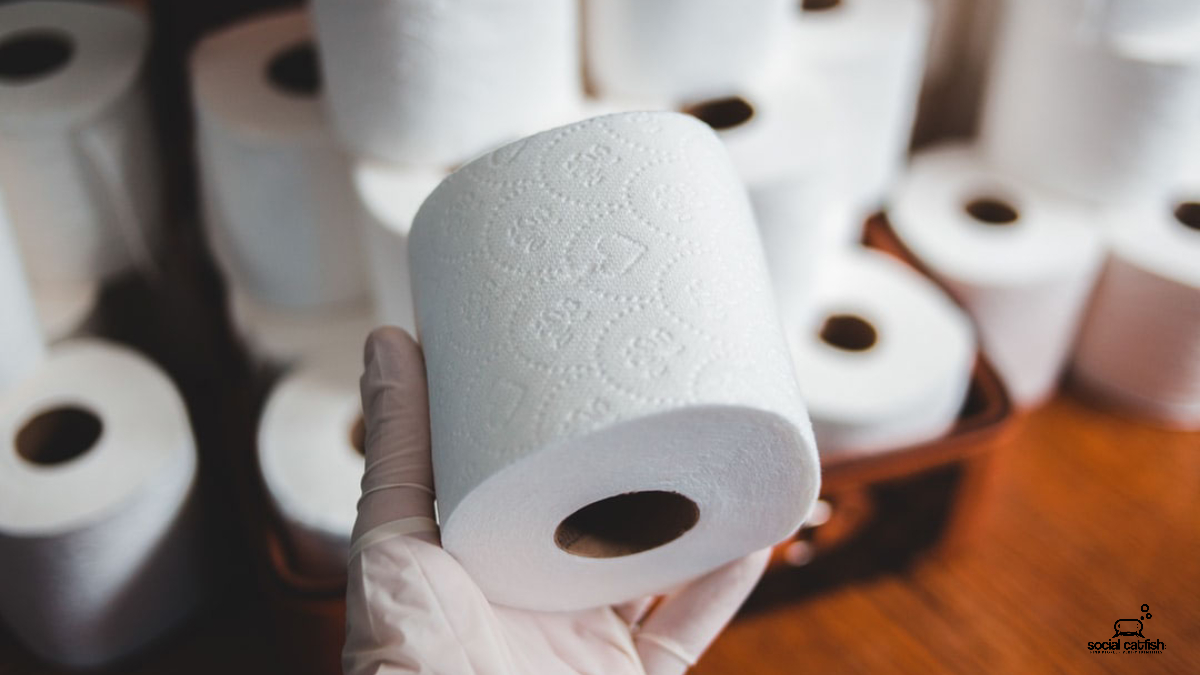
A year ago, people have become desperate in finding essential goods as they run out of supplies. Stores continue to place “Sold Out” signs on toilet paper, cleaning products, and vitamins that we need to get through COVID-19. Whenever people shop online or in person, they usually grab the first toilet paper pack in stock, knowing that it might be the last one they see in a store for a while. This has made us all vulnerable to scammers as they open up online stores, and trick us into coronavirus shopping scams. However, a year later, we are still seeing the majority of these scams continue.

What Types of Coronavirus Shopping Scams Are There?
The Price Gouging Scam
The price-gouging scam is when a retailer marks the original price of an essential good item up by a lot, knowing that there is limited stock on the item and people are desperate to obtain this item so they will buy it anyways.
The law varies state by state on what defines price gouging, so for the purpose of this article, we will go by the California Penal Code. This code states that there has to be a declared emergency and prices have to jump up 10% to be defined as price gouging.
The District Attorney of San Diego stated that they determine the level of crime by comparing the price of the item before the coronavirus versus what the price is now. They then let the business know that they are price gouging which is illegal, and most businesses usually comply. Some store owners claim that the price came from the manufacturer or distributor itself.
The Department of Justice is on the lookout for people who have mass quantities of essential supplies either beyond the limit of normal use, or those looking to make a profit off of it. Amazon has had to remove half a million items for sale on its website due to price gouging and has suspended 6,000 accounts.
The Undelivered Goods Scam
The undelivered goods scam is when scammers sell essential goods online and allow people to purchase them. The buyer then puts in their financial information and purchases the product, but yet doesn’t receive the said product. The scammer then takes the money that was used to purchase the product and doesn’t send anything in return, stealing the purchaser’s funds.
Shipping Time-Limit: Because of this scam, sellers are obliged by law to either give you an estimated shipping date or to ship your products out to you within 30 days. There is an exception for customers who opened a credit card account in order to purchase a product, which gives sellers a 50-day window to ship your product.
Delay: If there is a delay in the expected shipping date, the company you purchased the product from must notify you. If the delay is 30 days or less with no response from you, that means you accept the delay of your item. If the delay is more than 30 days with no response from you, then the item must be canceled and the money must be refunded back to your account. If the company can not meet the revised date, it must notify you again.

The Puppy Scam
Scammers are creating fake pet websites, claiming that they sell pets for a too-good-to-be-true price to interested customers. These customers become excited and express their interest in buying a puppy or other pets that the website claims they have for sale. The scammer asks them for their personal information and financial information in order to purchase these pets.
The victim hands over their information to the scammer, but that’s not enough for the scammer to be done with them. The victim asks to see the pet, but due to the coronavirus, the scammer states the victims can’t see their pets unless they are shipped over to them. Now, the victim needs to supposedly pay a hefty shipping fee in order to get the animal they purchased.
After they paid the hefty shipping fee and hundreds of dollars for the pet they think they are going to get, they are shocked to receive an email. This email includes a photo of the pet they supposedly purchased. The scammer then explains in the email that they gave all their personal information and thousands of dollars… for an emailed photo. Apparently, the victim never really bought the pet at all.
Fake COVID-19 Tests and Cures For Sale
Scammers create fake websites claiming that they sell cures for the coronavirus and COVID-19 tests. They also claim that they have the vaccine for sale for anyone that wants to purchase it. Victims look at the too-good-be-true prices and can’t believe that these cures and tests are so cheap. They decide that they would like to purchase a test or a cure to try for themselves.
The victims add their personal and financial information to the website in order to purchase the product. The payment information section claims that it needs a random gift card number from any store or a wire transfer. Confused, the victims go through with the purchase anyway and buy the items.
However, the victims become very disappointed in the scammer’s website. They either receive fake cures that don’t work with the coronavirus or they don’t receive any at all. They are then out hundreds of dollars due to being tricked by a scammer.

How to Avoid Coronavirus Shopping Scams
- Research the company’s reputation before ordering. This will allow you to see if they will scam you with pricing or not delivering your product. If they have good reviews and deliver everything with no hassle, you are good to shop there.
- Make sure you get a shipment date. This will give you peace of mind that your product will deliver by that particular date. If the product doesn’t get to you by that date, you also know to contact the company and ask where your package is.
- Keep the receipt of the product you bought. This will allow for the company to pull up your records to see how much you bought the product for and where your package is. You can also use this to report the company if they are scamming you.
- Track your purchases if bought online. This will show you where your product is so that you can worry less when waiting for your package.
- Be careful when buying cleaning, household, health, or medical supplies. These are the items that have been most involved with price gouging and undelivered goods scams.
- Shop at big-name stores you trust. When shopping at a trusted store, it is least likely that you’ll run into any coronavirus shopping scams.
- Plan to buy a product ahead of time versus when you’re starting to run out of the product. This will allow you to compare products and think about prices before purchasing the product so that you can ensure you have the best deal. This will also allow you to become less desperate and avoid scammers when shopping for your desired product.
- Compare prices of the product at different stores or online shopping websites. This will allow you to get the best price on the product you are purchasing.
- Discourage people from hoarding products. This will allow for products to come back in stock quicker, and for price gouging scams to simmer down since the product would be more accessible.
- Report any price gouging or undelivered goods to the FTC. This will allow businesses and scammers to stop what they are doing before criminal action is enacted against them.
If you think you have encountered a scammer while online shopping and have their information, you can reverse search it on Social Catfish to see who you were really purchasing products from! You can reverse search their name, email address, phone number, username, or image on Social Catfish’s website.