
 Multiple Faces Detected


 December 14th, 2023
The significance of visual content cannot be overstated. As the demand for captivating images intensifies, individuals and businesses alike find themselves navigating the intricate realm of image search and copyright. In this blog post, we delve into the crucial aspects of safeguarding your visual assets in a world where digital imagery plays a pivotal role in communication and storytelling. From understanding the intricacies of image search algorithms to implementing effective strategies for copyright protection, we unravel the complexities surrounding visual content to empower creators and users alike in preserving the integrity of their digital creations. Join us on a journey through the nuanced intersection of images and copyright, and discover practical insights on how to fortify your visual assets in an era dominated by the relentless flow of digital information.
Demystifying Image Search Algorithms: Navigating the Digital Maze
Understanding how image search algorithms operate is crucial for creators and businesses seeking to maximize the visibility of their visual content. Image search algorithms, employed by major search engines like Google, Bing, and others, use advanced technology to analyze and index images based on various factors. These algorithms consider aspects such as image file names, alt text, surrounding text, and even the visual content itself. Demystifying this intricate process involves unraveling the layers of complexity that govern how search engines interpret and present visual information to users.
The first step in navigating the digital maze of image search algorithms is to comprehend the role of metadata and descriptive elements associated with your images. Crafting meaningful file names, providing accurate alt text, and incorporating relevant captions contribute to the algorithmic understanding of your visual assets. This not only enhances the discoverability of your images but also ensures that they are appropriately categorized in search results, reaching the right audience.
Furthermore, the advent of advanced image recognition technology has elevated the capabilities of these algorithms, allowing search engines to identify objects, scenes, and even facial expressions within images. As a result, creators can leverage this technology to optimize their images for specific searches, making it imperative to stay informed about the latest developments in image search algorithms. Navigating the digital maze becomes an ongoing process of adaptation and optimization as technology evolves, underscoring the importance of staying attuned to industry trends and best practices to maintain a competitive edge in the digital landscape.
Copyright Essentials: Protecting Your Creative Investments
Understanding the essentials of copyright is paramount to safeguarding the fruits of creative labor. Copyright law provides creators with a legal framework to protect their intellectual property, granting exclusive rights to reproduce, distribute, and display their work. It’s imperative for individuals and businesses alike to familiarize themselves with the fundamentals of copyright, ensuring that their creative investments are shielded from unauthorized use and exploitation.
One of the key elements of copyright essentials is grasping the concept of automatic protection. In many jurisdictions, the moment a creative work is fixed in a tangible form—be it a photograph, illustration, or written piece—it is automatically protected by copyright. This inherent protection serves as a foundational layer, offering creators immediate rights to control the use of their work without the need for formal registration. However, exploring the benefits of formal registration can further fortify these rights, providing creators with additional legal tools in the event of copyright disputes.
Equally essential is the understanding of licensing options and agreements, which allow creators to dictate how their work is used by others. From exclusive licenses to open-source arrangements, the spectrum of licensing possibilities empowers creators to tailor their terms based on individual preferences and business goals. By navigating the nuanced landscape of copyright law and licensing, creators can not only protect their creative investments but also strategically leverage their works for collaboration, distribution, and commercial success in a rapidly evolving digital marketplace.
Strategies for Watermarking and Metadata: Leaving Your Mark Without Compromising Quality
- Strategic Watermark Placement: Balancing Visibility and Aesthetics Determine the optimal placement for your watermark within your image, ensuring it is noticeable enough to deter unauthorized use while preserving the visual appeal of the content. Consider positioning that minimally interferes with the main subject but is difficult to crop or edit out.
- Customized Watermark Designs: A Branding Opportunity Create a distinctive and visually appealing watermark that not only serves as a protective measure but also contributes to your brand identity. Incorporate elements such as logos, signatures, or unique designs to make your watermark an integral part of your visual content, reinforcing brand recognition.
- Metadata Enrichment: Embedding Ownership Information Leverage the power of metadata by embedding ownership information directly into your image files. This hidden layer of data provides essential details about the creator, copyright status, and usage permissions. Explore tools and software that facilitate easy metadata incorporation to strengthen your claim to ownership.
- Variable Watermarking Intensity: Tailoring Protection to Context Adjust the intensity of your watermark based on the context of use. For public-facing, promotional images, a subtle watermark may suffice, while high-profile or sensitive content might require a more prominent and intrusive watermark to deter misuse effectively.
- Batch Processing for Efficiency: Streamlining the Watermarking Process Save time and maintain consistency by utilizing batch processing tools. These tools allow you to apply watermarks and embed metadata across multiple images simultaneously, ensuring a standardized approach to protecting your visual assets.
- Dynamic Watermarks for Dynamic Content: Combatting Automated Removal Implement dynamic or semi-transparent watermarks that are more resistant to automated removal techniques. These sophisticated watermarks adapt to different areas of an image, making it harder for malicious users to erase or alter them without compromising the overall quality of the content.
- Strategic Licensing: Clarifying Permitted Uses Integrate licensing information directly into your watermark or metadata to communicate clearly the permissions granted for the use of your images. This adds an extra layer of legal protection and informs users about the acceptable ways to utilize your visual assets.
- Regular Monitoring and Updates: Staying Ahead of Unauthorized Use Establish a routine for monitoring the web for potential unauthorized use of your images. Regularly update watermarks, metadata, or licensing information as needed to adapt to changing circumstances and maintain an effective defense against misuse.
Enforcing Copyright: From Detection to Action
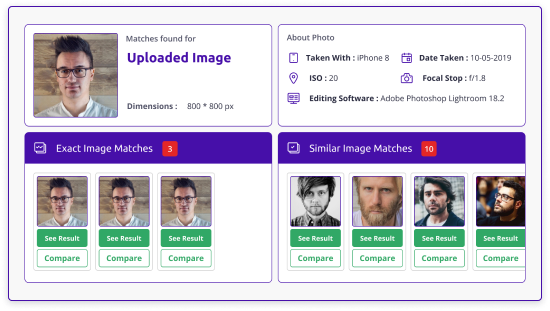
Enforcing copyright in the digital age requires a vigilant approach, from detecting instances of unauthorized use to taking decisive action against infringement. The first step in this process involves employing advanced tools and technologies to monitor the vast expanse of the internet for potential breaches. Utilizing image recognition software and online tracking tools can assist creators in identifying instances where their copyrighted images are being used without permission. Regular monitoring enables a proactive stance, allowing creators to stay ahead of potential copyright violations and take swift action to protect their intellectual property.
Upon detecting unauthorized use, creators can initiate a range of actions to enforce their copyright. One commonly employed strategy is the issuance of Digital Millennium Copyright Act (DMCA) takedown notices. These legal notices, served to online platforms hosting infringing content, request the prompt removal of the copyrighted material. Many platforms have established mechanisms to expedite this process, emphasizing the importance of promptly addressing copyright infringement claims. Additionally, creators may opt for direct communication with the infringing party, seeking resolution through licensing agreements or negotiating the cessation of unauthorized use.
In more severe cases or instances of repeated infringement, pursuing legal action may be necessary. Engaging legal counsel with expertise in intellectual property law can empower creators to navigate the complexities of legal proceedings. This may involve filing a formal lawsuit against the infringing party, seeking damages, and obtaining court-ordered injunctions to halt further unauthorized use. While legal action represents a more intensive approach, it underscores the commitment to defending one’s creative rights and serves as a deterrent to potential infringers. The path from detection to action in enforcing copyright requires a strategic and multifaceted approach, balancing legal recourse with practical solutions to maintain the integrity of creative works in the digital landscape.