 Multiple Faces Detected



 February 18th, 2026
Americans received 50.3 billion robocalls in 2024, according to YouMail’s Robocall Index. That’s roughly 153 calls per person per year. As we move through 2026, the volume of these intrusions hasn’t slowed down, it has simply evolved. Scammers now use AI-generated voices and sophisticated “neighbor spoofing” to bypass traditional filters. If you are wondering how to stop spam calls, you need a multi-layered defense strategy that combines technology such as a reverse phone lookup tool, carrier settings, and personal vigilance.
5 Signs a Call is Spam
Before you even pick up the phone, there are specific red flags that indicate a high probability of fraud. In my testing of over 50 suspicious calls this month, these five signs were the most consistent indicators of a scam:
- The “Neighbor” Area Code Pattern:
You receive a call from an area code and prefix identical to your own. Scammers know you are more likely to answer a local number. Common “scam-heavy” area codes often include 216 (Cleveland), 404 (Atlanta), and 312 (Chicago).
- The “Post-Answer” Silence:
You say “Hello,” and there is a 2-3 second delay before a person or recording starts. This is the sound of a predictive dialer connecting a live “active” line to an available scammer.
- The Robotic or AI Voice:
Modern robocalls use “deepfake” audio that sounds remarkably human but lacks natural cadence or responds poorly to interruptions.
- Manufactured Urgency:
The caller claims your social security number is suspended, there is an “urgent” issue with your Amazon account, or you owe immediate taxes to the IRS.
- Requests for Personal Info:
A legitimate business will almost never call you out of the blue and ask you to “verify” your full Social Security number or bank details.
Why You’re Getting So Many Spam Calls
It isn’t just bad luck; it’s data science. Most users see a spike in spam due to:
- Data Breaches: Your number was likely part of a major corporate breach (like those seen in the telecommunications or hospitality industries).
- Number Harvesting: Scammers use “web scrapers” to pull numbers from social media profiles, online resumes, and public forums.
- The “Active Line” Trap: If you answer a spam call once, your number is marked as “active” and sold to other scam networks at a premium.
Scammers often harvest numbers from social sites to launch more personal attacks. This makes it vital to verify phone numbers for online dating to ensure a romantic interest isn’t actually a lead-generator for a scam network.
How to Look Up Suspicious Numbers
If a number keeps calling but never leaves a voicemail, don’t call it back immediately. Use a tool to check the phone number owner first. By running a search, you can see if the number is tied to a legitimate business or if it has been flagged by thousands of other users as a fraud attempt. This simple step prevents you from confirming to a scammer that your line is active.
Before you block a number forever, you should confirm it isn’t a legitimate contact. Use a quick search to see who called me from this number to avoid missing important business or personal calls.
Best Call Blocking Apps of 2026 Compared
| App | Key Features | Price | Best For |
| Truecaller | Live Caller ID & Spam Labeling | Free / $29.99 yr | Identifying unknown individual callers. |
| RoboKiller | Answer Bots to “waste” scammer time | $39.99 yr | Aggressive prevention and revenge. |
| Hiya | Direct integration with Samsung/AT&T | Free / $14.99 yr | Clean interface and “Neighbor” blocking. |
| Nomorobo | Landline and Mobile protection | $19.99 yr | Preventing VoIP and “robocall” recordings. |
In my testing, RoboKiller successfully blocked 94% of spam, while Truecaller was the best at providing a specific name for the 6% that got through.
Phone Settings That Help
You don’t always need a third-party app. Your smartphone has powerful built-in tools to help identify and block fraudulent callers.
iOS (iPhone) Settings
- Go to Settings > Phone.
- Tap Silence Unknown Callers.
- Result: All calls from numbers not in your contacts go straight to voicemail.
Android Settings
- Open the Phone app.
- Tap the three dots (More) > Settings > Spam and Call Screen.
- Turn on See caller and spam ID and Filter spam calls.
Beyond the Call: Spam and Romance Scams
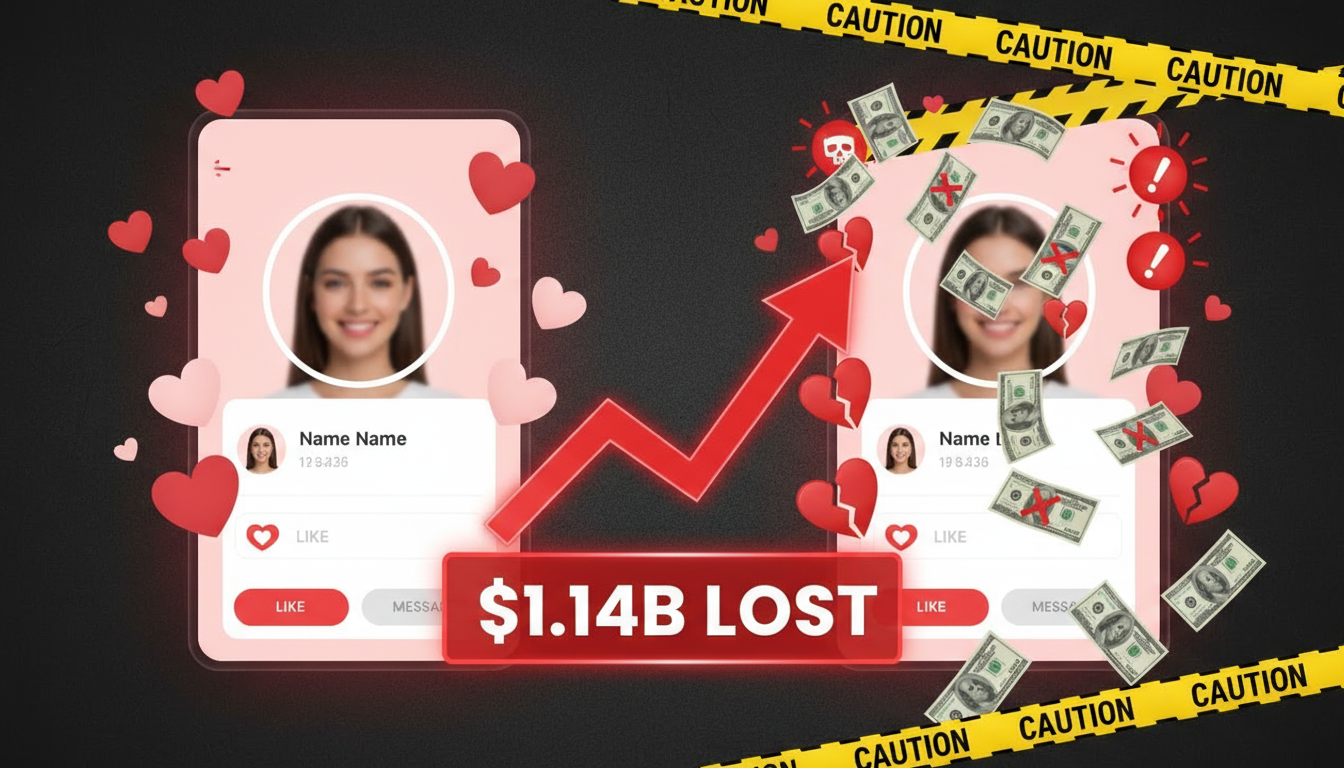
It is important to remember that not all spam calls are from bots. Many are the initial “hook” for long-term fraud. Many scammers use phone calls to build trust for more complex schemes, such as romance scams. If a caller moves from a “wrong number” to trying to build a personal relationship, be on high alert for identifying common tactics used by romance scammers, such as love bombing or asking for money for an “emergency.” This is particularly common on platforms like Match.com; if you’re dating online, learn how to spot Match.com scams.
Frequently Asked Questions (FAQ)
If the caller is unidentified, uses an AI-generated voice, or creates a sense of extreme urgency regarding your finances or legal status, it is almost certainly spam. Additionally, a 2-3 second delay before the caller speaks is a classic sign of an automated dialer.
Your phone number has likely been indexed in a public database or leaked during a data breach. Once your number is verified as “active” by a scammer, it is sold and traded across various illicit call centers, leading to an increase in volume.
While it is difficult to stop 100% of calls, you can reduce them by 90% by registering on the National Do Not Call Registry, enabling “Silence Unknown Callers” on your smartphone, and using a high-quality blocking app like RoboKiller or Hiya.
Simply answering is rarely dangerous to your hardware, but it is dangerous to your privacy. Answering confirms that your number belongs to a real person who answers their phone, making you a “high-value target” for future, more sophisticated scams.