 Multiple Faces Detected


 February 18th, 2026
A phone number lookup can reveal whether the name someone gave you on a dating app matches the name registered to their phone number.
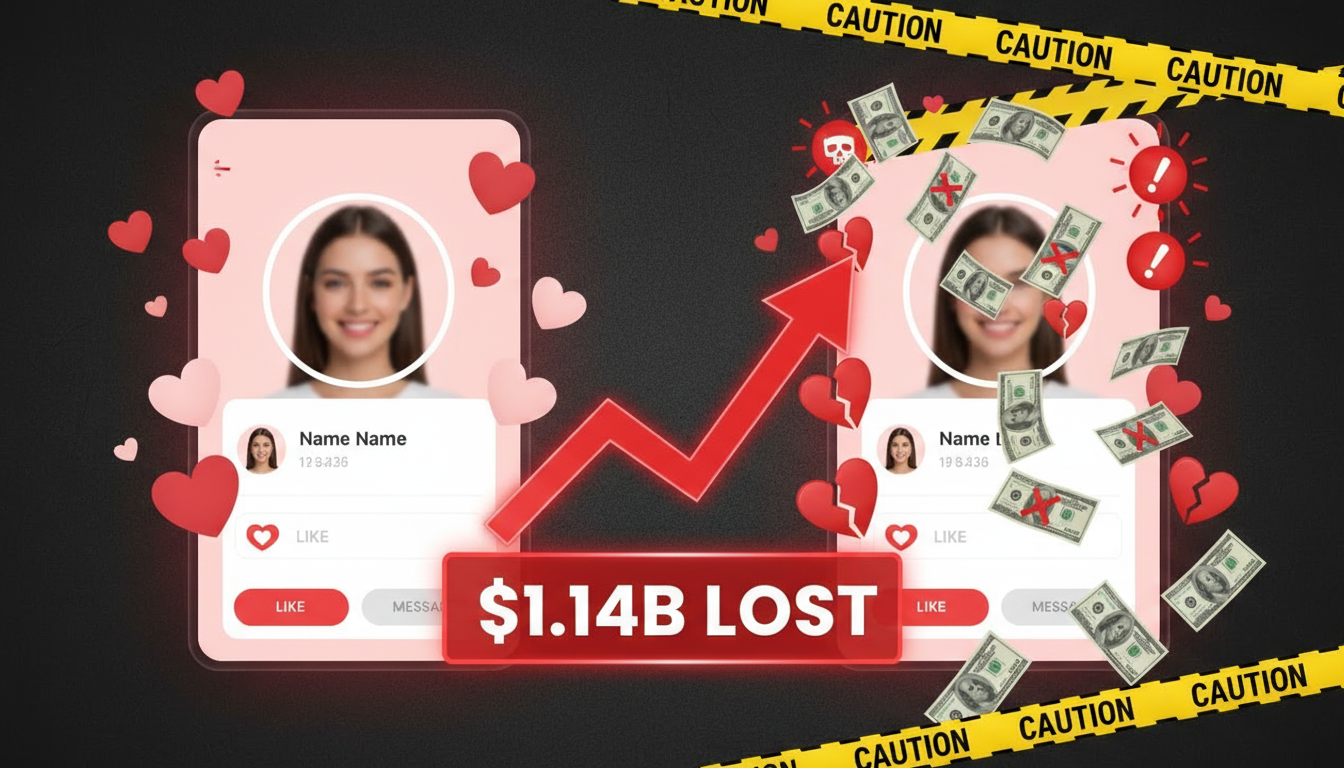
In the world of modern romance, “trust but verify” has become the gold standard for personal safety. With the FBI’s Internet Crime Complaint Center (IC3) reporting that romance scams cost victims over $1.1 billion annually, the stakes of meeting a stranger from an app are higher than ever. Before you move from a digital chat to an in-person meeting, taking two minutes to verify a phone number from online dating can be the difference between a great first date and a dangerous encounter.
Why Verify Before Meeting?
The goal of verification isn’t to be a “private investigator”, it’s to ensure basic honesty. Most online dating interactions are legitimate, but the anonymity of platforms like Tinder, Bumble, and Hinge provides a perfect mask for scammers.
Statistics from the FTC show that romance scammers often use phone numbers as their primary tool to move victims off the dating platform, where the app’s safety filters can no longer protect you. Verifying a number is a proactive way to check for 12 signs you might be getting catfished online before you invest your time or emotions.
Verifying a date’s identity is a proactive safety step, not an invasion of privacy. In fact, reverse phone lookup is legal for this exact purpose: protecting yourself from fraud and catfishing.
What a Phone Lookup Can Reveal
When you run a search on a number provided by a match, you aren’t just looking for a name. You are looking for a “digital footprint” that either confirms or contradicts their story. A professional search can reveal:
- Registered Name: Does the name on the account match “Mike” from the profile?
- Current Location: If they claim to be in your city but the number is registered to a person 2,000 miles away, that’s a red flag.
- Carrier Type: Is it a major carrier (Verizon, AT&T) or a non-fixed VoIP (Google Voice/Burner app)?
- Social Profiles: Professional tools often link phone numbers to Facebook, LinkedIn, or Instagram accounts.
- Age Range: Does the age of the number owner match the photos you’ve seen?
Red Flags in Lookup Results
In my experience analyzing hundreds of verification reports, certain results should give you immediate pause.
- Name Mismatch: The most common red flag. If “Sarah” is actually “John” in public records, you are likely dealing with a romance scammer.
- VoIP or Burner Numbers: While some people use these for privacy, scammers almost exclusively use them. If a search reveals the number is from a “Non-Fixed VoIP” provider, they are hiding their true identity.
- No Results At All: If a number has zero footprint across all data aggregators, it’s likely a newly generated “disposable” number.
Address Discrepancies: They say they are a local business owner, but the phone is registered to a residential address in a different country. This is a classic tactic used by those involved in love con revenge romance scams.
Green Flags That Suggest They’re Real
On the flip side, verification can provide peace of mind. Positive indicators include:
- Consistent Identity: The name, age, and general location match what they told you.
- Established Carrier: A number registered with a major mobile provider for several years suggests a stable, real person.
- Matched Social Presence: Seeing that the number is linked to a LinkedIn or Facebook account that mirrors their dating profile is a high-confidence signal.
A successful search should return a name that matches their profile perfectly. If you want to know more about the accuracy rates of these results, read our expert take on how to find someone’s name by phone number across different carriers.
Other Verification Steps to Combine
A phone lookup is powerful, but it’s most effective when part of a broader safety check. I recommend the following “Safety Stack”:
- Video Call First:
Never meet in person without a FaceTime or Zoom call. If they “can’t” because their camera is broken, you are likely being catfished.
- Reverse Image Search:
Take their profile photos and run a reverse image search to see if they are using a model’s or influencer’s photos.
- Social Media Check:
If you have a name and number, try to find them on social media to see if their “real life” matches their “dating life.”
If you discover you’ve been misled, it’s vital to know what to do if you’re being catfished immediately to protect your finances and your data.
Frequently Asked Questions (FAQ)
Yes. It is a standard safety practice in 2026. Verifying that a person is who they say they are helps prevent fraud and ensures that you are meeting a legitimate person. It is a small step that helps to find out if someone is a catfish.
The most effective way is to use a combination of a reverse phone lookup and a reverse image search. This allows you to cross-reference their contact info with their photos to see if a consistent identity emerges across public records and social media.
Yes, in many cases. Many dating apps sync with phone contacts or social media profiles. Specialized search tools can often identify which social networks or dating platforms a phone number has been associated with in the past.
Look for “Green Flags” like a willingness to video chat, a phone number that is registered to their name, and a lack of love bombing (excessive affection too early). If their phone number shows up as a VoIP line and they refuse to show their face, they are likely not legitimate.