 Multiple Faces Detected


 February 9th, 2026
You matched with someone amazing on Tinder. They’re gorgeous and charming, and they claim to live just 10 miles away. But something feels off. Their stories don’t add up. They say they’re local, but they’ve never heard of that popular coffee shop downtown.
Here’s the truth: they might not be where they say they are.
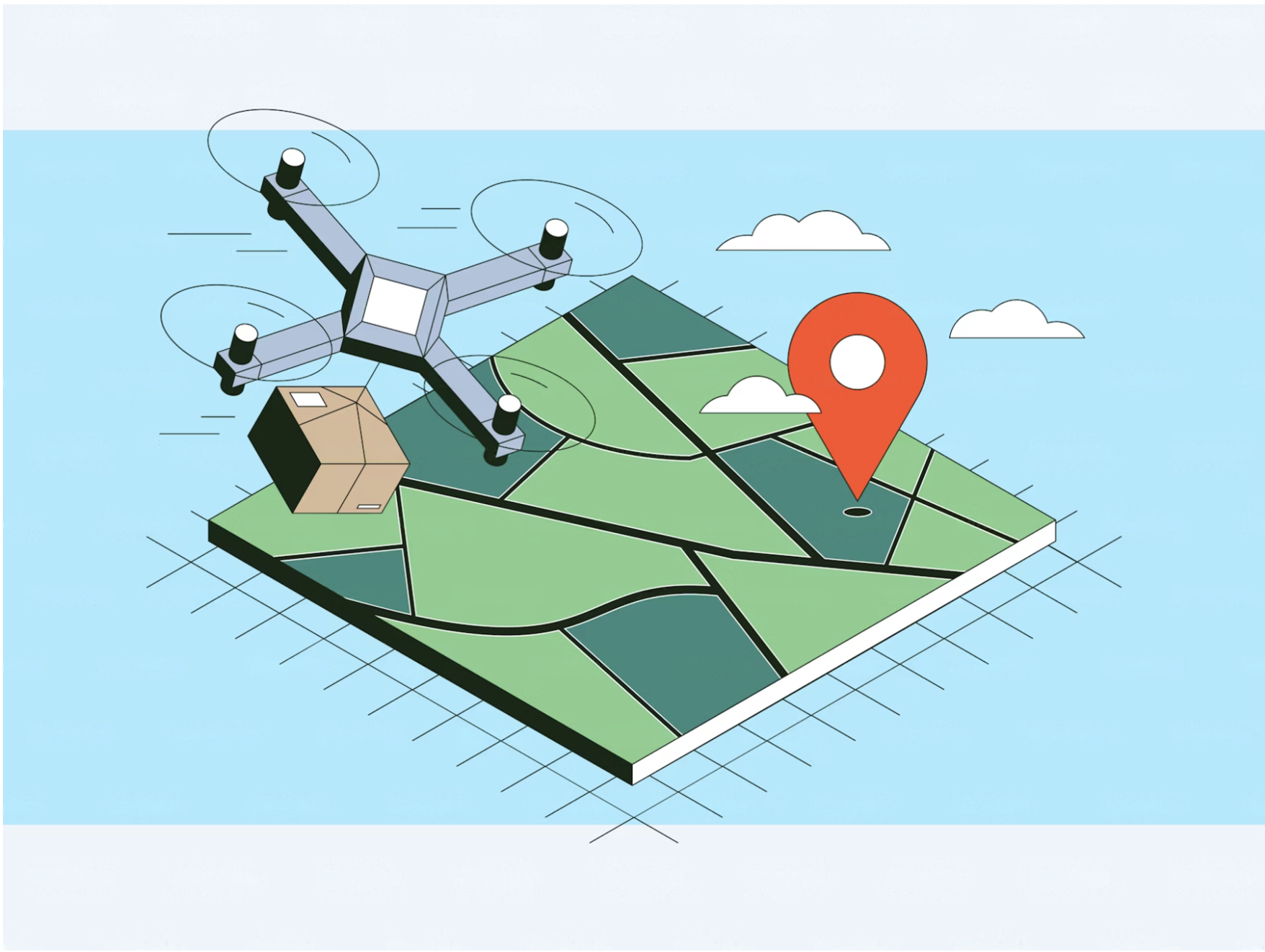
Scammers know how to change location on Tinder. They use it to target victims across the globe while pretending to be your neighbor. And if you don’t know the warning signs, you could be next.
This isn’t just about tech tricks. It’s about protecting yourself from romance scammers who fake their location to build trust, create urgency, and steal your money or personal information. We’ll show you exactly how to change your location on Tinder, why scammers do it, and the red flags that scream “fake.”
Why Would Anyone Want to Change Their Tinder Location?

Not everyone who changes their location is a scammer. Some people have legitimate reasons.
Maybe you’re traveling soon and want to meet people before you arrive. Or you’re moving to a new city and want to scope out the dating scene. Tinder even offers a paid feature called Tinder Passport that lets you swipe in different cities.
But scammers? They have different motives.
They change their location to:
- Cast a wider net and target more victims
- Pretend they’re local to build trust faster
- Avoid detection in their real location
- Run multiple scams in different regions at once
According to the Federal Trade Commission, romance scams cost Americans over $547 million in 2021 alone. And location spoofing is one of the oldest tricks in the book.
How to Change Location on Tinder (The Legit Way)
Let’s start with the official method. Tinder offers a feature called Tinder Passport for paid subscribers. Here’s how it works:
- Upgrade to Tinder Plus, Gold, or Platinum
- Open your profile settings
- Tap “Location” or “Swiping In”
- Select “Add a New Location”
- Choose any city in the world
Simple. Clean. Totally above board.
But here’s the catch: Tinder Passport costs money. And scammers aren’t exactly known for paying for things when they can cheat the system.
How Scammers Fake Their Location on Tinder
Scammers don’t use Tinder Passport. They use sneakier methods that cost nothing and leave fewer traces. Here’s how to change your location on Tinder without paying a dime (and how scammers exploit it):
GPS Spoofing Apps
These apps trick your phone into thinking it’s somewhere else. On Android, scammers enable “Developer Mode” and use apps like Fake GPS Location. On iPhone, they use third-party software that doesn’t require jailbreaking.
The process is shockingly easy. Download the app, pick a location, and boom. Tinder thinks you’re in Paris when you’re actually in Lagos.
VPNs (Virtual Private Networks)
A VPN masks your IP address, making it appear you’re browsing from another country. While VPNs are legitimate privacy tools, scammers use them to hide their real location and avoid getting caught.
Tinder tries to block some VPN servers, but scammers always find workarounds.
Proxy Servers
Like VPNs, proxy servers reroute your internet traffic through a different location. They’re less secure than VPNs but still effective for fooling location-based apps like Tinder.
Changing IP Addresses Manually
Tech-savvy scammers manually change their device’s IP address in their phone settings. It’s more complicated than using an app, but it works.
The bottom line? If a scammer wants to fake their location, they will. And they’re getting better at it every day.
Red Flags That Someone Is Faking Their Location
Now that you know how to change location on Tinder, let’s talk about spotting the fakes. Here are the warning signs:
They Claim to Be Local But Don’t Know Basic Landmarks
Ask them about a popular restaurant or park in your area. If they dodge the question or give vague answers, that’s a red flag.
Their Photos Don’t Match the Location
Check the background of their photos. Do they show landmarks from another country? Different weather? Pay attention to details.
They Avoid Video Calls
Scammers hate video calls because it’s harder to fake your location on camera. If they always have an excuse, be suspicious.
They Move Around Too Much
One day, they’re in New York. The next day, they’re in London. Then suddenly they’re back in your city. Real people don’t teleport.
They Ask for Money or Gift Cards
This is the biggest red flag of all. If someone you’ve never met in person asks for money, run. Block them. Report them. Don’t look back.
Romance scammers often claim they need money for:
- Medical emergencies
- Travel expenses to visit you
- Business investments
- Customs fees for packages
It’s all lies. Don’t fall for it.
How to Protect Yourself from Location-Faking Scammers
You can’t control what scammers do, but you can control how you respond. Here’s how to stay safe:
Use Social Catfish to Verify Their Identity
Before you get emotionally invested, do a background check. Social Catfish specializes in uncovering fake profiles and verifying identities. You can search by photo, phone number, email, or username.
It’s the fastest way to find out if someone is who they claim to be. And it could save you thousands of dollars and a broken heart.
Reverse Image Search Their Photos
Use Social Catfish’s reverse image search to see if their photos appear elsewhere online. Scammers often steal photos from models, influencers, or random social media accounts.
Ask Location-Specific Questions
Test their knowledge. Ask about local events, traffic patterns, or neighborhood names. Real locals will answer easily. Scammers will stumble.
Insist on Video Calls Early
Don’t wait weeks to video chat. If they’re real and interested, they’ll agree. If they’re fake, they’ll make excuses.
Never Send Money
No matter how convincing their story is, don’t send money to someone you’ve never met in person. Period.
Check Their Phone Number
If they give you a phone number, run it through Social Catfish’s reverse phone lookup. You might discover it’s linked to scam reports or registered in a completely different country.
Look for Other Dating Profiles
Scammers often run multiple profiles across different platforms. Use Social Catfish’s dating profile search to see if they’re active on other sites with different information.
Why Scammers Love Tinder

Tinder is a goldmine for scammers. Why?
- Millions of active users
- Easy to create fake profiles
- People are looking for connection (and more vulnerable)
- Location-based matching builds false trust
Scammers know that if they can convince you they’re nearby, you’re more likely to believe everything else they say. It’s psychological manipulation at its finest.
And it works. According to research on romance scams, victims lose an average of $2,000 per scam. Some lose much more.
What to Do If You’ve Been Scammed
If you suspect you’ve been talking to a scammer, here’s what to do:
- Stop all communication immediately
- Block them on Tinder and all other platforms
- Report them to Tinder
- Report the scam to the FTC at ReportFraud.ftc.gov
- Contact your bank if you sent money
- Run a search on Social Catfish to gather evidence
Don’t feel embarrassed. Scammers are professionals. They know exactly what to say and how to manipulate emotions. You’re not alone, and it’s not your fault.
Staying Safe While Swiping
Tinder can be a great way to meet people. But you need to stay alert.
Remember:
- Scammers know how to change location on Tinder
- They use GPS spoofing, VPNs, and other tricks
- Red flags include avoiding video calls, asking for money, and not knowing local details
- Always verify someone’s identity before getting emotionally invested
Social Catfish makes it easy to spot fake profiles and protect yourself from dating app scams. Whether you’re searching by photo, phone number, or username, you’ll get the answers you need fast.
Don’t let a scammer ruin your dating experience. Stay smart, stay safe, and trust your gut. If something feels off, it probably is.