Multiple Faces Detected


 May 8th, 2025
- The Methods Used to Sell Counterfeit Designer Bags
- They Make Their Pages Look Like Popular Influencer Shops
- Stealing Photos and Descriptions from Real Brands
- Using Fake Reviews and Comments to Convince You
- They Create Pressure So You’ll Buy Without Thinking
- They Avoid Safe Payment Options
- Scammers Vanish After They Get Your Money
- Some Try to Be Honest About Selling “Replicas”
- How to Protect Yourself from Fake Designer Bag Scams?
- Are Instagram, TikTok, and Facebook Doing Enough to Stop Scammers?
- Think the Seller Was Fake? Get Help Fast
The fake designer bags market is growing fast. In 2024, it was worth $33.79 billion, and by 2025, it will have reached $35.83 billion. Experts say it could go beyond $60 billion by 2034. With that much money at stake, it’s no surprise that scammers are trying to get a piece of it.
Social media has become one of the easiest places to spread fake designer bag scams. These sellers create posts that look real, steal photos from brand websites, and set up pages that seem trustworthy. It’s getting harder to tell what’s fake and what’s not.
Here’s how these scams work and what you can do to protect yourself.
The Methods Used to Sell Counterfeit Designer Bags
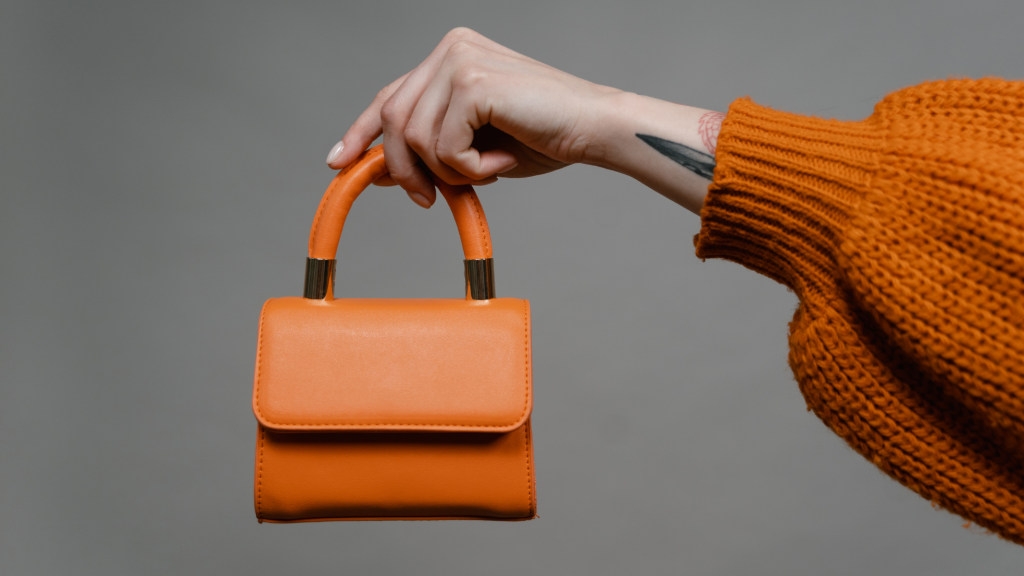
Scammers go to great lengths to make their bags look real, from fake reviews to stolen photos.
Here’s what to look out for in safe online shopping practices:
They Make Their Pages Look Like Popular Influencer Shops
Scammers don’t hide behind fake shopping websites anymore. Instead, they build clean, stylish pages that look like real online fashion shops. You’ll see pretty product photos, trendy reels, and even fake “customer” pictures showing people wearing their bags.
They do this because they know people trust what looks familiar. If their page looks like the ones you already follow, with lots of followers and a polished vibe, it’s easier for you to believe they’re legit.
Before trusting what you see, try a reverse image search to find out if their photos are copied from designer websites, resale platforms, or fashion blogs.
Stealing Photos and Descriptions from Real Brands
Most of these scammers don’t even bother taking their photos. They just copy pictures, product names, and even descriptions straight from real designer websites.
When you look at the post and compare it to the real thing, it looks exactly the same. But after you pay, they send you a cheap knockoff or nothing at all.
Using Fake Reviews and Comments to Convince You
Their posts are full of fake comments like “So happy with mine!” or “Looks just like the real thing!” Most of these are written by bots or bought from fake engagement websites.
They’ll also post fake customer highlights with pictures of people holding bags, but those photos are usually stolen from other real buyers or fashion bloggers.
Not sure if that influencer-looking page is legit? Run a reverse username search to verify their Instagram or TikTok handle.
They Create Pressure So You’ll Buy Without Thinking
You’ll often see phrases like “Only 3 left!” or “DM before midnight for 40% off.” That’s not a great deal; it’s a trick.
They’re trying to make you rush. When you feel like you’re about to miss out, you’re less likely to stop and double-check if the seller is real. Before sending money, it’s smart to run a name lookup search and check for any red flags tied to the seller’s name or business.
They Avoid Safe Payment Options
One major red flag is when the seller asks you to pay through Venmo, Cash App, Zelle, or crypto. Why? Because those payments are nearly impossible to get back once you send them.
Real businesses will let you pay with credit cards or PayPal, which offer buyer protection. If someone pushes you to use a direct payment app, it’s safer to walk away.
When money’s involved, especially through risky payment apps, a little research can save you a lot of regret. Before sending money, you can use tools like Social Catfish’s reverse lookup to check if their phone number, email, or username is connected to known scams.
Scammers Vanish After They Get Your Money
Once you realize the bag is fake and try to message them, they stop responding. They might delete your comment, block you, or even shut down the whole account.
These scams are made to be fast and hard to trace. That’s why catching the signs early is so important before you ever hit “buy.”
Some Try to Be Honest About Selling “Replicas”
Some sellers try a different trick. They say they’re not selling real bags but “high-quality replicas.” That might sound more honest, but it’s still illegal.
Even if the bag looks okay in the photos, you could still end up with something cheap, damaged, or fake. And just like the others, these sellers might disappear after you pay.
Social Catfish tools let you search billions of hard-to-find records to verify images, social media profiles, emails, and usernames all in one place. Explore our tools or verify a social media profile before trusting a seller online.
How to Protect Yourself from Fake Designer Bag Scams?
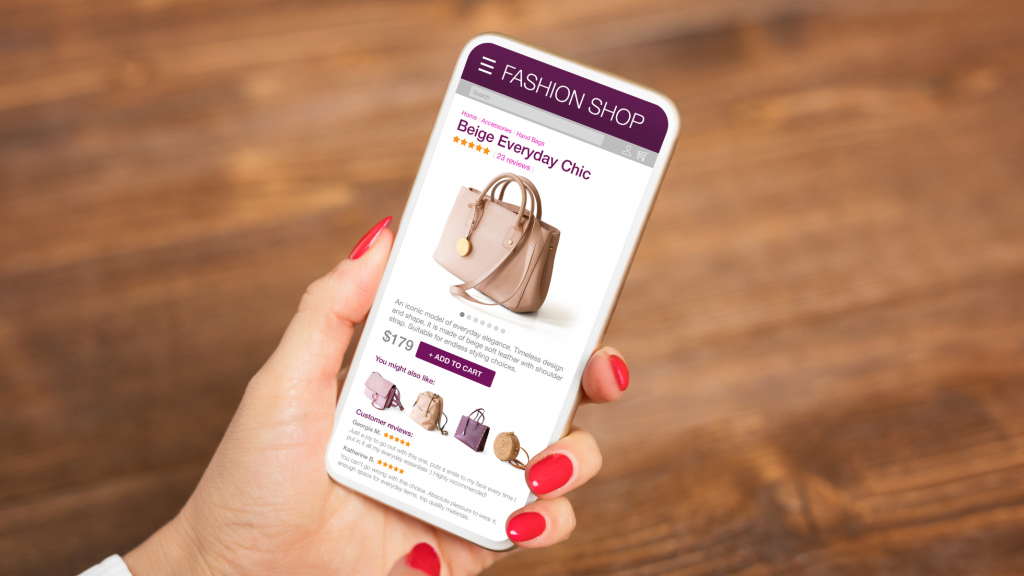
Before you click “buy,” take a few simple steps to make sure the seller is actually legit. These quick checks can save you from losing money and ending up with a fake:
- Check the account details. Look at when the page was created, how often they post, and if their engagement feels real. Generic usernames and stock profile pictures are red flags.
- Ask for detailed photos. Real sellers won’t hesitate to show stitching, tags, zippers, and interior shots. Blurry photos or excuses are a sign to move on.
- Use Social Catfish’s Reverse image search to check if the photos they’re using appear on other websites, especially designer sites or forums.
- Research reviews outside the page. Search the store name or account handle along with the word “scam” and see what comes up.
- Stick to trusted retailers. If you’re buying pre-owned, go through verified resellers.
Are Instagram, TikTok, and Facebook Doing Enough to Stop Scammers?
With so many fake designer bags being sold on social media, you might wonder if platforms like Instagram, TikTok, and Facebook are actually doing anything to stop it.
What They Say They’re Doing
These platforms say they’re working on it. Instagram and Facebook (both owned by Meta) claim they use special tools to find and remove fake ads and ban accounts selling counterfeit goods.
But the problem is, it’s still really easy for scammers to slip through the cracks. They can create new accounts in minutes, run disappearing stories, and avoid detection with code words and emojis.
Instagram, in particular, is full of polished pages that seem real at first glance. To stay ahead of these tricks, visit our Instagram page, where we share scam alerts, red flags, and real examples to help you spot fake accounts before it’s too late.
How Scammers Keep Coming Back
The biggest issue? Scammers can just make a new account if one gets deleted. It takes them just a few minutes. They also:
- Post limited-time “stories” instead of regular posts so they disappear quickly.
- Use code words or emojis to avoid getting caught by filters.
- Run fake ads that look super-professional until someone reports them.
Because of all these tricks, social media platforms find it challenging to keep up. Want real stories and step-by-step scam prevention tips? Check out our YouTube channel for expert advice and real case breakdowns.
Think the Seller Was Fake? Get Help Fast
If you’ve already bought a bag and something feels off, or you’re talking to a seller and just want to be sure they’re legit, you don’t have to figure it out on your own.
Social Catfish has a Search Specialist service that connects you with real private investigators. We can help you check if a seller is legit, trace online accounts, or even look into someone you’re suspicious about.
Real feedback from someone we helped:
“Erin was very friendly but professional and got right to the point .I didn’t have to wait hardly at all and everything was taken care of within a minute or two cuz I didn’t understand some of the directions but she made it very clear to me and I appreciate it very much” – Steven