Multiple Faces Detected


 January 21st, 2026
You get a message from someone who shares your background. They speak your language. They understand your traditions. They seem to “get” you in ways others don’t.
But here’s the thing. That connection you feel? It might be fake.
Scammers are getting smarter. They’re no longer casting wide nets. Instead, they’re studying cultural identity and using it as a weapon. They research communities, learn customs, and craft messages that feel authentic to specific groups.
This isn’t your typical “Nigerian prince” email. These are sophisticated operations that target people based on their heritage, beliefs, and cultural values. And they’re working.
What Is Cultural Identity and Why Scammers Target It
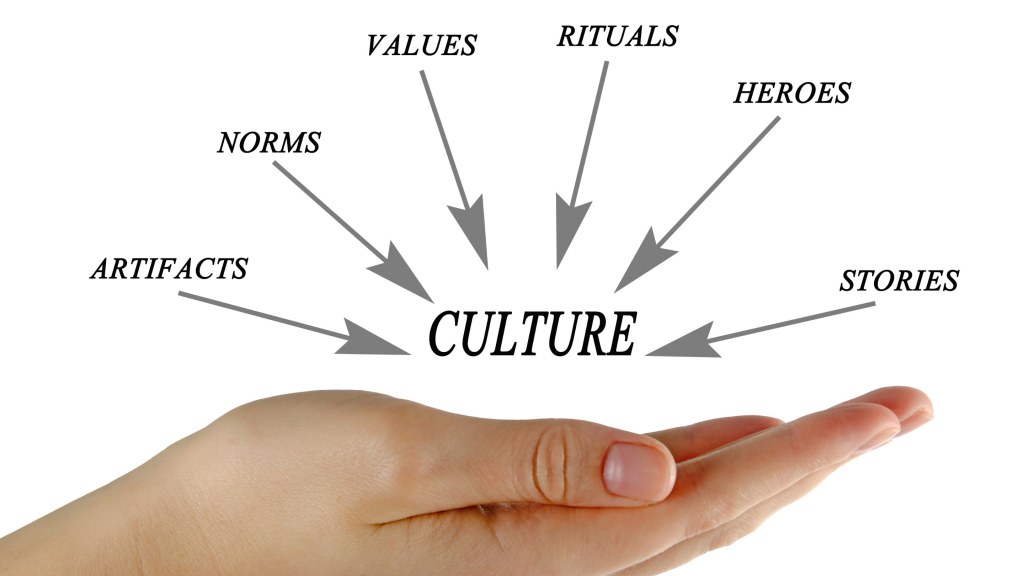
What is cultural identity? It’s the sense of belonging to a particular group based on shared characteristics like ethnicity, religion, language, or traditions. Your cultural identity shapes how you see the world, who you trust, and what feels familiar.
Scammers know this. They exploit these deep connections because cultural bonds create instant trust. When someone appears to share your background, your guard drops. That’s exactly what fraudsters count on.
According to the Federal Trade Commission, Americans lost over $12.5 billion to fraud in 2024—a 25% increase from the previous year. While not all of these losses stem from culturally-targeted scams, experts note that personalized approaches are becoming increasingly common.
How Scammers Research and Target Cultural Groups
Modern fraudsters don’t work blindly. They study their targets like anthropologists. Here’s how they do it:
Social Media Mining
Scammers scroll through Facebook groups, Instagram posts, and community forums. They learn about holidays, family structures, and common concerns within specific cultures. A romance scammer targeting someone from a traditional family might emphasize marriage and children. Someone targeting immigrants might focus on helping family back home.
Language Patterns
They pick up on how different communities communicate. Certain phrases, greetings, or expressions that feel authentic to insiders. This isn’t just about speaking the language – it’s about speaking it the right way.
Cultural Events and Timing
Fraudsters time their approaches around cultural holidays or significant events. They might reach out during Ramadan, Chinese New Year, or Diwali with messages that reference these occasions.
The risks of sharing personal information online become even greater when scammers can piece together your cultural background from your digital footprint.
Common Cultural Identity Scams
Romance Scams with Cultural Twists
Traditional romance scams get a cultural makeover. Scammers create profiles that match their target’s cultural preferences. They might claim to be from the same country, practice the same religion, or share similar family values.
These scammers often possess sufficient knowledge of cultural dating norms to appear legitimate. They understand concepts such as arranged marriages, family approval, and religious compatibility. This knowledge helps them build deeper emotional connections.
If you suspect you’re being targeted, check out this guide on what to do if you’re being catfished.
Investment Scams Targeting Specific Communities
Cryptocurrency and investment scams increasingly target cultural communities. Scammers might approach members of immigrant communities with promises of helping them build wealth to support their families abroad. They understand the cultural pressure to succeed financially and exploit it.
These schemes often involve bait and switch consequences, where initial small returns build trust before larger investments disappear.
Religious and Spiritual Fraud
Some scammers pose as religious leaders or spiritual advisors. They target people based on their faith, offering prayers, blessings, or spiritual guidance – for a fee. These scams are particularly harmful because they violate sacred trust.
Family Emergency Scams
The classic “grandparent scam” gets cultural updates. Scammers research family structures common in different cultures. They might target cultures where extended family support is expected, claiming a distant relative needs urgent help.
The Psychology Behind Cultural Targeting
What is cultural identity from a psychological perspective? It’s part of our core sense of self. When scammers tap into this, they’re accessing something fundamental about who we are.
Research shows that people are more likely to trust others who share their cultural background. This is called “in-group bias.” Scammers exploit this by presenting themselves as part of your cultural in-group.
The fraud triangle—opportunity, pressure, and rationalization—becomes more powerful when cultural elements are involved. The pressure might be cultural expectations to succeed. The rationalization might be helping your community. The opportunity comes from the trust that cultural connection creates.
Cultural cognition theory explains why people process information differently based on their cultural values. Individuals interpret facts through the lens of their cultural worldview, making them more susceptible to scams that align with their cultural beliefs.
Red Flags to Watch For
Too Perfect Cultural Match
Be suspicious if someone online seems to match your cultural background perfectly. Real people have nuances and differences, even within the same culture.
Immediate Cultural References
Scammers often overuse cultural references to establish credibility quickly. Authentic connections develop naturally.
Pressure Using Cultural Values
Watch for messages that utilize your cultural values to create a sense of urgency. “In our culture, family comes first,” followed by a request for money, is a red flag.
Limited Cultural Knowledge
Despite initial appearances, scammers often demonstrate a limited understanding of cultural nuances. Ask specific questions about traditions, local customs, or recent cultural events.
Protecting Yourself and Your Community
Verify Identity Thoroughly
Don’t rely on cultural markers alone to verify someone’s identity. Use Social Catfish to run comprehensive background checks. Their reverse image search and social media investigation tools can help you verify if someone is who they claim to be.
Understand Common Tactics
Learn about financial scams and fraud prevention techniques. Knowledge is your best defense against culturally-targeted fraud.
Be Cautious with Personal Information
Limit what you share about your cultural background online. Review your social media privacy settings and be aware of the risks associated with sharing personal information in online forums.
Protect Your Identity
Consider identity theft protection services, especially if you’re active in online cultural communities where personal information might be more visible.
When Technology Makes It Worse
Artificial intelligence is making cultural targeting more sophisticated. Scammers can now use AI to:
- Generate culturally appropriate content at scale
- Translate messages while maintaining cultural nuances
- Create deepfake videos featuring people who look like they’re from specific ethnic backgrounds
- Analyze social media to identify cultural markers automatically
Click fraud protection becomes important as scammers use targeted ads to reach specific cultural communities.
Building Community Awareness

Share Knowledge
Discuss these tactics with family and friends. Cultural communities often have strong communication networks – use them for protection.
Report Suspicious Activity
Report culturally-targeted scams to authorities. This helps law enforcement understand emerging patterns.
Support Victims
Remove stigma around scam victimization in your community. People need to feel safe reporting these crimes.
Your Best Defense Against Cultural Identity Fraud
Cultural identity makes us human. It connects us to our heritage and community. But scammers are weaponizing these connections.
The solution isn’t to abandon your cultural identity or stop connecting with others online. Instead, it’s about being aware that scammers study and exploit cultural bonds.
Trust your instincts. If something feels off, investigate further. Use tools like reverse phone lookup to verify contact information. Learn how to verify if a phone number is genuine before engaging with unknown contacts.
Remember: authentic cultural connections develop naturally over time. Scammers rush the process because they need to strike before you have time to think critically.
Your cultural identity is precious. Don’t let scammers steal it from you.