 Multiple Faces Detected


 November 6th, 2025
You check your phone. There’s a text claiming to be from the DMV.
It says you owe money for an overdue traffic ticket. Pay now or face serious consequences like license suspension, vehicle registration cancellation, and even prosecution.
Sounds urgent, right? That’s exactly what the scammers want.
The DMV text scam has exploded across the United States in 2025, targeting millions of drivers with fake enforcement penalties. State DMVs from California to Virginia have issued warnings. But people keep falling for it.
Why? Because the texts look real. And they prey on fear.
How the DMV Text Scam Works
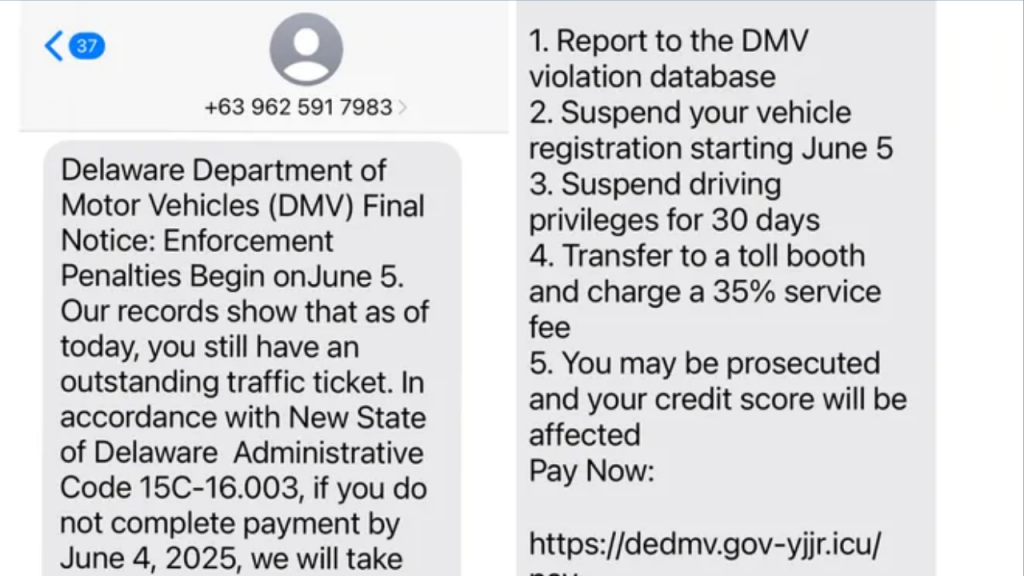
The DMV text scam follows a simple playbook. You receive an unsolicited text message claiming to be from your state’s Department of Motor Vehicles. The message warns you about an “overdue traffic ticket” or unpaid fine that requires immediate payment.
Here’s what these fraudulent texts typically include:
- Threatening language about “final notices” or enforcement actions
- Warnings about license suspension within days
- Claims they’ll report you to a “DMV violation database”
- Threats to suspend your vehicle registration
- Mentions of additional service fees (often 35% extra)
- A link directing you to a fake payment website
- Instructions to “Reply Y” or copy the link to your browser
The Federal Trade Commission reports that these texts may even threaten to prosecute you and damage your credit score. But it’s all fake.
No state DMV in America sends enforcement notices or payment demands via text message. Period.
Why This Scam Is So Effective
These scammers know exactly what they’re doing. They create panic, so you act before thinking.
The texts appear legitimate at first glance. They use official-sounding language. They reference real DMV procedures. And they exploit the fact that most people don’t know how their state DMV actually communicates.
Americans received 19.2 billion automated spam texts in April 2025 alone. That’s 63 spam texts for every person in the country.
The DMV text scam is just one piece of a much larger problem. Phishing scams cost Americans over $12 billion in 2024, a $2 billion increase from the previous year.
These criminals aren’t just after the small “fine” you think you owe. They want your credit card information. Once you enter your payment details on their fake website, they’ll often tell you the payment failed. Then they ask you to try another card.
Now they have multiple credit card numbers to use for fraudulent purchases.
Red Flags to Spot a DMV Text Scam
Recognizing a DMV text scam is your first line of defense. Watch for these warning signs:
Urgency is always a red flag. Legitimate government agencies don’t demand immediate action via text. They send official mail.
Check the sender. Does the text originate from an unusual phone number? Maybe one starting with +63 (Philippines) or another international code? Real DMVs use official channels, not random numbers or email addresses disguised as texts.
Look at the language. Poor grammar, spelling errors, or odd phrasing often indicate a scam. Government communications are professionally written.
Suspicious links. If you’re told to “Reply Y and reopen this message” to click a link, it’s definitely a scam. Your phone blocks suspicious links by default, and scammers know this.
No legitimate verification. Real DMV notices include specific information about violations, dates, locations, and case numbers. Vague threats without details are a major red flag.
If you’re unsure whether a DMV communication is genuine, don’t click on anything. Look up the official DMV phone number for your state and call them directly.
What Scammers Want From You
The goal of the DMV text scam is simple: steal your money and personal information.
When you click the link in the text, you’re directed to a fake website designed to look like an official DMV payment portal. These sites ask for:
- Credit or debit card numbers
- Bank account information
- Social Security numbers
- Driver’s license numbers
- Home addresses
- Email addresses and passwords
Once scammers have this data, they can:
- Make fraudulent purchases using your cards
- Open new credit accounts in your name
- Sell your information to other criminals
- Drain your bank account
- Commit identity theft
Known as “smishing” (SMS phishing), these text-based scams have become increasingly sophisticated. One Chinese cybercriminal group reportedly began offering phishing kits specifically designed to spoof state DMVs and toll operators in early 2025.
The FBI and Federal Trade Commission have both intervened to warn the public about this growing threat.
Steps to Take If You Receive a DMV Text Scam
Don’t panic if you get one of these texts. Here’s exactly what to do:
Don’t click any links. This is the most important step. Don’t tap, don’t “Reply Y,” and don’t copy the link into your browser.
Don’t respond at all. Even if the text says you can “text STOP” to unsubscribe, don’t do it. Responding confirms your number is active, making you a target for more scams.
Verify independently. If you’re concerned the message might be real, contact your state’s DMV directly using a phone number listed on their official website. Never use contact information from a suspicious text.
Report it. Forward the scam text to 7726 (SPAM). This helps your wireless carrier identify and block similar messages. You can also report the scam to the Federal Trade Commission and file a complaint with the FBI’s Internet Crime Complaint Center.
Delete the message. Once you’ve reported it, delete it from your phone immediately.
Check for similar scams. Be on alert for related phishing attempts. Scammers often use toll road scams in conjunction with DMV scams to cast a wider net.
What to Do If You Already Clicked
If you clicked the link or entered your information, act fast:
Call your bank immediately. Contact your bank or credit card issuer using the number on the back of your card. Explain what happened and request a new card. Don’t use any phone number provided in the suspicious text.
Monitor your accounts. Check your bank statements, credit card statements, and credit reports for unusual activity. You can get free credit reports weekly from the three major bureaus at annualcreditreport.com.
Freeze your credit. A credit freeze prevents scammers from opening new accounts in your name. Contact Equifax, Experian, and TransUnion directly to freeze your credit for free.
Change your passwords. If you entered login credentials, change passwords immediately. Start with financial accounts and email.
File a police report. If you lost money, file a report with local law enforcement. You’ll need this documentation to dispute fraudulent charges.
Report identity theft. Visit IdentityTheft.gov for guidance on recovering from identity theft.
How Social Catfish Can Help
When you’re dealing with a DMV text scam or any suspicious communication, you need reliable tools to verify who’s really contacting you.
Social Catfish specializes in uncovering the truth behind suspicious phone numbers, fake profiles, and online scams. Their reverse phone lookup tool can help you identify whether a phone number is real or linked to known scammers.
The platform goes beyond basic searches. You can investigate suspicious phone numbers tied to scam calls, verify identities using reverse image searches, and even track down hidden social media profiles.
If you’ve received what you suspect is a DMV text scam, Social Catfish’s comprehensive search tools can help you verify the source before you risk your personal information. Their database includes millions of records, making it easier to spot fraudulent callers and text scammers.
Prevention is always better than recovery. Social Catfish gives you the power to investigate before becoming a victim.
Protecting Yourself from Future Scams

The DMV text scam won’t disappear anytime soon. But you can make yourself a harder target.
Register with the National Do Not Call Registry. While it won’t stop all scam texts, it reduces your exposure to some automated systems.
Use spam filters. Enable your phone’s built-in spam detection. Both iPhone and Android devices offer tools to filter suspicious texts and block unknown callers.
Never share personal information via text. Legitimate organizations don’t ask for sensitive data through text messages.
Trust your instincts. If something feels off, it probably is. When in doubt, verify through official channels.
Educate yourself. Stay informed about current scam tactics. Scammers constantly evolve their methods.
Be skeptical of urgency. Real problems rarely require instant action. Take time to think before responding to any unexpected communication.
Verify phone numbers. If someone calls or texts claiming to be from an official organization, look up the real number yourself and call back.
Stay One Step Ahead
The DMV text scam is just one example of how criminals exploit technology to steal from unsuspecting victims. These scams are effective because they create fear and prompt quick action.
But now you know better.
You know that no state DMV will text you demanding immediate payment. You know what red flags to look for. And you know where to turn if you’re targeted.
Remember: stop, verify, and report. Don’t let scammers rush you into making a mistake.
Stay alert. Stay informed. And keep your personal information secure.