 Multiple Faces Detected


 November 23rd, 2022
The fear of being hacked or someone stealing your identity has risen with online activity. Nowadays, there’s multiple ways for people to steal your private information and use it for as their own. It’s the basis in which catfishing has risen to prominence as just about anybody can take your picture and pretend its theirs in an effort to portray to someone that they’re more attractive than they really are. In this article, I’ll discuss why you shouldn’t give out your personal information and how to protect yourself.
The Risk Of Sharing Personal Information
The internet presents a ton of problems when you gain a certain level of fame or notoriety. People will try to take your identity as a way to become the person they wish they could be
Identity Theft
This type of theft happens when someone gains access to your personal information and uses it as if they’re you. Once your personal data has been compromised, they can obtain login information for various websites or commit cybercrimes all under your name.
What Are 3 Ways To Protect Your Privacy?

- To prevent identity theft, you should only fill out the fields for your profile or online profile that are necessary. Don’t try to include extra information about yourself. You should avoid giving out personal information over the phone or through an email. Never carry your social security card with you. Keep it in a secured place where only you can get you can get to it. Lastly, make sure to clear old devices like computers, phones. and tablets before you part with them.
- Your financial information must be protected at all costs. In order to do this, you should never share your banking information. Only use strong passwords; this should entail a password that is 12 characters long, uses capital letters, and has symbols. Enable 2 factor authentication to have a code sent to your email in order to make it tougher to get access. Only log in to online banking from a secure network at home. Regarding payment, only make purchases from secure sites and never save your payment information.
- Private information not only can be stolen online but also when someone breaks into your house while you’re away at school or work. You shouldn’t advertise your house being unoccupied. Don’t post about your vacation plans on social media. That’s like an open broadcast to burglars about when is the best time to rob your house. Still, there maybe obvious tells that your place is vacant while you’re away like the lights being off or mail piling up in your mailbox. Two things you can do to avoid these tells is to set a timer for your lights to turn on at night and also arrange for someone to get your mail so it doesn’t appear as if no one’s home.
What Information Is Okay To Give Out On The Internet?
As much of a landmine the internet can be, there are things that are okay to share online without fear of being hacked and having your personal information stolen. If you have an opinionated view on something, that can be shared online. However, you should keep that view to close friends as to not spark wars with strangers online. Things can quickly spiral into very heated debates which is not something anyone wants.
In addition to that, you can post photos of yourself and family. You should use discretion when posting photos as you don’t want to post something that could come back to hurt you in the future. Don’t give future employers a reason not to hire you. Think before you post.
Why Is It Important To Keep Personal Information Private?
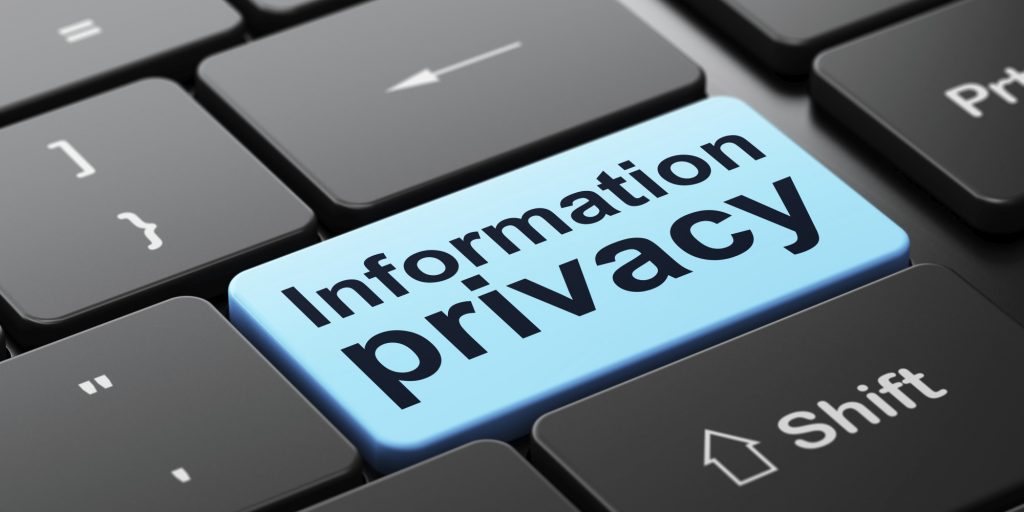
The rise of online marketplaces has only increased the likelihood of fraud occurring. It’s important to keep personal information private so that you don’t run the risk of having your personal information stolen. Once it’s stolen, the criminal will use your information to impersonate you or to buy products and goods with your bank information.
Sharing Personal Information Without Consent
Most states have laws against using personal and private information or a person’s likeness for exploitative purposes. Such purposes consist of advertising for goods or services. If you don’t have someone’s permission, you run the risk exposing yourself to legal liability.
This pertains to criminals who steal a person’s information and publishes it. One example of this is the Meri Brown catfishing case where her catfisher posted her private information online without her consent.
These laws were created to protect people from embarrassing disclosures and from using their identities in hurtful ways that could affect their lives.
Do We Normally Need Consent To Share Personal Information?
In our digital age, personal information is often shared without a second thought. We post photos and updates on social media, we share our location with apps, and we store our most sensitive data on the cloud. But do we really need consent to share this information?
The answer, according to privacy experts, is a resounding yes. Whenever we share personal information, we open ourselves up to potential identity theft, fraud, and other risks. That’s why it’s important to think carefully before sharing anything online.
If you’re not sure whether you should share something, it’s always best to err on the side of caution. After all, it’s better to be safe than sorry when it comes to protecting your personal information.
What Is The #1 Threat To Information Security?
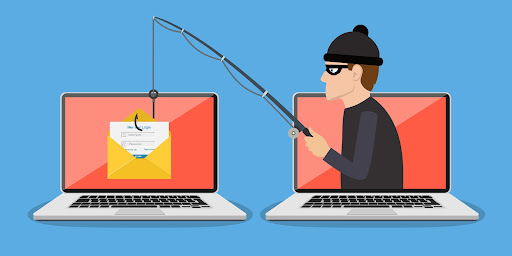
Phishing is one of the most common and most dangerous security threats facing organizations today. Phishing attacks are typically carried out by sending fraudulent emails that appear to come from a trusted source, such as a bank or credit card company.
These emails often contain links that lead to fake websites that are designed to collect sensitive information, such as login credentials or financial information. In many cases, phishing attacks also result in the installation of malicious software, which can give attackers access to confidential data or allow them to carry out further attacks.
Because of the sophisticated techniques that are used in phishing attacks, they can be very difficult to detect and prevent. As a result, phishing is one of the top security threats to information security.