 Multiple Faces Detected



 January 30th, 2023
Pharming scams are a rapidly growing threat in the digital world, posing a serious risk to the security of sensitive information and personal data. The ultimate goal of these attacks is to steal sensitive information for malicious purposes such as identity theft, financial fraud, and the spread of malware. In this blog post, we will delve into the dangers of pharming scams and provide practical tips and advice on how to protect yourself from these malicious attacks.
What is a Pharming Scam?

A pharming scam is a type of cyber attack that aims to steal sensitive information by redirecting users to fake websites that appear legitimate. The fake websites are designed to trick users into entering their personal information, including login credentials, credit card numbers, and other sensitive data.
Pharming scams work by manipulating the Domain Name System (DNS) to redirect users to fake websites instead of the legitimate ones. The attackers can use a variety of methods to accomplish this, including DNS cache poisoning, exploiting vulnerabilities in network devices, or compromising DNS servers.
Pharming scams can target any type of website, including financial institutions, e-commerce sites, social media platforms, and more. The goal is to trick users into entering sensitive information on the fake website, which is then collected by the attackers for malicious purposes.
One of the reasons why pharming scams are so effective is that many users are not aware of them. The fake websites can appear legitimate, making it difficult for users to distinguish between them and the real ones. This lack of awareness increases the risk of falling victim to a pharming scam.
Why is Pharming Called Pharming?

Pharming is called “pharming” because it is a combination of the words “phishing” and “farming”. Phishing is a type of scam that involves tricking individuals into giving away sensitive information, such as passwords and credit card numbers, by posing as a trustworthy entity. “Farming” refers to the process of redirecting traffic from a legitimate website to a fake website, which is often used in pharming attacks. Thus, the term “pharming” was created to describe this type of scam that involves redirecting traffic to fake websites in order to steal sensitive information.
Signs of a Pharming Attack
Unexpected Pop-Ups
One of the most common signs of a pharming attack is the presence of unexpected pop-ups that appear while browsing the internet. These pop-ups may ask you to enter personal information, download software, or follow a link to another website.
Unfamiliar Website Address
Another sign of a pharming attack is a website address that looks unfamiliar or differs from the usual address of the website you are trying to access. Always double-check the website address before entering sensitive information to make sure you are on the correct website.
Request For Sensitive Information
If a website requests sensitive information, such as login credentials, credit card numbers, or other personal information, be cautious. Legitimate websites will typically only request this information when you initiate a transaction or sign in to an account.
Suspicious Pop-Ups or Links
Avoid clicking on pop-ups or links that appear suspicious, such as those that promise free products or services or those that ask for personal information. If a pop-up or link seems too good to be true, it probably is.
Poorly Designed Websites
A poorly designed website is another red flag that can indicate a pharming attack. Look for signs of poor website design, such as broken links, poor graphics, and incorrect spelling and grammar.
Warning Messages From Security Software
If you receive a warning message from your security software about a potential threat, take it seriously. This could be a sign of a pharming attack and you should immediately exit the website and run a full security scan of your computer. Stay vigilant and stay protected against pharming scams.
Consequences of Falling Victim to a Pharming Scam
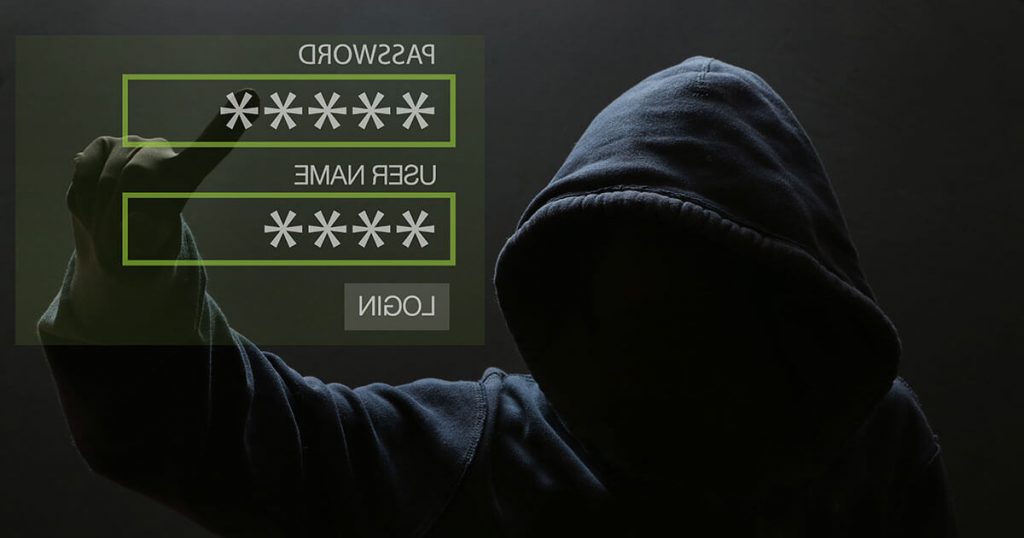
One of the most significant consequences of falling victim to a pharming scam is financial loss. Attackers can use the stolen information to make unauthorized purchases, transfer funds, or take out loans. This can result in significant financial losses for victims.
A pharming attack can also result in damage to your credit score. If the attackers open a bank account or take out a loan in your name, it can appear as if you have not paid back the loan, resulting in a negative impact on your credit score.
Pharming scams can also result in the spread of malware. The attackers may use the fake websites to spread viruses, Trojans, and other malicious software, which can infect your computer and steal sensitive information.
Falling victim to a pharming scam can also result in a loss of confidence in online transactions. Victims may become hesitant to enter sensitive information online, which can negatively impact their online experiences and ability to conduct business online.
In some cases, falling victim to a pharming scam may result in legal consequences. For example, if the attackers use the stolen information to commit financial fraud, the victim may be held responsible for the illegal activity. It is important to stay vigilant and take steps to protect yourself from pharming scams to avoid these serious consequences.
Protecting Yourself From Pharming Scams
- One of the most effective ways to protect yourself from pharming scams is to use strong passwords. Avoid using easily guessed passwords, such as “password” or “1234,” and instead use a combination of upper and lowercase letters, numbers, and symbols. Change your passwords regularly to reduce the risk of a security breach.
- Another way to protect yourself from pharming scams is to keep your software up to date. Regular software updates often include security patches and bug fixes that can help protect you from new threats.
- Antivirus software is an essential tool in protecting yourself from pharming scams. It can help detect and prevent the spread of malware, including viruses, Trojans, and other malicious software that can compromise your security.
- Be cautious when opening email attachments or clicking on links in emails, especially if they are from unknown senders. Attackers may use email to spread malware or trick you into entering sensitive information on fake websites.
- Whenever possible, use websites that use the HTTPS protocol, which provides an additional layer of security. This can help protect you from pharming scams and other security threats.
- Educate yourself about pharming scams and other security threats. Stay informed about the latest threats and take steps to protect yourself, including using strong passwords, keeping software up to date, and using security software. By staying informed and taking proactive steps to protect yourself, you can reduce the risk of falling victim to a pharming scam.
Conclusion: Stay Vigilant and Stay Safe Online
Staying vigilant and staying safe online are crucial in protecting yourself from pharming scams. Be aware of the signs of a pharming attack and take steps to protect yourself, such as using strong passwords, keeping software up to date, and using security software. Additionally, be cautious when opening email attachments or clicking on links, especially if they are from unknown senders. By staying informed and taking proactive steps to protect yourself, you can reduce the risk of falling victim to a pharming scam and enjoy a safer and more secure online experience.