 Multiple Faces Detected



 September 17th, 2021
When signing up for online accounts, we may be tempted to use the same password for every single account we make. By using one password for everything, it allows us to remember the password that is used so that way whenever we log in to an account, only one password comes to mind. However, by using one password for everything we are increasing the risks of our accounts being exposed to scammers and hackers through data breaches with all our sensitive information leaked. In order to prevent this from happening, we will tell you why it is dangerous to use one password for everything and the benefits of using a password manager to protect your online accounts.
Why You Shouldn’t Use the Same Password For Everything

When you create the same password for everything, you are creating a key that can unlock many online accounts. Therefore, if a scammer gets a hold of one password for all online accounts, then they have a key to unlock all of your online accounts. However, if you create multiple passwords for all your online accounts that have sensitive information, then a scammer would only have access to that one specific account that the password was made for.
When you create multiple passwords for all your online accounts, you create plenty of keys for each account. That way when a scammer gains access to one key, they are only gaining access to one account versus many accounts. While one password for everything may not be a bad idea for accounts that have a low risk for an attack, you should still make different passwords for accounts that have to do with billing, banking, or anything else that includes sensitive information. It may be hard to remember multiple passwords, but with a password manager, you can save all your passwords to all your online accounts.
What is a Password Manager?
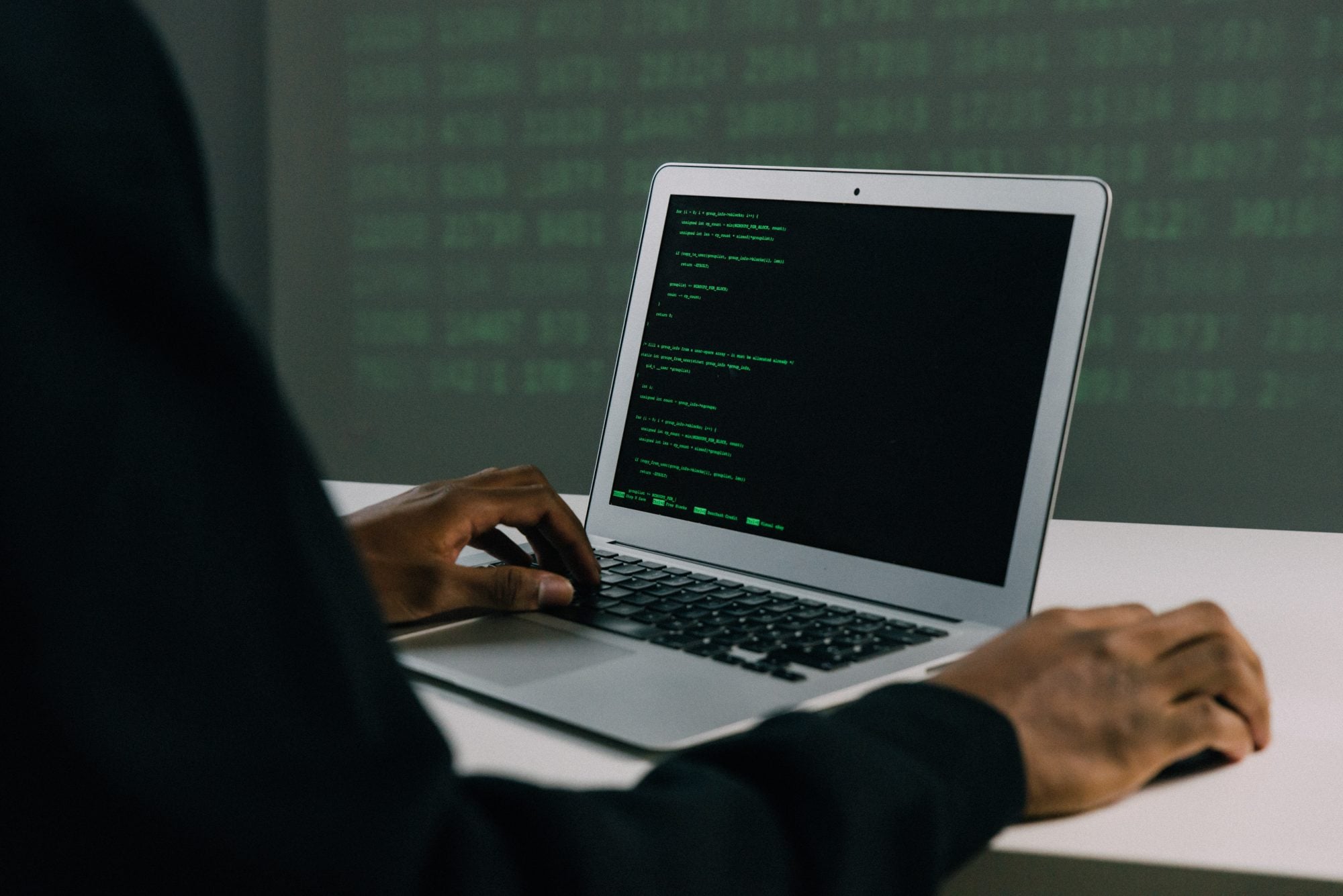
A password manager is a software that allows you to store and organize your login information to multiple online accounts. In order to access your information on this software, you need to enter your username and master password to access all your online information. There are three types of password managers that are available to use which include desktop-based, cloud-based, and single sign-on password managers.
The desktop-based password manager stores your account information directly on your computer in an encrypted vault. This means that it is not stored online and therefore, you would not be able to access your information on another device. The pro to this type of password manager is that no one can access your information unless they are on your computer and have your password manager log-in information. However, a con to this type of password manager is that if you lose your computer you won’t have access to all of your account information. Yikes!
The cloud-based password manager stores your encrypted account information through a cloud server so that you can access your information on any of your devices. This is useful if you have multiple devices and need to access your account through all of your devices. The pro to this type of password manager is that you have access to your account information through all of your devices, even if you happen to lose one of them. The con to this type of password manager is that scammers have a little bit of a higher chance to access your information, though this isn’t common.
The single sign-on manager allows you to use one username and password for all applications throughout a web browser. This type of password manager is more common for businesses so that all they need to do is give their employees one username and one password for all their applications.
Are password managers safe?: Your information is stored through encrypted software on your computer or the cloud server. Most password managers have military-grade password encryption, so even if a scammer gained access to your password manager, they wouldn’t be able to gain access to your passwords so easily. While password managers are safe for the most part, there is still minimal risk associated with scammers gaining access to your information.
If your online account or password manager is ever accessed by a scammer, feel free to perform a reverse search at SocialCatfish.com to find out more information about them. You can also report them to the FTC and IC3 for more resources on how to recover from being hacked.
What Can A Password Manager Do For You?

- It can organize all your usernames and passwords so that you don’t have to memorize them anymore.
- It allows you to create multiple passwords for each online account with ease since you don’t have to memorize them all.
- Password managers can generate secure passwords for you.
- They can warn you whenever you go onto a phishing website that’s not legit.
- If something were to happen, your password information can be in one place so that loved ones have access to it.
- Password managers help protect your identity by helping you create multiple passwords for each account.
- Password managers are a time saver since they allow you onto your online accounts at a faster rate.
How to Create a Secure Password

- Don’t reuse passwords, especially when it comes to your online accounts that contain sensitive information.
- Make sure to create complex passwords that have a combination of upper-case letters, lower-case letters, numbers, and symbols.
- Come up with unique passphrases that no one would ever guess such as “PinkSubwayCheeseburger” with numbers and symbols.
- Make sure to use two-factor authorization whenever a website gives you the option to.
- Make sure your employees use some type of password manager to protect business accounts.
Did a Scammer Gain Access to Your Online Account?
At Social Catfish, we want to help you verify a scammer’s identity to see who had access to your online accounts. We can help you reverse search any name, email address, phone number, social media username, address, or image to see who has access to your personal information. If you would like to solve the mystery of where your information went and have some of the scammer’s information, make sure to use our search bar today!