 Multiple Faces Detected


 November 2nd, 2025
You matched with someone amazing. They’re attractive, successful, and say all the right things. But something feels off.
Maybe they can’t video chat. Or they’re asking for money already. Your gut is telling you something, and you should listen.
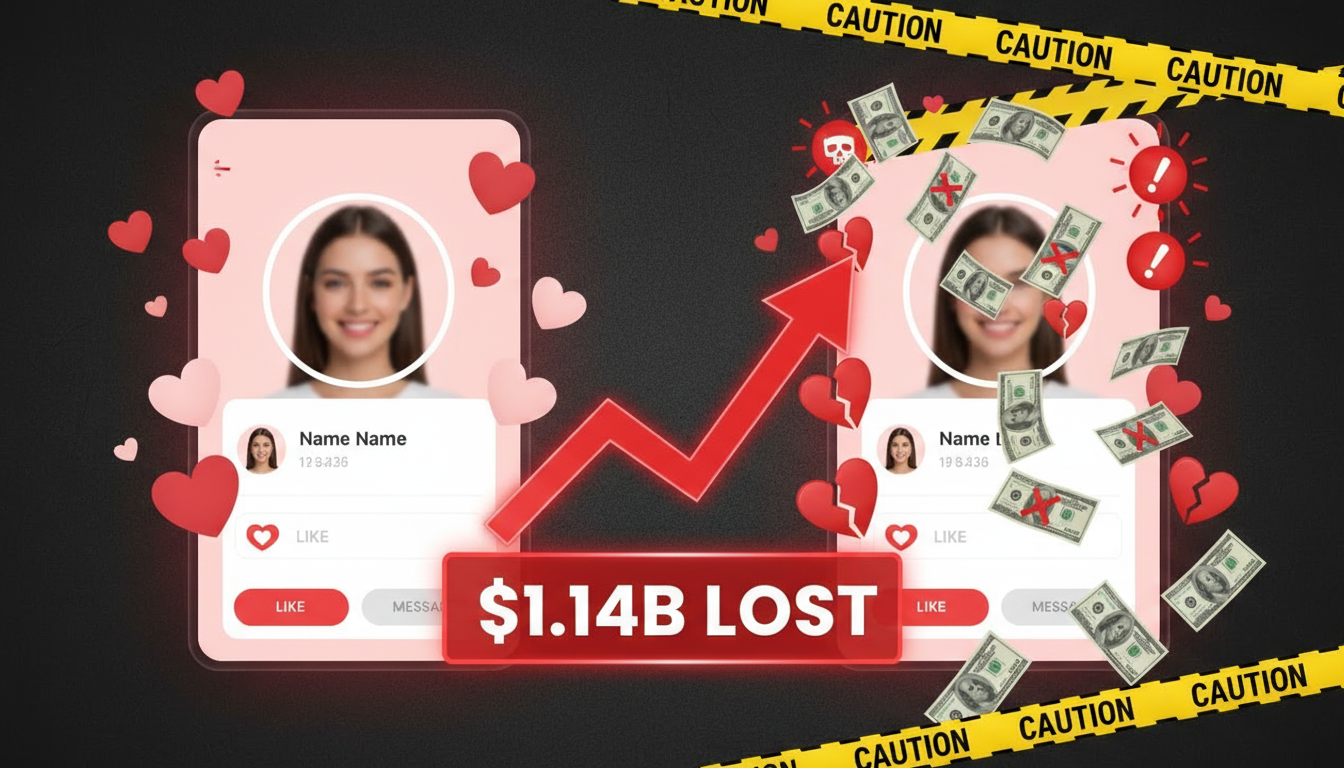
Online dating scams cost Americans over $1.14 billion in 2024 alone, according to the Federal Trade Commission. That’s triple what people lost just four years ago. And the numbers keep climbing. These scammers are getting smarter, using AI to create fake profiles that look completely real. They’re not just stealing money anymore. They’re stealing identities, draining bank accounts, and leaving people emotionally devastated.
But here’s the thing. Once you know what to look for, these scams become obvious. The patterns repeat. The excuses sound familiar. And you can protect yourself before losing a dime.
What Are Online Dating Scams?
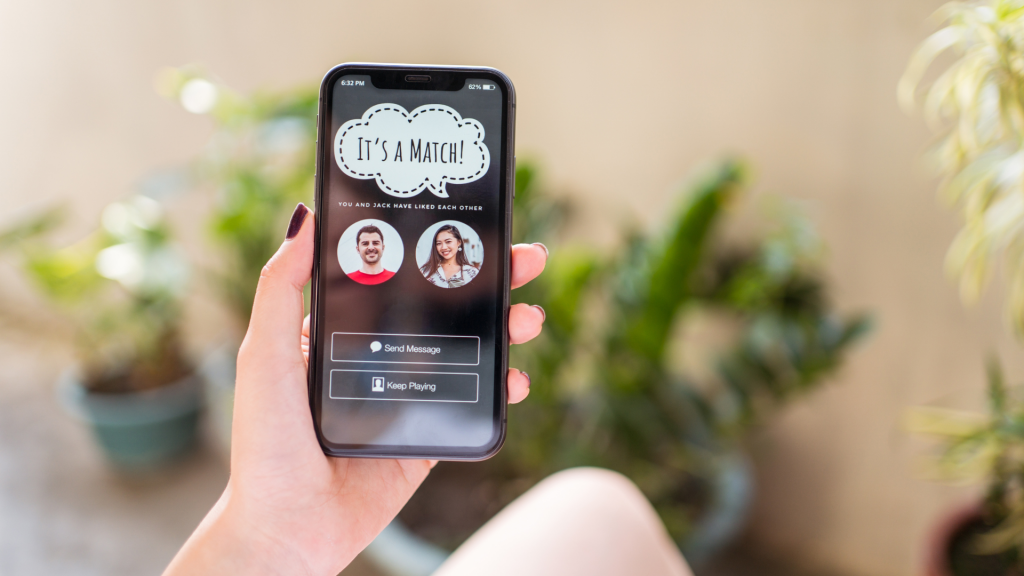
Online dating scams happen when someone creates a fake identity to build a romantic relationship with you. Their goal? Get your money or personal information. Simple as that.
These scammers work on dating sites, social media, and even LinkedIn. They spend weeks or months gaining your trust. They learn what you like, what you fear, what makes you vulnerable. Then they strike.
And it’s not just lonely people getting scammed. According to Social Catfish research, 75% of romance scam victims are college-educated. Intelligence doesn’t protect you. Awareness does.
They Move Way Too Fast
Real relationships take time. Scammers don’t have time.
They’ll say “I love you” within days and talk about marriage before you’ve even met. They’ll make grand promises about your future together. Why? Because they need you to be emotionally invested before you start thinking clearly.
This is called love bombing. It’s a manipulation tactic. And it works.
If someone is planning your wedding after three conversations, that’s a red flag. Slow down. Real love can wait.
They Won’t Video Chat or Meet in Person
There’s always an excuse. Bad internet connection. Broken camera. Work schedule. Family emergency.
But here’s the truth. If someone refuses to video chat after multiple requests, they’re hiding something. Usually, their real face.
Many scammers use stolen photos from social media or AI-generated images to create fake profiles. A reverse image search can help you verify if their photos are real. Just upload their picture to Social Catfish’s search tool and see if it appears elsewhere online.
Meeting in person? Forget it. They’ll cancel every time. Something always comes up. That’s because they can’t meet you. They’re not who they claim to be.
They’re Working Overseas or in the Military
Oil rigs. Military deployment. International business. These are the most common cover stories for online dating site scams.
Why? Because it explains why they can’t meet you. It justifies odd communication hours. And it sets up the eventual money request.
Military romance scams are especially common. Scammers pose as soldiers deployed overseas. They claim they can’t access their bank accounts. Or they need money for emergency leave. But real military members never have to pay for leave, medical care, or communication.
Oil rig scammers follow a similar script. They’re stuck on a rig in the middle of the ocean. They can’t video chat because of a poor connection. Then there’s an accident, and suddenly they need thousands of dollars for medical bills.
It’s all fake.
They Ask for Money
This is the biggest red flag. Period.
No one you’ve never met in person should be asking you for money. Not for plane tickets, medical bills, or business investments. Not for anything.
Scammers create elaborate stories. Their mother is sick. They got robbed and need money to leave the country and come see you. They found an amazing investment opportunity that will make you both rich.
Don’t fall for it. Once you send money, it’s gone. And they’ll keep asking for more.
If someone asks you for money, run a background check on them immediately. Social Catfish can help you verify their identity and see if they’ve been reported for scams before.
They Want to Move Off the Dating Platform Quickly
Legitimate dating sites have safety features and can ban scammers. That’s why scammers want to move conversations to WhatsApp, Telegram, or text messages as fast as possible.
They’ll say the app is glitchy. Or they don’t check it often. Or they want something more private. But the real reason? They don’t want the platform tracking their scam.
Once you’re off the platform, you lose that layer of protection. And if you need to report them later, there’s no record of your conversations.
Their Stories Don’t Add Up
Pay attention to details. Scammers often work on multiple victims at once. They forget what they told you.
They said they’re from Texas but don’t know basic things about the state. Also, they claim to be a doctor but can’t answer simple medical questions. Their grammar is off for someone who supposedly grew up speaking English.
Sometimes they’ll send you photos that don’t match. Different backgrounds and lighting. Different people entirely.
If you’re suspicious, try a reverse phone lookup or reverse email search to see if their contact information is linked to other identities or scam reports.
They Push Cryptocurrency Investments
This is called pig butchering. And it’s one of the fastest-growing online dating scams.
Here’s how it works. The scammer builds a relationship with you over weeks or months. Then they casually mention they’re making great money with crypto. They offer to teach you. They show you fake screenshots of their profits.
Eventually, they convince you to invest in a fake crypto platform they control. You put money in. You might even see fake profits at first. But when you try to withdraw your money, it’s gone.
According to Norton, these scams are devastating because victims lose both money and trust. Some people have lost their entire life savings.
They Share Sob Stories to Manipulate You
Scammers are experts at emotional manipulation. They’ll share tragic stories designed to make you feel sorry for them.
Their spouse died. Their child is sick. They’re struggling financially but too proud to ask for help. Until they finally do ask. And by then, you feel obligated to help because you care about them.
This is a tactic. They’re testing your empathy and your willingness to send money.
Real people going through hard times don’t ask strangers on dating apps for financial help. They have family, friends, and local resources.
They Ask for Personal Information

Sometimes scammers aren’t after your money directly. They want your identity.
They’ll ask seemingly innocent questions. What’s your mother’s maiden name? Where were you born? What was your first pet’s name? These are common security questions for bank accounts and email.
They might ask for photos of your ID to “verify” you’re real. Or they’ll request your Social Security number for some made-up reason.
Never share this information with someone you haven’t met in person. Identity theft can be more damaging than losing money. It can take years to recover from.
How to Protect Yourself From Online Dating Scams
Trust your instincts. If something feels wrong, it probably is.
Before getting emotionally invested, do your research. Use Social Catfish to verify their identity. Run their photos through a reverse image search. Check their phone number and email address. Look for hidden social media profiles they might not have told you about.
Never send money to someone you haven’t met in person. No exceptions.
Don’t share personal information that could be used for identity theft. And if someone refuses to video chat or meet after reasonable requests, move on.
Social Catfish specializes in helping people verify online identities and avoid scams. Their tools can search across hundreds of databases to find out if the person you’re talking to is real. They can uncover fake profiles, reveal hidden accounts, and show you if someone has been reported for scamming before.
What to Do If You’ve Been Scammed
First, stop all contact with the scammer immediately. Don’t send any more money.
Report the scam to the dating platform where you met them. Report it to the FTC. If you sent money, contact your bank or credit card company right away. You might be able to reverse the transaction.
Document everything. Save messages, photos, emails, and transaction records. This evidence can help law enforcement and might help you recover some losses.
Consider running a full identity check to ensure the scammer didn’t use your information to open accounts in your name. Social Catfish can help with this, too.
And don’t blame yourself. These scammers are professionals. They manipulate people for a living. You’re not stupid for falling for it. You’re human.
Stay Safe While Dating Online
Online dating can lead to real relationships. But you need to stay alert.
Take your time getting to know someone. Insist on video chats early. Never send money. And always verify someone’s identity before getting emotionally invested.
Social Catfish makes it easy to search for someone on dating sites and verify their identity. Whether you’re checking out a new match or investigating someone you’ve been talking to for weeks, their tools can give you peace of mind.
Don’t let online dating scams steal your money or your trust in people. Stay informed, stay cautious, and use the right tools to protect yourself.