

 Multiple Faces Detected


 October 7th, 2025
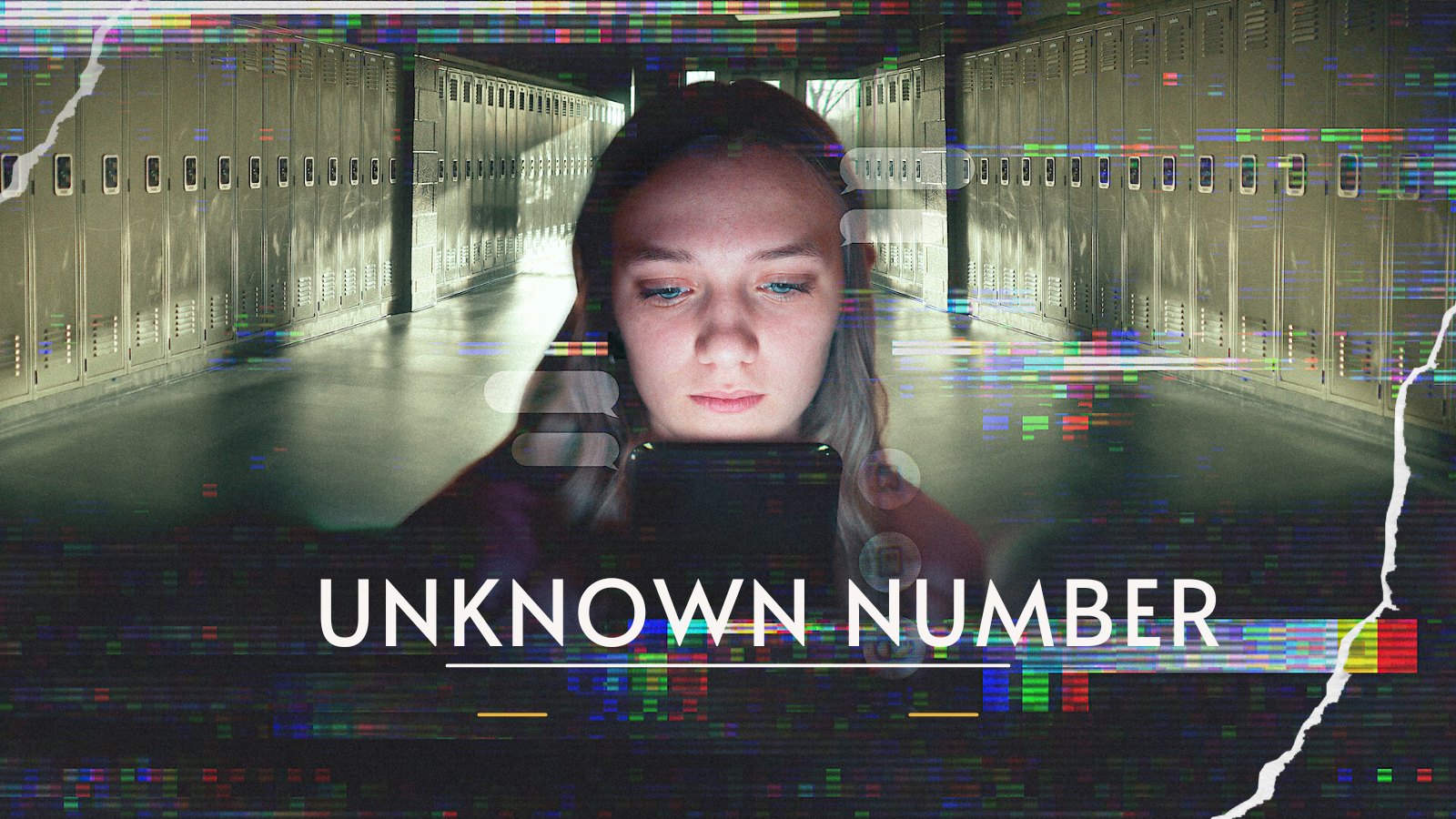
Netflix’s gripping documentary “Unknown Number: The High School Catfish,” directed by Skye Borgman and released on August 29, 2025, tells the disturbing true story of 13-year-old Lauryn Licari from Beal City, Michigan, who was relentlessly cyberbullied by an unknown number starting in October 2020. What began as mysterious, threatening texts quickly escalated into a months-long nightmare that would ultimately reveal a betrayal so shocking that it made national headlines.
This case serves as a stark reminder of the dangers lurking in our digital world and the importance of protecting yourself online. If you’ve ever questioned the identity of someone contacting you or worried about anonymous harassment, this story will resonate deeply and underscore why verification matters.
In an age where anyone can hide behind a fake number or profile, knowing who you’re really communicating with is essential. Take the first step toward protecting yourself: verify before you trust with Social Catfish.
The Story That Shocked a Nation

In October 2020, 13-year-old Lauryn Licari and her boyfriend Owen McKenny began receiving threatening texts from an unknown number. The messages were vulgar, relentless, and contained intimate details about their lives, suggesting the sender knew them personally. The harassment continued for months, devastating both teens, their relationship ended, grades plummeted, and mental health suffered.
When families reported the harassment to Beal City Public Schools, everyone assumed the perpetrator was another student. Local police began investigating, interrogating classmates, friends, and family members throughout the small Michigan community. As the case intensified, the FBI became involved, but no one could have predicted what they would discover.
Are you receiving threatening messages from unknown numbers? Don’t let cyberbullies hide behind anonymity, use Social Catfish’s reverse phone lookup to identify who’s really contacting you.
The Anatomy of the Attack: A Catfish from the Inside
The severity of the texts in the Unknown Number case cannot be overstated. Lauryn and Owen were receiving up to 50 messages a day, filled with graphic sexual comments, threats to their relationship, and horrific encouragements to die by suicide.
The core of the deception hinged on two key factors:
- The “Unknown Number”: The use of burner apps and technology to mask the sender’s identity created a powerful sense of an outside threat. By hiding behind the “unknown number,” the perpetrator was able to inflict emotional harm while simultaneously participating in the “victim’s” crisis as a supportive figure.
- Intimate Knowledge: The messages were so deeply personal that they convinced Lauryn, her family, and the police that the perpetrator had to be someone in their inner circle, a school friend or jealous rival. This intimate knowledge, used as a weapon, created a whirlwind of community paranoia and suspicion that allowed the harassment to continue for months.
The psychological complexity of Kendra Licari’s actions is a deep and unsettling theme, suggesting her motivation was not financial, but a warped, desperate need for attention and control. If someone is attempting to manipulate you online, you have the right to know who is behind the screen. Start a verification search today with Social Catfish to unmask the identity of anyone trying to control your life.
Critical Lessons for Digital Safety
The “Unknown Number” case provides crucial lessons for anyone navigating today’s digital landscape.
1. Take Anonymous Harassment Seriously
The messages Lauryn and Owen received weren’t just annoying. They were relentless, threatening, and psychologically damaging. Never dismiss ongoing harassment as harmless pranks. Document everything. Report to authorities. Take steps to identify the perpetrator.
2. Technical Knowledge Can Become a Weapon
Kendra’s IT background allowed her to create sophisticated fake identities and cover her tracks. This case shows that catfishers and cyberbullies can be highly skilled at digital deception. The person behind a fake account might be more technically savvy than you realize. Professional verification tools become essential.
3. Trust Your Instincts About Digital Communications
Something feels off about messages you’re receiving? The sender seems to know too much about your life? Does harassment feel oddly personal? Your instincts are probably correct. Don’t second-guess yourself when digital interactions raise red flags.
4. Catfishing Isn’t Always About Romance
We often think of catfishing in the context of online dating. However, this case proves that fake identities can be used for harassment, control, and psychological manipulation. Catfishing encompasses any scenario where someone creates a false digital identity to deceive others.
5. The Digital Footprint Never Lies
Despite Kendra’s technical skills, investigators traced the harassment back to her through digital forensics. Every online action leaves traces. This fact both protects victims and ensures perpetrators face accountability.
This case reveals a difficult truth: in today’s connected world, trust must be earned, not assumed. Digital deception thrives where curiosity ends. Stay vigilant, stay informed, and always verify before you trust. You can use Social Catfish to verify identities and safeguard your online presence.
Moving Forward: Protecting Yourself in a Digital World

The “Unknown Number: The High School Catfish” documentary isn’t just a cautionary tale. It’s a call to action. In an era where our digital and physical lives are increasingly intertwined, protecting your online identity and safety is no longer optional. It’s essential.
Here are practical steps you can take today:
1. Document everything.
Save screenshots, record phone numbers, and keep detailed records of any harassment or suspicious contact. These can be critical for investigators or legal authorities.
2. Verify identities.
Before sharing personal information or engaging deeply with anyone online, confirm they are who they claim to be. A quick identity check can prevent long-term damage.
3. Use specialized tools.
Services like Social Catfish are designed specifically to help you uncover the truth behind online identities. Our Reverse Image, Phone, Email, and Username searches can trace hidden connections and detect red flags instantly.
If you’re dealing with complex or high-stakes cases, such as cryptocurrency fraud, romance scams, or ongoing digital harassment, Social Catfish’s Search Specialist Pro service connects you with expert investigators who perform in-depth verifications and digital tracing on your behalf.
4. Report harassment.
Never handle serious cyberbullying or online threats alone. Report scams and harassment directly to the Federal Trade Commission (FTC) and provide any documentation to support your report. You can also contact local law enforcement if you feel unsafe.
5. Prioritize your mental health.
Online harassment can be emotionally draining. Reach out to trusted friends, family, or professional counselors for support.
The technology that enables catfishing and cyberbullying isn’t going away. However, that doesn’t mean we’re powerless. By staying informed, using verification tools, and taking digital threats seriously, we can create a safer online environment for everyone.
Take control of your digital safety. Let Social Catfish help you verify identities, investigate suspicious contacts, and protect yourself from online deception.
Frequently Asked Questions
What is the “Unknown Number: The High School Catfish” documentary about?
The documentary tells the true story of Lauryn Licari, a teenager who suffered months of cyberbullying from an unknown number. The investigation revealed that the perpetrator was her own mother, Kendra Licari. The film explores the psychological impact of harassment and the shocking betrayal.
What happened to Kendra Licari after her arrest?
Kendra Licari pleaded guilty to two counts of stalking a minor. She received a sentence of 19 months to 5 years in prison. Authorities released her on August 8, 2024. She remains on parole until February 2026. Her plea agreement prohibits contact with her daughter.
How did investigators discover that Kendra sent the messages?
The FBI joined the investigation and used digital forensics to trace the threatening messages. Despite Kendra’s IT background and attempts to hide her identity, investigators linked the anonymous communications back to her.
Is this considered catfishing?
Yes, this case involves catfishing creating a false identity to deceive others online. While catfishing often refers to romantic deception, this case demonstrates that fake online identities can be used for harassment, manipulation, and psychological abuse.
How can I protect myself from anonymous harassment?
Document all threatening messages. Report harassment to authorities immediately. Use verification tools like Social Catfish’s reverse phone lookup to identify unknown numbers. Never engage with harassers. Seek support from trusted friends, family, or professionals.
Final Thoughts
Unknown Number: The High School Catfish is a disturbing but necessary confrontation with how fragile trust can become in a digital age, especially when the very person you expect to protect you becomes the threat.
While this case is extreme, it underscores a broader truth: anyone who interacts online is vulnerable to deception. Whether through catfishing, harassment, or identity manipulation, the anonymity of the internet enables people to hurt others without immediate accountability.
That’s why proactive verification, checking the name behind the number, the alias behind the profile, the face behind the image, matters. Tools like Social Catfish exist precisely to help people catch deception early, protect themselves, and reclaim control over their digital identities.











