 Multiple Faces Detected


 February 3rd, 2026
You’ve probably seen it by now. A video of a celebrity endorsing a sketchy investment. A voice message from “your boss” asking you to wire money. A news clip that looks real but feels off.
Welcome to 2026, where AI isn’t just changing how we work. It’s changing how scammers operate.
And here’s the thing: you don’t need a computer science degree to protect yourself. You just need to understand how AI works and what to look for. That’s where learning how to learn AI becomes critical. Not to build apps or write code, but to recognize when someone is using AI to trick you.
Scammers are getting smarter. They’re using deepfakes, voice cloning, and AI-generated text to create scams that look and sound completely real. In some cases, just three seconds of audio is enough to clone someone’s voice. That’s terrifying. But if you know what to look for, you can spot these scams before they catch you.
This article will show you how to learn about AI in a way that actually protects you. No jargon. No fluff. Just practical steps to stay safe.
Why You Need to Learn About AI Right Now

AI scams are exploding. AI-powered scams are 4.5 times more profitable than traditional ones. Why? Because they’re harder to spot.
Voice cloning can mimic your loved ones. Deepfake videos can make it appear as if someone said something they never did. AI-generated emails can sound exactly like your bank. And all of this is happening faster than most people can keep up.
But here’s the good news: once you know how AI works, the tricks become obvious. You start noticing the patterns. The weird pauses in a cloned voice. The unnatural eye movements in a deepfake video. The overly formal language in a phishing email.
Learning how to learn AI isn’t about becoming an expert. It’s about becoming aware. And awareness is your best defense.
How to Learn AI Basics Without Getting Overwhelmed
You don’t need to take a six-month course. You just need to understand the basics. Here’s how to start.
Start With Free Resources
Platforms like Coursera, Khan Academy, and YouTube offer free beginner courses on AI. Look for courses that focus on “AI literacy” or “AI for everyone.” These are designed for non-technical people.
You’ll learn what AI can and can’t do. How it generates text, images, and voices. And most importantly, where it fails. Those failures are your red flags.
Focus on Scam-Specific AI Knowledge
Not all AI knowledge is useful for spotting scams. Focus on these areas:
- Voice cloning: How AI replicates voices and what tells to listen for.
- Deepfakes: How fake videos are made and how to spot them.
- Text generation: How AI writes emails and messages, and why they often sound “off.”
- Image manipulation: How AI creates fake photos and what inconsistencies to look for.
When you learn how to learn AI through this lens, you’re not just learning technology. You’re learning how to protect yourself.
Use Detection Tools
You don’t have to rely on your eyes and ears alone. Tools like Microsoft Video Authenticator and Intel FakeCatcher can help you verify if a video is real. Social Catfish offers reverse image search and facial recognition search to help you verify if someone’s photo is stolen or fake.
These tools aren’t perfect. But they’re getting better. And they’re a great backup when something feels suspicious.
How to Spot AI-Generated Scams
Now that you know how to learn about AI, let’s talk about spotting scams. Here are the most common AI scams in 2026 and how to recognize them.
Voice Cloning Scams
Scammers use AI to clone voices and impersonate people you trust. Your boss. Your family. Even law enforcement.
Here’s what to listen for:
- Unnatural pauses or breathing. AI voices often sound too smooth or have weird gaps.
- Urgency. Scammers create panic to stop you from thinking clearly.
- Requests for money or sensitive information. Real people don’t ask for this over the phone without warning.
If you get a suspicious call, hang up. Call the person back using a number you already have saved. Don’t use the number they give you. And if you’re worried about scam call numbers, Social Catfish’s reverse phone lookup can help you verify who’s really calling.
Deepfake Videos
Deepfakes are AI-generated videos that make it look like someone said or did something they didn’t. They’re used to spread misinformation, promote fake investments, and manipulate public opinion.
Here’s how to spot them:
- Weird facial movements. Look at the eyes, mouth, and jawline. Do they move naturally?
- Lighting inconsistencies. Does the lighting on the face match the background?
- Audio sync issues. Does the voice perfectly match the lip movements, or is there a slight delay?
If a video looks suspicious, don’t share it. Use a reverse image search to see if the footage has been used elsewhere. And remember: if it sounds too good (or too bad) to be true, it probably is.
AI-Generated Phishing Emails
AI can write emails that sound exactly like your bank, your boss, or a trusted company. These emails are personalized, well-written, and convincing.
Here’s what to watch for:
- Generic greetings. Real companies use your name.
- Urgent language. “Act now or your account will be closed.”
- Suspicious links. Hover over links before clicking. Does the URL match the company’s official site?
If you’re unsure, don’t click. Go directly to the company’s website or call them using a number you trust. And if you’ve been targeted by dating app scams or fake video chat scams, Social Catfish can help you verify identities before you engage.
Fake Social Media Profiles
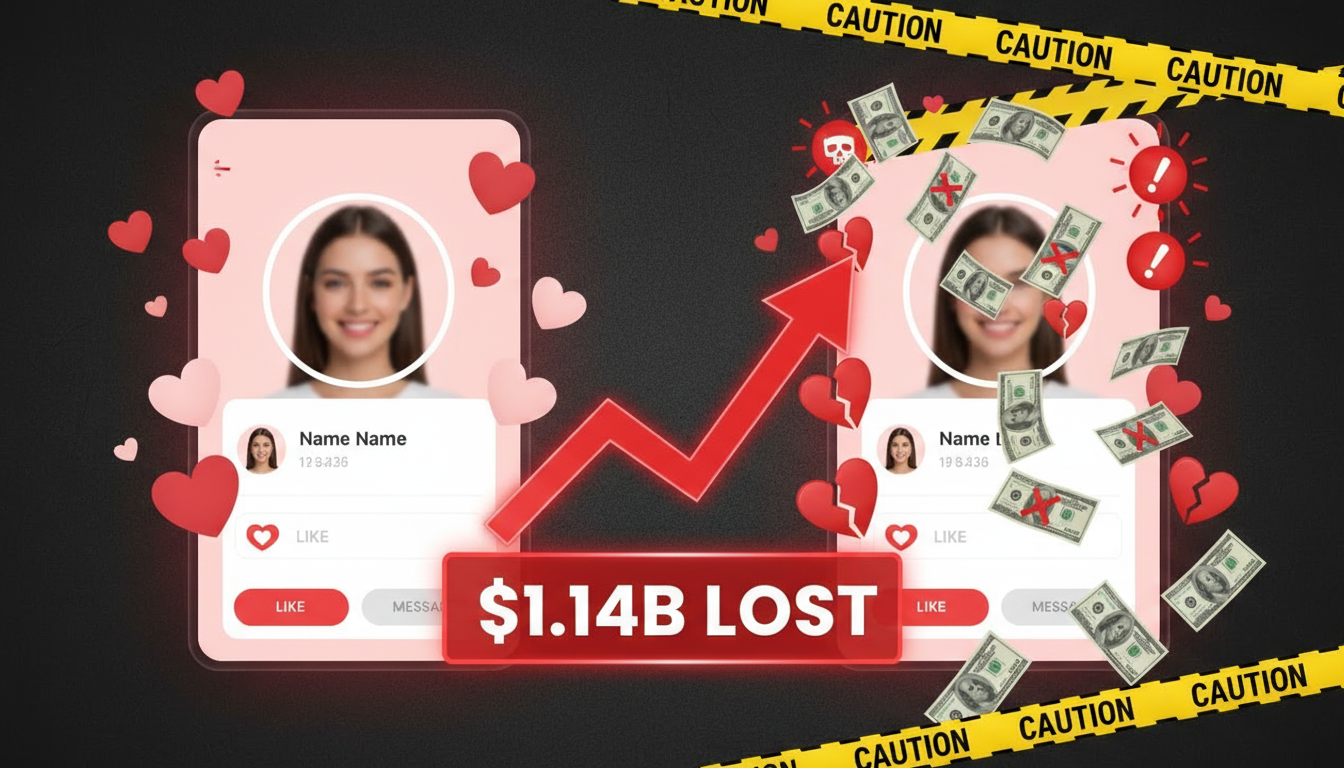
AI can generate fake photos, bios, and even entire social media profiles. These are used for romance scams, catfishing, and identity theft.
Here’s how to spot them:
- Too-perfect photos. AI-generated faces often look flawless but lack natural imperfections.
- Vague or generic bios. Real people have specific details about their lives.
- No digital footprint. If someone has no other social media presence, that’s a red flag.
Use Social Catfish’s reverse image search to see if a profile photo appears elsewhere online. You can also use reverse username search to track down other accounts linked to the same person.
Why Social Catfish Is Your Best Defense

Learning how to learn AI is step one. But you also need tools that work. That’s where Social Catfish comes in.
Social Catfish specializes in helping people verify identities and spot scams. Whether you’re dealing with a suspicious phone call, a fake dating profile, or a deepfake video, Social Catfish has the tools to help you investigate.
Here’s what makes Social Catfish the best option:
- Reverse image search to verify photos.
- Reverse phone lookup to identify scam call numbers.
- Facial recognition search to find stolen or fake images.
- Reverse email search to track down who’s behind suspicious messages.
You don’t have to be a tech expert to use these tools. They’re designed for regular people who just want to stay safe. And in a world where AI scams are getting more sophisticated every day, that’s exactly what you need.
What to Do If You’ve Been Scammed
If you’ve already fallen for an AI scam, don’t panic. Here’s what to do:
- Document everything. Save emails, screenshots, and call logs.
- Report it. File a report with the FTC and your local law enforcement.
- Freeze your accounts. If you shared financial information, contact your bank immediately.
- Change your passwords. Use strong, unique passwords for every account.
- Run a background check. Use Social Catfish to see if your information has been compromised or used elsewhere.
The sooner you act, the better your chances of minimizing the damage.
Stay One Step Ahead
AI isn’t going away. And neither are the scammers using it. But now you know how to learn AI in a way that protects you. You know what to look for. You know which tools to use. And you know where to turn when something feels off.
Scammers rely on people’s lack of understanding of how AI works. But you’re not one of those people anymore. You’re informed. You’re prepared. And you’re ready to spot the fakes before they fool you.
Stay sharp. Stay skeptical. And remember: when in doubt, verify. Social Catfish is here to help you do exactly that.