
 Multiple Faces Detected


 February 3rd, 2026
The rapid rise of artificial intelligence has opened new doors for both innovation and exploitation. One of the most alarming developments is AI voice cloning. In just seconds, scammers can replicate someone’s voice and use it to convince you that a loved one is in trouble and needs money now.
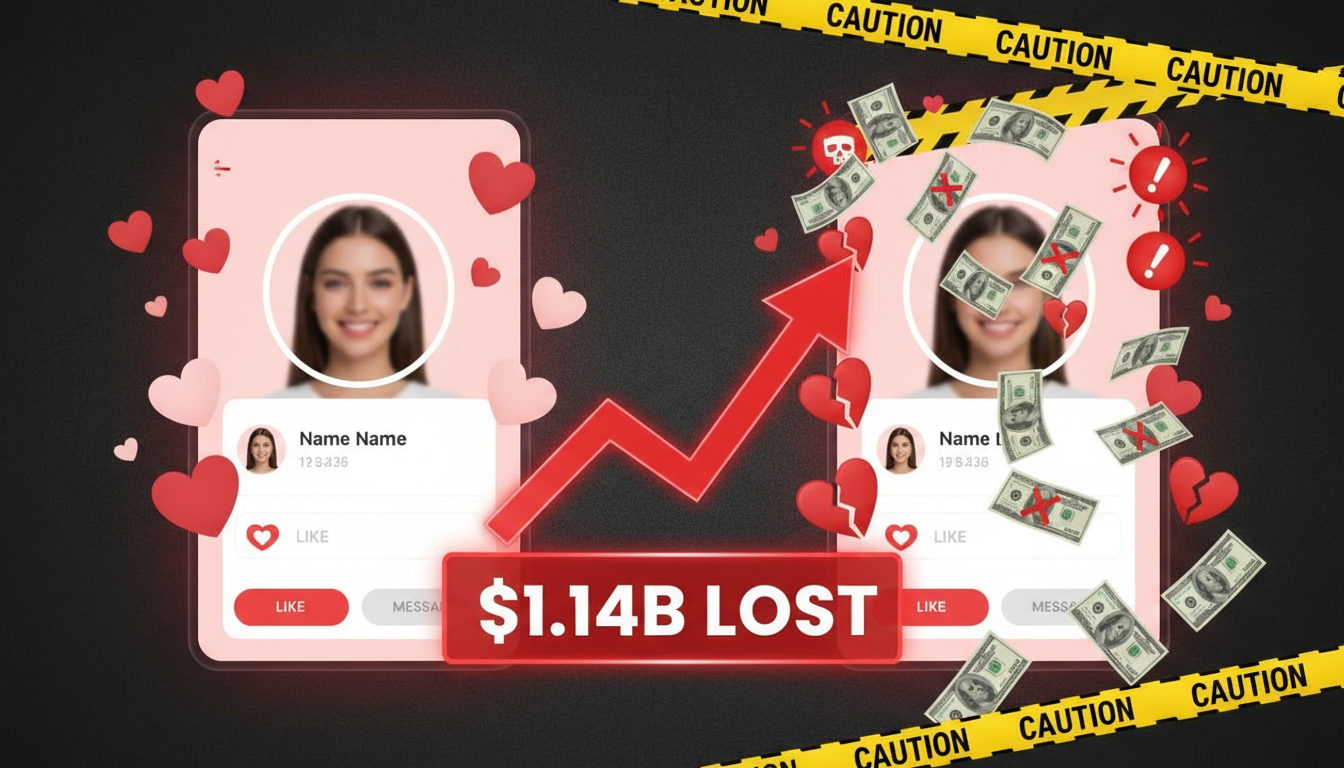
Deepfake scams have already caused $12 billion in global losses, and experts predict that number could climb to $40 billion within the next three years.
Criminals no longer need to break in; they just need a clip of your voice. Here’s what you need to know before you fall for something that sounds too familiar to doubt.
How AI Voice Cloning Works?

Voice cloning is a form of deepfake scam that creates a digital copy of someone’s voice. It does this by analyzing short audio clips to learn their speech patterns, accents, and breathing styles.
Once the system has enough information, it can turn written text into speech that sounds almost identical to the real person. What’s more worrying is that it only takes about three seconds of audio to make a convincing copy.
Here’s a simple breakdown of how this technology works:
Step 1: Collecting Audio
The AI needs to record the person’s voice. These should be clear, without too much background noise, and include different emotions, tones, and speaking styles. More variety helps the AI learn better.
Step 2: Cleaning the Audio
The audio is cleaned and split into smaller pieces, like words or sentences. Any background noise or unclear parts are removed so the AI can focus on how the person really sounds.
Step 3: Analyzing the Voice
The cleaned audio is turned into a sound map called a mel-spectrogram. This helps the AI see changes in pitch, tone, and speed. The system also learns which sounds make up each word.
Step 4: Training the AI
The AI uses special learning models like WaveNet or Tacotron. It studies voice recordings along with matching text to learn how the person speaks. Over time, it gets better at copying the voice.
Step 5: Creating the New Voice
Once trained, the AI can take any new text and turn it into speech that sounds like the original person. It can even match the person’s rhythm, pauses, and natural tone.
Step 6: Final Touches
The last step is making the voice sound as real as possible. The AI smooths out the sound, adjusts the tone, and removes any weird pauses so it sounds more natural.
How AI Voice Cloning Are Fooling People Every Day?
Phone scams, also known as voice phishing or “vishing,” have existed for years. But with the rise of AI fraud, these scams have become more advanced and more personal. Here’s how it plays out:
Financial Scams Targeting Families
Scammers clone the voice of a loved one, such as a child or grandchild, and claim they’re in trouble and urgently need money. These emotional calls are designed to make victims act fast without thinking.
In California, an elderly man named Anthony got a call from someone who sounded exactly like his son. The caller said he’d been in an accident and needed $25,000 for bail. Believing it was real, Anthony sent the money, only to find out later it was a scam using a cloned voice.
Misusing Celebrity Voices
Scammers copy the voices of celebrities without their permission to promote products or services, tricking the public and damaging reputations.
Actress Scarlett Johansson found that her voice was cloned and used in an app ad without her knowledge or consent. This raised major concerns about privacy and the misuse of public figures’ voices.
Business Scams Using Fake Voices
Criminals can clone a company leader’s voice and use it to give fake instructions, often to move money or share private business details.
In 2019, the CEO of a UK energy firm got a call that sounded exactly like his boss, asking him to transfer €220,000. He followed the instructions, not realizing it was a cloned voice used to carry out a scam.
Spreading Political Misinformation
Fake voices can be used to spread false messages during elections, tricking voters and harming public trust.
During the 2024 Democratic primary in New Hampshire, over 20,000 voters received robocalls with a voice that sounded like President Joe Biden telling them not to vote. The call was a deepfake created to confuse and mislead voters.
Scams in Hotels and the Travel Industry
Scammers use cloned voices of known staff or executives to call hotel workers and ask for private or payment information.
Several hotels and travel companies have reported cases where scammers used fake voices to trick employees into sharing sensitive information, leading to data leaks and financial loss.
Combating the Threat of Deepfake AI Scams
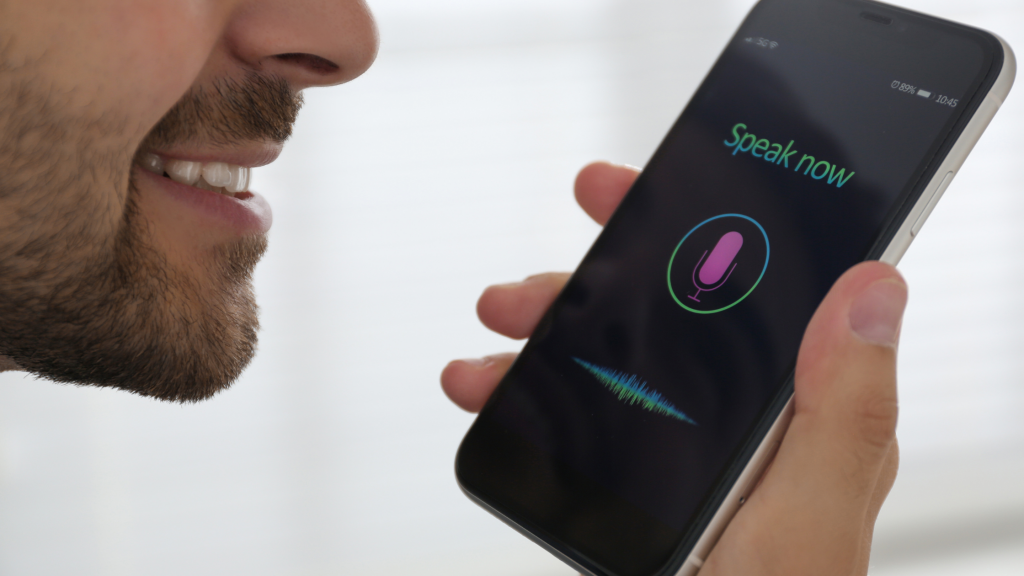
Cybersecurity experts and government agencies, including the FBI, warn that AI voice scams are rising rapidly and could affect millions worldwide. Here are a few things you can do:
- If someone calls claiming to be a loved one in trouble, don’t panic. Hang up and contact them directly using a number you trust to make sure it’s really them.
- Talk with your family about choosing a private “safe word” to use in emergencies.
- Be careful about posting long videos or audio clips of your voice online. Scammers only need a few seconds to create a convincing fake.
- If a call feels urgent or emotional, like someone asking for money right away, pause. Take a minute to think it through or check in with someone you trust.
- Don’t rely too much on caller ID. Phone numbers can be faked to look familiar. If you’re unsure, try using a reverse phone lookup tool to see who the number really belongs to.
Final Word
AI voice cloning scams succeed because of the technology and because scammers combine it with psychological tricks that pressure people to act quickly without thinking clearly.
If you’re unsure whether a voice or message came from someone you know, Search Specialist by Social Catfish can help confirm that person’s actual location, activity, or communication history.
We can also help you collect digital evidence, check if your details are exposed elsewhere, and guide you through what to do next.
Here’s what one of our clients shared about their experience:
“Sheridan with SocialCatFish did a thorough analysis of my situation. I was relieved to find out that my suspicions were valid. I appreciate his hard work. I’m glad I used this investigation process.”