
 Multiple Faces Detected


 February 6th, 2026
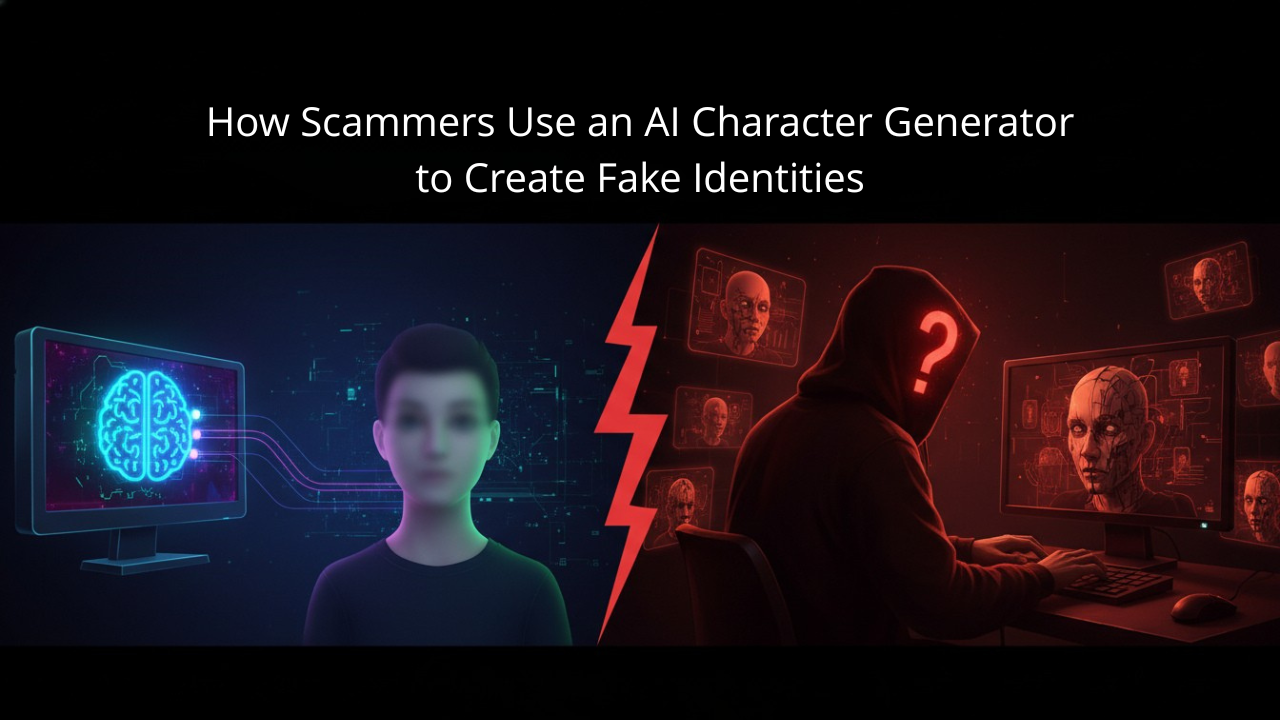
Meet Emily Chen. She’s 28, works in marketing, loves hiking, and has a warm smile that makes her look approachable. Her LinkedIn profile shows five years of professional experience. Her Instagram has photos from weekend trips and coffee shop visits. She looks real because everything about her was designed to look real.
Emily doesn’t exist. She never has. A scammer created her entire identity in under ten minutes using AI character generators and free online tools. The face came from This Person Does Not Exist. The background details from Fake Name Generator. The social media history from automated bot accounts. Total cost? Fifteen dollars.
The FBI warns that criminals use generative AI to create believable identity documents for fraud and impersonation schemes. In 2024, digital document forgeries surged 244 percent. Synthetic identity fraud now accounts for 85 to 95 percent of all fraud losses.
Social Catfish’s reverse image search and facial recognition technology can help you identify AI-generated faces before you trust someone who doesn’t exist. Because when scammers can create convincing identities in minutes, knowing how to spot fake profiles isn’t optional anymore. It’s essential.
What is an AI Character Generator?

An AI character generator is software that uses neural networks to create entirely fictional identities from scratch. Unlike traditional fake IDs that alter or copy real documents, these tools fabricate everything: faces, names, addresses, employment history, and even social media presence.
The technology behind it is called Generative Adversarial Networks, or GANs. Two neural networks work together. One generates fake content. The other tries to detect whether it’s fake. They compete until the generator becomes so good that the detector can’t tell the difference.
The Most Popular Tools Scammers Use
This Person Does Not Exist creates photorealistic faces with a single click. It’s almost impossible to recognize an image of a fake person, with AI so developed that 90 percent of fakes are not recognized by an ordinary person, and 50 percent are not recognized by an experienced photographer.
Fake Name Generator generates complete identities, including name, address, phone number, email, date of birth, employment history, and even credit card numbers. Everything a scammer needs to build a believable persona.
OnlyFake was an underground service that created fake government IDs. Users could upload a photo, select a document template, and receive a convincing fake ID within minutes. The service has been shut down, but dozens of similar tools have taken its place.
DeepPersona AI specializes in creating fake social media profiles with backstories, post histories, and AI-generated interactions. The 2025 update introduced dynamic personality traits that make synthetic personas behave naturally in online conversations.
How Scammers Build Fake Identities
Here’s the step-by-step process, based on security research and catfishing investigations.
Step 1: Generate the Face
Scammers visit This Person Does Not Exist or similar tools. Each page refresh creates a new face. They generate dozens until they find one that fits their target demographic. Want to scam older women? Generate a handsome man in his 40s. Targeting cryptocurrency investors? Create a confident-looking professional.
The faces are photorealistic. Proper lighting. Natural expressions. The kind of photos that look like they came from someone’s phone, not a studio. That’s exactly what makes them dangerous.
Step 2: Create the Background
Scammers use a Fake Name Generator to rapidly create an entire persona for fake but believable characters. The tool provides everything needed for a complete identity in seconds.
They get a name that matches the face’s apparent ethnicity. An address in a real city. A birthday that makes them the right age. A job title and company name. Email addresses and phone numbers that look legitimate. Some tools even generate fake Social Security numbers.
Step 3: Build the Online Presence
Empty social media profiles scream “fake.” So scammers create history. They use automated tools to generate posts, likes, comments, and connections. They steal photos from real people’s accounts and mix them with AI-generated content.
Dating and romance scammers use generative AI to manage multiple conversations simultaneously, maintaining the illusion of genuine interest and emotional connection. They craft personalized messages, communicate across language barriers, and keep victims engaged over extended periods.
LinkedIn profiles get created with detailed work histories. Facebook accounts show years of friendships and life events. Instagram displays carefully curated lifestyle content. It all looks organic because they’ve automated the process of seeming human.
Step 4: Establish Credibility
The fake identity needs verification markers. Email accounts with professional signatures. Phone numbers that actually work (often through VOIP services). Sometimes, even fake company websites or business cards.
For romance scams or investment fraud, scammers create credentials: fake law enforcement badges, medical licenses, and financial certifications. AI tools can generate these documents with frightening accuracy.
Step 5: Deploy the Identity
Now the fake person is ready. The scammer uses this identity across dating apps, investment platforms, social media, or any space where they’re hunting for victims. They might run dozens of fake identities simultaneously, each targeting different demographics.
Warning Signs of AI-Generated Identities
Despite improvements in AI technology, fake identities still leave traces.
The Face Doesn’t Pass Close Inspection
AI-generated profile pictures might have the strongest indicators: the person’s gaze is directly into the camera, odd or unusual traits, accessories like hats or glasses, or hair strands that fade in and out, side edges, background with very strange figures.
Look at the ears. AI struggles with symmetry. One earring might look distorted. Check the background. You might see weird artifacts or patterns that don’t make sense. Examine the eyes closely. They’re often too perfect or strangely aligned.
The Profile Has No Digital History
Real people leave digital breadcrumbs over the years. Old forum posts. Mentions in news articles. Tagged photos from friends. AI-generated identities have nothing. Their online presence starts suddenly and looks suspiciously curated.
Search their name plus their claimed city and employer. Nothing? That’s suspicious. Run their photo through reverse image search. If it doesn’t appear anywhere else online, that’s a red flag.
The Story Doesn’t Add Up
Scammers using AI-generated identities often make mistakes with details. The birthday doesn’t match the graduation date. The work history has impossible overlaps. The address doesn’t exist. They’re managing too many fake identities to keep every detail consistent.
They Avoid Real-Time Video Verification
Scammers now have access to AI-powered face-swapping technology, which allows them to assume any identity on live video calls. But most scammers avoid video entirely. Too risky. Too hard to maintain the illusion in real-time.
If someone refuses video calls or cancels repeatedly, that’s your answer. Real people don’t avoid showing their faces for months. Use Social Catfish to verify dating profiles before you invest emotionally.
The Types of Scams Using AI Identities
Romance Scams
By establishing a deep emotional connection, scammers gain the trust of their victims, which they then leverage to request money, sensitive information, or commit financial fraud on their behalf.
They create attractive profiles on dating sites and apps. They spend weeks or months building relationships. Then comes the crisis that requires money: a medical emergency, a business opportunity, or travel funds to finally meet you.
Investment Fraud
Fake financial advisors with impressive credentials promise incredible returns. They use AI-generated faces and LinkedIn profiles to look legitimate. They reference fake investment firms with professional websites. Victims lose thousands before realizing the person never existed.
Social Engineering
Criminals create realistic images for fictitious social media profiles in social engineering, spear phishing, romance schemes, confidence fraud, and investment fraud.
Corporate spies use fake identities to connect with employees on LinkedIn. They gather information about company systems, schedules, and security protocols. They use fraudulent tactics to gain trust before launching targeted attacks.
How to Protect Yourself

Run Every Photo Through Reverse Image Search
Social Catfish can identify whether a photo has been used elsewhere online or shows signs of AI generation. One search takes seconds. It might save you thousands of dollars or protect your identity.
Verify Identity Claims
Someone says they work at a specific company? Call that company’s main number and ask. They claim a degree from a university? Check with the registrar. They mention living in a certain city? Ask detailed questions only locals would know.
If they’re on multiple platforms, check for hidden profiles that might reveal inconsistencies. Real people have messy, complex online lives. Fake identities look too clean.
Demand Video Verification
Not a screenshot. Not a pre-recorded video. A live video call where they hold up a piece of paper with today’s date and a phrase you choose. This defeats most AI-generated identity scams because scammers can’t produce real-time video of people who don’t exist.
If they refuse or make excuses, walk away. Know what to do if you’re being catfished before you get in too deep.
Use Professional Background Checks
Social Catfish offers comprehensive background checks that can verify if someone’s identity is real. We cross-reference public records, social media accounts, and other data sources to confirm the person exists and matches their claims.
Trust Your Instincts
If something feels wrong, it probably is. AI-generated identities are convincing, but they’re not perfect. Your subconscious often catches details your conscious mind misses.
The Future of AI-Generated Identities
The technology keeps improving. AI-generated fake IDs are becoming popular because they’re cheap, fast, and easy to make. With only a smartphone, anyone can generate convincing identity documents that can fool basic verification systems.
Synthetic identity fraud is the fastest-growing financial crime in the United States, with lender exposure reaching 3.3 billion dollars, the highest recorded level, and losses projected to hit 23 billion dollars by 2030.
What works to detect AI-generated identities today might not work tomorrow. The arms race between fraudsters and security systems continues. That’s why using professional verification services like Social Catfish becomes more important, not less.
Staying Safe in an AI-Generated World
Not long ago, creating a convincing fake identity required skill, time, and resources. Today, anyone with fifteen dollars and internet access can create dozens of fake people in an afternoon. The barrier to entry for identity fraud has collapsed.
This doesn’t mean you should stop trusting people online. It means you need to be smarter about verification. The tools exist to protect yourself. You just need to use them.
Before you trust someone online, especially with money or personal information, verify their identity. Run their photos through reverse image search. Check their background. Demand video verification. Use Social Catfish’s tools to confirm they’re real.
The scammers have AI on their side now. Make sure you have verification tools on yours. Because in a world where fake people look real and real verification takes seconds, there’s no excuse for falling victim to someone who never existed at all.