 Multiple Faces Detected


 March 2nd, 2026
You matched with someone online. The conversation has been flowing for weeks. They’re charming, attentive, and seem genuinely interested in you. Then comes the ask. Maybe it’s small at first. A little help with an emergency. A quick transfer through Venmo, Zelle, or Cash App. They’ll pay you back, of course. They just need it right now.
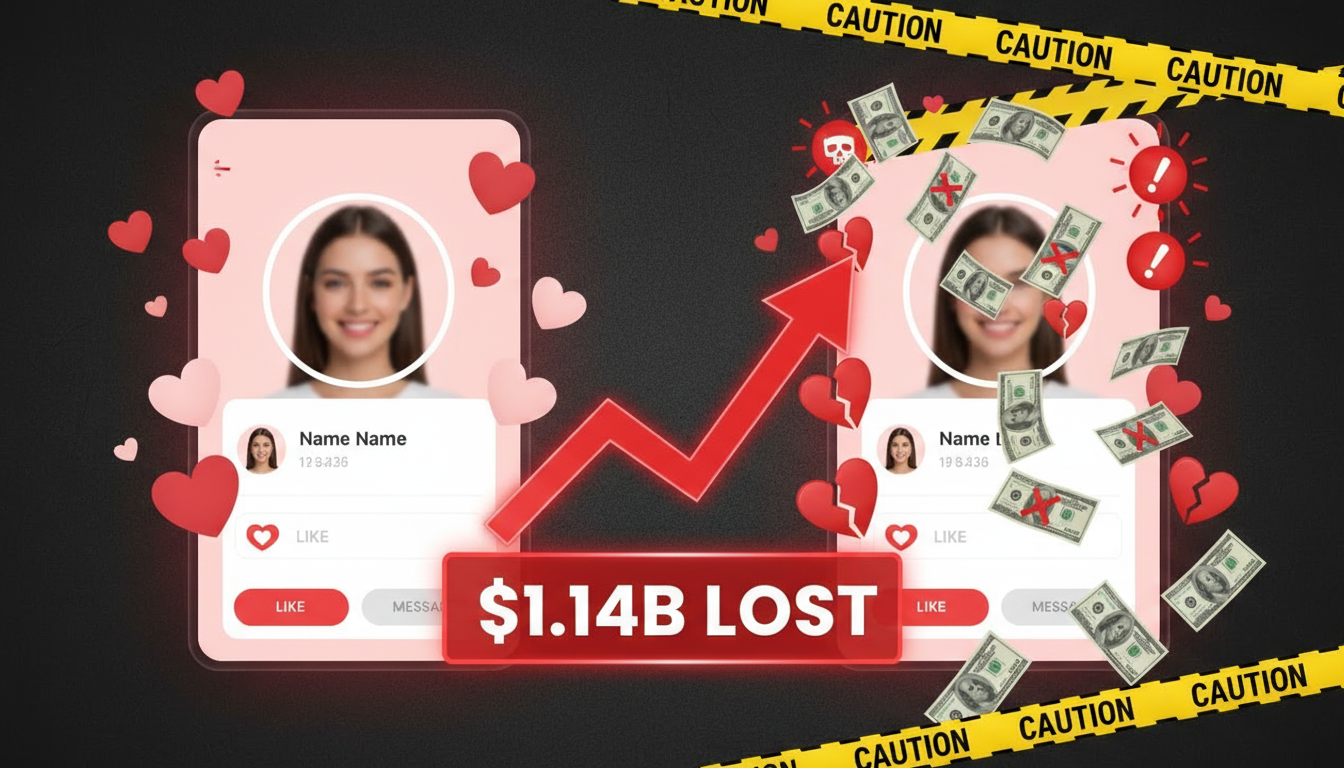
This is one of the most common and emotionally devastating scams operating on dating apps today. According to the Federal Trade Commission, reported losses to romance scams total $1.14 billion, with median losses per person of $2,000, the highest reported losses for any form of imposter scam. Behind every one of those statistics is a real person who trusted someone they met online and paid dearly for it.
Peer-to-peer (P2P) payment apps like Venmo, Zelle, Cash App, and PayPal have made sending money faster and easier than ever. For scammers, that convenience is a feature, not a bug. Once money leaves your account through one of these platforms, recovering it is extremely difficult and in many cases, impossible. Understanding how these scams work and how to spot them before any money moves is the most important thing you can do to protect yourself.
Using a tool like Social Catfish to verify the identity of someone you’ve met online is one of the fastest ways to catch a scammer before the situation escalates.
What Are Peer-to-Peer Payment Scams?

Peer-to-peer payment scams occur when a fraudster uses the trust built through an online relationship, typically on a dating app or social media platform, to convince a victim to send money through a digital payment service. Unlike credit card transactions, P2P payments are processed almost instantly and offer little to no buyer protection. There is no chargeback process. There is no fraud reversal guarantee. Once the money is sent, it is gone.
What makes these scams particularly effective is the emotional foundation they’re built on. Scammers don’t walk up and ask strangers for money. They spend days, weeks, or even months building a relationship, first creating genuine feelings of trust, affection, and connection before ever making a financial request. By the time the ask arrives, many victims are too emotionally invested to recognize the warning signs.
How the Scam Typically Unfolds
Stage 1: The Match and the Connection
The scammer creates a convincing profile on a popular dating app, Tinder, Hinge, Bumble, or Match, using stolen photos of an attractive person. They initiate contact and quickly make the victim feel special. Conversations are warm, consistent, and attentive. The scammer mirrors the victim’s interests and reflects their relationship goals to them.
Before the conversation progresses beyond the early stages, a quick reverse image search on Social Catfish can immediately reveal whether a profile photo has been stolen from someone else online.
Stage 2: Moving Off the Platform
Within days or weeks, the scammer pushes to move the conversation off the dating app and onto WhatsApp, Telegram, or Google Chat. This is deliberate; these platforms are harder to monitor and don’t have the same fraud reporting tools as dating apps.
Stage 3: Building Emotional Investment
The scammer invests heavily in the relationship. They may send virtual gifts, share personal stories, and talk about a future together. They always have a compelling reason why they can’t meet in person: they’re deployed overseas, working on an oil rig, or stuck abroad on a business trip.
Stage 4: The Ask
Once sufficient trust has been built, the financial request appears. It’s almost always framed as urgent and temporary. Common scenarios include:
- A medical emergency involving themselves or a family member
- A plane ticket to finally come visit they just need a little help covering it
- A business deal that fell through and they need a bridge payment
- An investment opportunity they want to share that requires an initial deposit
- Being stuck abroad and needing emergency funds to get home
The request will specify a P2P payment method, such as Zelle, Venmo, Cash App, or cryptocurrency, because these are fast, difficult to trace, and nearly impossible to reverse.
Stage 5: Escalation
If the first payment goes through, the requests don’t stop. There is always another emergency, another opportunity, another reason. Victims have reported sending tens of thousands of dollars over weeks and months before realizing what was happening. The FTC notes the median individual loss to romance scams is over $2,000, but many victims lose far more before cutting contact.
Red Flags to Watch For
Knowing the warning signs can stop a scam before it starts. Be alert to any of the following:
- They refuse to video call, or the video quality is always conveniently poor
- They claim to be working in a high-travel profession military officer, oil rig worker, doctor with an international organization, or overseas contractor
- The relationship moves unusually fast and they express strong feelings very early
- They always have a reason they can’t meet in person, no matter how much time passes
- They ask you to move the conversation off the dating app quickly
- Any mention of money no matter how it’s framed within the first weeks of contact
- They ask you to send money through Zelle, Venmo, Cash App, wire transfer, gift cards, or cryptocurrency
- They discourage you from telling friends or family about the relationship
- Their profile photos look professional or model-like, and a reverse image search shows them appearing under a different name elsewhere
If their profile photos look too polished or their story doesn’t quite add up, run their photo or username through Social Catfish’s reverse image and username search before the relationship goes any further. It takes minutes and can confirm whether the person behind the profile is real.
The Most Common P2P Payment Scams on Dating Apps
The Emergency Scam
The most straightforward version. After building trust, the scammer presents an urgent crisis: a medical bill, a legal problem, a missed flight, and asks for help through a P2P app. They promise to repay it as soon as they’re back on their feet.
The Pig Butchering Scam
One of the most sophisticated and financially devastating scams operating today. The scammer builds a romantic relationship over weeks or months before revealing that they’ve made significant money through cryptocurrency trading and want to teach you how to do the same. They walk you through a fake investment platform that shows impressive returns. You invest more and more. When you try to withdraw, you’re told you need to pay fees or taxes first. The money and the scammer disappear entirely. The FBI reported that crypto investment fraud losses reached $5.8 billion in 2024, with pig butchering schemes accounting for a significant share.
If someone you’ve met online begins steering the conversation toward investment opportunities, run their contact details through Social Catfish immediately. A phone number, email address, or username search can surface inconsistencies in their identity before any money is involved.
The Ticket Scam
The scammer has been promising to visit and finally sets a date. They need help buying the plane ticket, just a quick Venmo transfer, and they’ll be on their way. The ticket is never purchased. The visit never happens. The scammer disappears or invents another emergency.
The Money Mule Scam
Less common but worth knowing. The scammer asks you not to send money, but to receive it, they’ll transfer funds to your account and ask you to forward them elsewhere. This makes the victim an unwitting participant in money laundering, which carries serious legal consequences regardless of intent.
How to Protect Yourself
Never Send Money to Someone You Haven’t Met in Person
This is the single most important rule. No matter how real the relationship feels, no matter how compelling the story, never transfer money through any P2P platform to someone you have only ever communicated with online. Legitimate people in genuine situations have other options. A request for money from someone you’ve never met face-to-face is always a red flag, no exceptions.
Verify Their Identity Before Things Get Serious
Before you become emotionally invested in an online relationship, take a few minutes to verify the person is who they say they are. Run their profile photo through a reverse image search to check if it appears elsewhere under a different name. Search their username, phone number, or email address to see if their identity is consistent across platforms. Social Catfish is built specifically for this kind of verification.
Do a Video Call Early — and Pay Attention
Request a live video call early in the relationship and observe. Scammers will often avoid video entirely or use pre-recorded footage and deepfake technology. Ask them to do something specific in real-time, wave, hold up a piece of paper, or turn to the side. If they can’t or won’t, treat it as a serious warning sign.
Keep the Conversation on the Dating App Longer
Dating apps have fraud detection and reporting tools built in. Scammers know this, which is why they push to move conversations to private messaging platforms as quickly as possible. Resist that push. Staying on the platform longer gives you more protection and makes it easier to report suspicious behavior.
Talk to Someone You Trust
Scammers often encourage secrecy; they’ll frame the relationship as something precious and private that others “wouldn’t understand.” This isolation is intentional. Talk to a trusted friend or family member about anyone you’ve met online. An outside perspective can catch red flags that are harder to see when you’re emotionally involved.
Trust Your Gut
If something feels off, if the story keeps changing, if the excuses stack up, if any mention of money appears, trust that instinct. Scammers are skilled at making victims second-guess themselves. You are not being paranoid. You are being careful.
What to Do If You’ve Already Sent Money

If you’ve sent money to someone you now suspect is a scammer, act immediately. Contact your bank or payment platform right away and report the transaction as fraudulent. Zelle, Venmo, and Cash App all have fraud reporting options, though recovery is not guaranteed. File a report with the FTC at ReportFraud.ftc.gov. Report the profile to the dating app where you met the person. This helps protect other users. If cryptocurrency was involved, report to the FBI’s Internet Crime Complaint Center at ic3.gov. Do not send any additional money, even if the scammer claims it will help you recover what you already sent. This is a common secondary scam.
Frequently Asked Questions
Zelle, Venmo, Cash App, cryptocurrency wallets, wire transfers, and gift cards are the most common. These processes are quick and offer little to no fraud protection. Any request for these payment methods from someone you haven’t met in person is a serious red flag.
Contact your bank or payment platform immediately and report the fraud. Some platforms may freeze a transaction if you act fast enough, but recovery is not guaranteed. File a report at ReportFraud.ftc.gov and the FBI’s IC3 at ic3.gov to create a formal record.
Watch for refusal to video call, claims of working overseas, requests to move off the app quickly, unusually fast emotional attachment, and any mention of money. Run their profile photo through Social Catfish’s reverse image search to check if it belongs to someone else.
It’s a long-term romance scam where the fraudster builds a relationship before introducing a fake cryptocurrency investment platform. Victims see fabricated returns and invest more over time. When they try to withdraw, they’re asked to pay fees first, then the scammer disappears. The FBI reported $5.8 billion in crypto investment fraud losses in 2024.
Not until you’ve verified their identity and met them in person. P2P payments are near-instant, and reversals are rarely guaranteed. Never use these platforms to send money to someone you’ve only spoken to online.
The Bottom Line
Dating apps have made it easier than ever to meet people, and unfortunately, that same accessibility has made it easier than ever for scammers to find victims. Peer-to-peer payment scams thrive on trust, urgency, and emotional investment. They are carefully engineered to feel real, which is exactly what makes them so dangerous.
The best protection is simple awareness: know the red flags, verify identities early, and hold firmly to one rule: never send money to someone you haven’t met in person. If a relationship online starts to feel complicated by finances, step back, talk to someone you trust, and verify before you act. The few minutes it takes to run a search on Social Catfish could save you thousands of dollars and months of heartache.