 Multiple Faces Detected


 May 18th, 2024
Father’s Day is just around the corner, and many of us are eagerly looking for the perfect gift to show our appreciation for the fathers in our lives. However, amidst all the excitement and planning, it’s important to be aware of potential scams that may target us during this time. One such scam is phishing emails posing as Father’s Day promotions.
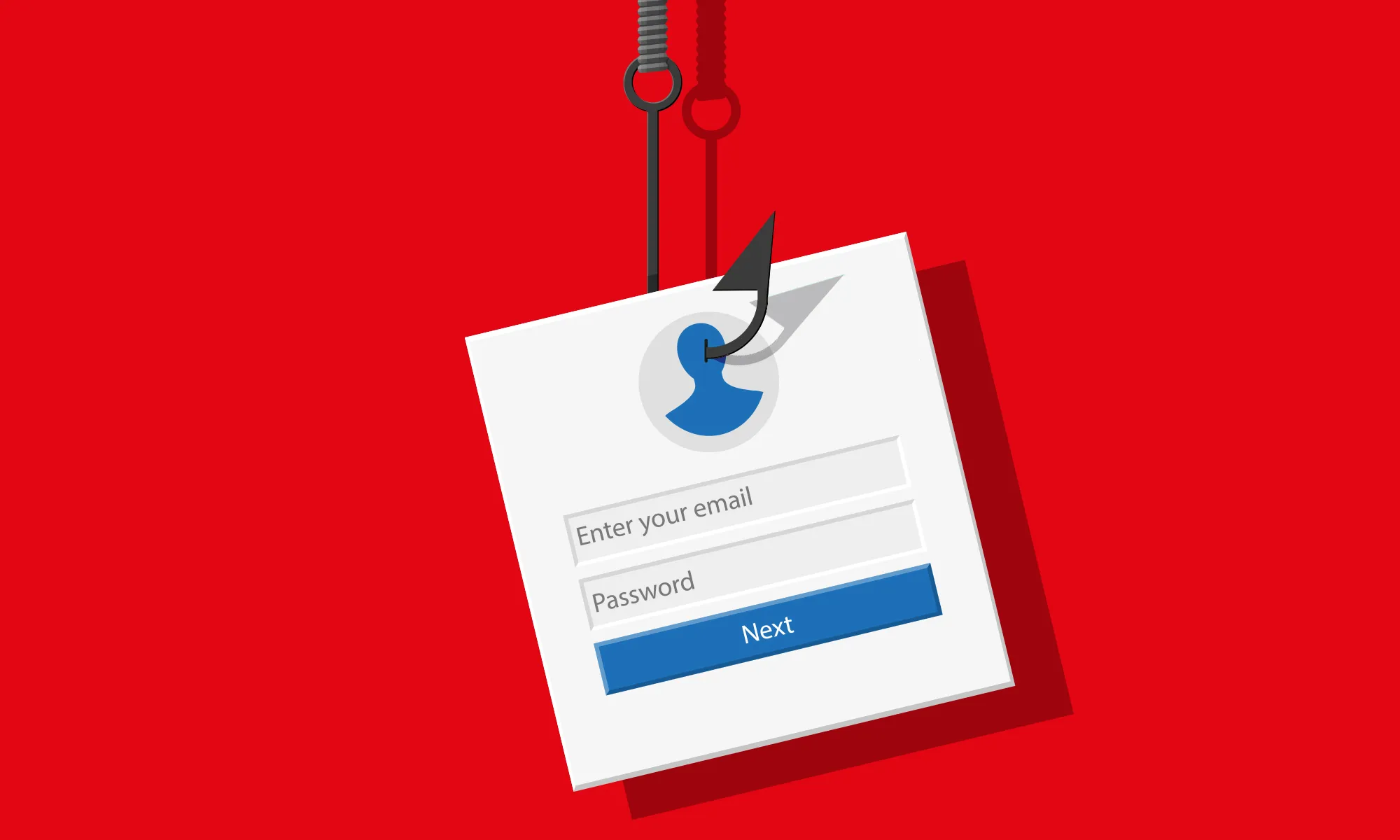
Phishing emails are fraudulent emails that are designed to trick recipients into giving away sensitive information, such as login credentials or credit card details. These emails often appear to be from legitimate sources, such as banks, online retailers, or in this case, Father’s Day promotions.
As adults, it’s crucial to be aware of these scams and know how to protect ourselves from falling victim to them. In this blog post, we’ll discuss what phishing emails are, how to identify them, and what steps you can take to protect yourself from them.
What are Phishing Emails?
Phishing emails are fraudulent emails that are sent by cybercriminals with the intention of stealing sensitive information from the recipients. These emails often appear to be from legitimate sources, such as banks, online retailers, or in this case, Father’s Day promotions.
The goal of these emails is to trick recipients into clicking on a link or opening an attachment that will lead them to a fake website or prompt them to enter their personal information. This information is then used by the cybercriminals for identity theft or financial fraud.
How to Identify Phishing Emails
Phishing emails can be difficult to identify, as they often appear to be from legitimate sources. However, there are some red flags that you can look out for to determine if an email is a phishing attempt:
- Sender’s email address: Check the sender’s email address carefully. Phishing emails often use email addresses that are similar to legitimate ones, but with slight variations or misspellings.
- Urgent or threatening language: Phishing emails often use urgent or threatening language to create a sense of urgency and prompt recipients to take immediate action.
- Generic greetings: Legitimate emails from companies or promotions will often address you by name. If an email starts with a generic greeting like “Dear Customer” or “Dear Sir/Madam”, it’s likely a phishing attempt.
- Requests for personal information: Be cautious of emails that ask you to provide personal information, such as login credentials or credit card details. Legitimate companies will never ask for this information via email.
- Unusual links or attachments: If an email contains links or attachments that you weren’t expecting, do not click on them. These could lead you to a fake website or download malware onto your device.
Implementing Robust Email Filters and Security Practices
Another crucial step in protecting against phishing emails is implementing robust email filters and enhancing overall security practices. Most email services provide options to filter out spam and potential phishing attempts, but these settings may need to be manually adjusted for optimal protection. Walk through the process of setting up these filters with family members, making sure they understand how to access and configure their email settings. Additionally, introduce them to comprehensive security solutions that include email scanning and threat detection. This could involve installing or updating antivirus software that offers email protection. Regularly updating software and practicing safe email habits can significantly reduce the risk of falling prey to phishing scams disguised as Father’s Day or other promotional offers.
Protecting Yourself from Phishing Emails
Now that you know how to identify phishing emails, here are some steps you can take to protect yourself from falling victim to them:
- Be cautious of emails from unknown senders: If you receive an email from an unknown sender, do not open any links or attachments. Delete the email immediately.
- Verify the sender’s email address: If you receive an email from a sender claiming to be a legitimate company, verify the email address by checking their official website or contacting them directly.
- Do not click on links or attachments: If you receive an email with links or attachments, do not click on them. Instead, go directly to the company’s official website to access the information.
- Use two-factor authentication: Enable two-factor authentication for your online accounts to add an extra layer of security.
- Keep your software up to date: Make sure to regularly update your operating system and antivirus software to protect against potential security threats.
Educating Elderly Family Members on Email Scams
As we prepare for Father’s Day, it’s also an opportune time to focus on educating our elderly family members about the risks of email scams, particularly those disguised as holiday promotions. Older adults might not be as familiar with the nuances of online threats as younger generations are. Start by discussing how scammers operate and the typical red flags associated with fraudulent emails. Explain the importance of scrutinizing email addresses and the dangers of clicking on hyperlinks or downloading attachments from unknown or suspicious sources. Encourage them to verify any promotions by directly contacting the company through official channels. By empowering them with knowledge and practical steps to identify scams, you help protect their personal information and ensure they can enjoy the digital world with greater confidence.
Conclusion
Phishing emails posing as Father’s Day promotions are a common scam that targets unsuspecting individuals during this time of the year. As adults, it’s important to be aware of these scams and know how to protect ourselves from falling victim to them.
Remember to always be cautious of emails from unknown senders, verify the sender’s email address, and never click on links or attachments from suspicious emails. By following these steps, you can ensure a safe and enjoyable Father’s Day for you and your loved ones.