

 Multiple Faces Detected


 February 20th, 2026
You see a TikTok influencer showcasing stunning gold jewelry from Slide Jewelry, “luxury quality at affordable prices.” Thousands of comments confirm others bought and love their pieces. You order a $200 bracelet.
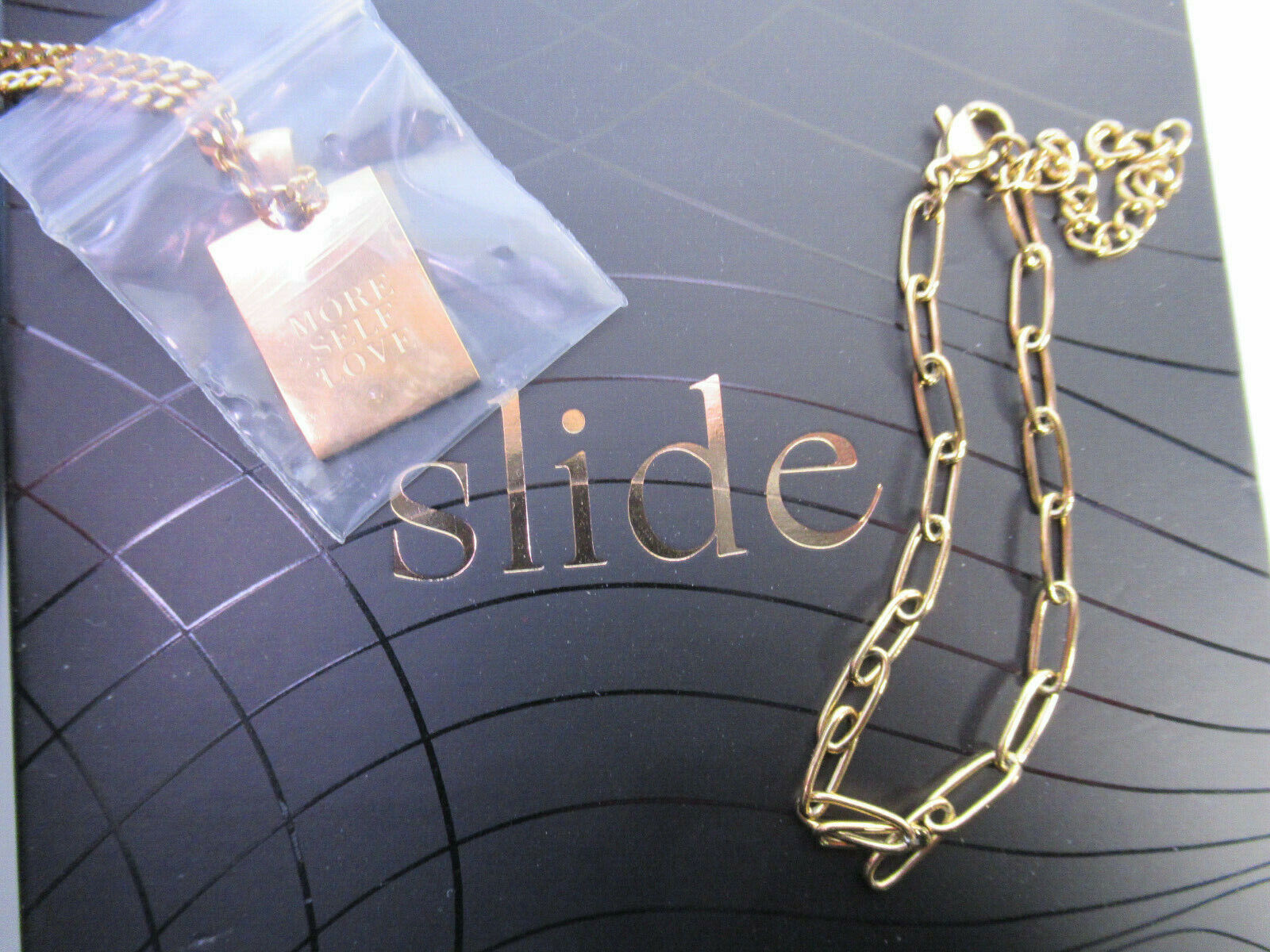
Three weeks later, a thin chain arrives that turns your skin green within hours. The “18k gold” is cheap plated metal. Your refund request goes unanswered.
Is Slide Jewelry legit, or is it a scam?
According to the Federal Trade Commission, online shopping fraud was the second most-reported scam category in 2024, with consumers reporting $432 million in losses, and jewelry scams represent a significant portion, as companies exploit social media to sell counterfeit items disguised as affordable luxury.
Social Catfish helps you verify suspicious online retailers before you purchase from companies using fake credentials, misleading product descriptions, or fraudulent business practices.
Is Slide Jewelry Legit or a Scam?

The Complicated Answer
Slide Jewelry appears to be a real registered business that does ship products, but that doesn’t make them legitimate in the sense most consumers expect. The company operates in a gray area where they’re not technically stealing money without sending anything, but they are allegedly:
Misrepresenting product quality: Advertising “18k gold” or “real diamonds” while shipping gold-plated brass or cubic zirconia
Using deceptive marketing: Paying influencers to promote products as “luxury quality” when they’re cheap costume jewelry
Providing minimal customer service: Making refunds and returns nearly impossible despite advertised policies
Hiding true business information: Limited transparency about actual company location, ownership, or manufacturing sources
What Makes It Questionable
The business model raises red flags:
Dropshipping operation: Slide Jewelry likely doesn’t manufacture or stock inventory. They purchase cheap jewelry from Chinese wholesalers (often AliExpress), mark up prices 500-1000%, and ship directly to customers while presenting themselves as a premium brand.
Influencer-driven marketing: Heavy reliance on paid TikTok and Instagram promotions rather than organic customer satisfaction and word-of-mouth referrals that legitimate quality brands build.
Vague product descriptions: Lack of specific information about gold content (10k? 14k? 18k? Plated thickness?), diamond quality (clarity, cut, carat weight, certification), or metal composition beyond marketing buzzwords.
No physical locations: Exclusively online presence with no showrooms, retail partnerships, or verifiable business address where customers can inspect products or seek in-person resolution.
Limited company information: Minimal transparency about ownership, manufacturing partners, or quality control processes that legitimate jewelry companies provide.
Common Slide Jewelry Complaints
Product Quality Issues
The most frequent complaints:
Gold plating wears off immediately: Customers report “gold” jewelry tarnishing, flaking, or turning skin green within hours or days—indicating thin plating over cheap base metals or no gold content at all.
“Diamonds” are clearly fake: Stones lack sparkle, scratch easily, and exhibit cloudy characteristics of cubic zirconia, glass, or acrylic, not genuine diamonds.
Cheap construction: Clasps break, chains snap, and settings lose stones quickly, quality issues inconsistent with advertised “luxury” standards.
Wrong items received: Orders don’t match what was advertised, different styles, sizes, or materials than product pages showed.
Items arrive damaged: Tarnished, scratched, or broken products suggesting poor quality control or storage conditions.
Misleading Advertising
Deceptive marketing tactics:
Stock photos vs. reality: Product photos show professional lighting and styling making cheap jewelry appear premium, while actual items look nothing like images.
Fake comparison pricing: “Originally $500, now $99!” pricing that creates false urgency when items were never worth original claimed values.
False material claims: Advertising “18k gold” or “conflict-free diamonds” when independent testing reveals plated brass and synthetic stones.
Influencer partnerships without disclosure: Paid promotions presented as genuine recommendations without clear sponsorship disclosure required by FTC guidelines.
Customer Service Problems
Support failures:
Unresponsive to complaints: Emails about quality issues, refunds, or returns go unanswered for weeks or receive generic automated responses.
Impossible return process: Return policies exist on paper but require customers to ship items internationally at their expense (often costing more than the jewelry), making returns impractical.
Refund denials: Claims that products meet description despite photographic evidence of misrepresentation, or blaming “customer expectations” rather than acknowledging false advertising.
No phone support: Only email contact available, with no way to speak with actual representatives about serious concerns.
Deleted negative reviews: Social media comments questioning quality are often deleted, creating false impression of universal satisfaction.
Red Flags of Slide Jewelry Scam
Marketing Red Flags
Warning signs in advertising:
Too-good-to-be-true prices: “Real diamond jewelry” for $50-200 when legitimate pieces cost thousands, genuine diamonds and solid gold have market-based minimum costs that can’t be drastically undercut.
Constant “sales” and urgency: Every day is a limited-time offer with countdown timers that reset daily, creating false scarcity.
Heavy influencer reliance: Legitimate jewelry brands build reputation through quality and customer satisfaction, not exclusively through paid social media promotions.
Vague quality specifications: No mention of gold karat weight, diamond certification (GIA, AGS), or specific material compositions, just marketing buzzwords like “premium” and “luxury.”
Stock model photos: Images that appear across multiple jewelry sellers suggest dropshipping from shared wholesaler rather than unique products.
Business Practice Red Flags
Concerning operational patterns:
No physical address verification: Use Social Catfish background check to verify if the business address exists and is legitimate. Many online jewelry scams use fake or mail forwarding addresses.
Recent domain registration: Website created recently rather than established brand with years of history and customer relationships.
Limited contact information: Only generic email addresses rather than multiple support channels including phone numbers and verified social media accounts.
Conflicting shipping information: Products ship from China despite company claiming U.S. or European operations, revealing dropshipping model.
No authentication certificates: Legitimate jewelry retailers provide certification for diamonds and precious metals. Absence indicates costume jewelry being misrepresented.
Customer Experience Red Flags
Warning signs from buyer experiences:
Overwhelmingly negative reviews on independent sites: While company website shows only positive reviews, independent platforms like Trustpilot, BBB, or Reddit reveal consistent complaints.
Similar complaint patterns: Multiple customers reporting identical issues (tarnishing, wrong items, refund problems) suggests systematic problems rather than isolated incidents.
Defensive or absent company responses: Legitimate businesses address concerns professionally. Scam operations ignore complaints, delete negative feedback, or respond defensively.
Long shipping times: 3-6 week shipping from international locations despite advertising suggesting domestic operations.
How to Get a Refund from Slide Jewelry
Document Everything First
Evidence collection:
Save all communications: Screenshot order confirmations, product descriptions, advertised materials claims, and all email exchanges with customer service.
Photograph products thoroughly: Document items as received, tarnishing, poor quality, differences from advertised images, and packaging showing the origin country.
Keep packaging: Retain all boxes, shipping labels, and documentation showing where items actually shipped from.
Record videos: Unboxing videos proving what you received and how quickly quality issues appeared.
Contact Slide Jewelry
Official channels:
Email customer service: Use contact information from their website to formally request refund, clearly stating reasons (misrepresented materials, false advertising, quality issues).
Reference return policy: Quote their own stated policy requiring them to accept returns for products not as described.
Set reasonable deadline: Give them 7-10 business days to respond before escalating to payment provider or consumer protection agencies.
Be professional but firm: State facts, provide evidence, and clearly request full refund without being emotional or threatening.
Dispute with Your Payment Provider
If Slide Jewelry doesn’t respond or denies refund:
Credit card chargeback: Contact your credit card company immediately, provide evidence that products were significantly different from description, and file dispute for “goods not as described.”
PayPal dispute: If you paid through PayPal, file dispute within 180 days with uploaded evidence of misrepresentation.
Bank dispute: For debit card purchases, contact your bank’s fraud department and request chargeback based on false advertising.
Evidence to provide:
- Screenshots of product descriptions claiming specific materials
- Photos of what you actually received
- Independent verification of materials (if you had jewelry tested)
- Attempts to resolve with company showing their non-responsiveness
Report to Authorities
Consumer protection reporting:
FTC: File complaint at ReportFraud.ftc.gov documenting false advertising and deceptive business practices
Better Business Bureau: Submit review at bbb.org detailing your experience to warn other consumers
State Attorney General: Report to your state’s consumer protection office for local enforcement action
Social media: Post honest reviews on platforms where Slide Jewelry advertises to warn other potential buyers
How to Avoid Jewelry Scams Like Slide Jewelry
Verify the Seller Before Buying
Due diligence steps:
Use Social Catfish verification: Run Social Catfish background check on the company name and business address to verify legitimacy and check for associated scam reports.
Reverse image search: Use Social Catfish reverse image search to upload product photos and check if they appear on multiple websites or wholesale platforms like AliExpress, indicating a dropshipping operation.
Check independent reviews: Read reviews on Trustpilot, BBB, Reddit, and Google rather than only reviews on the company’s own website where negative feedback is often filtered.
Verify business registration: Search company name in state business registries to confirm legitimate registration and check how long they’ve operated.
Look for physical locations: Legitimate jewelry businesses often have showrooms or retail partners where you can inspect products in person.
Research Product Claims
Quality verification:
Understand jewelry pricing: Genuine diamonds and solid gold have market-based minimum costs. “18k gold diamond necklace for $99” isn’t a deal, it’s impossible.
Request certifications: Legitimate sellers provide GIA or AGS certificates for diamonds and documentation for precious metal content.
Check return policies carefully: Note who pays return shipping, time limits, and whether full refunds are actually honored based on customer reviews.
Compare to known retailers: Check prices for similar genuine items at established jewelers like Blue Nile, James Allen, or local jewelry stores to calibrate realistic pricing expectations.
Watch for Marketing Red Flags
Advertising warning signs:
Influencer-only marketing: Brands built entirely on paid promotions rather than organic customer satisfaction often prioritize marketing over product quality.
Constant urgency tactics: Daily “sales” with countdown timers and claims of limited stock create false pressure to bypass rational evaluation.
Vague specifications: Legitimate jewelry retailers provide exact gold content (14k, 18k), diamond characteristics (carat, clarity, color, cut), and material composition details.
Stock photos only: No user-generated content or customer photos wearing products suggests minimal real customer base or satisfaction.
Frequently Asked Questions
Slide Jewelry appears to be a registered business that ships products, but hundreds of customer complaints allege false advertising, poor quality, and misrepresented materials. The company operates in a questionable gray area, not outright theft, but deceptive marketing of cheap jewelry as luxury items. Use Social Catfish to verify business legitimacy before purchasing.
Possibly, but many customers report difficulty. Try contacting customer service first with evidence of misrepresentation. If they don’t respond or deny a refund, dispute the charge with your credit card company or PayPal, citing “goods not as described.” Document everything photos, product descriptions, and communication attempts, to support your chargeback claim.
Real gold doesn’t tarnish, turn skin green, or wear off. Professional testing includes acid tests, electronic testers, or X-ray fluorescence that verify gold content. If “gold” jewelry discolors within days or rubs off, revealing a different metal underneath, it’s plated or fake. Legitimate sellers provide karat stamps (10k, 14k, 18k) and documentation of precious metal content.
Not automatically. Many TikTok jewelry brands are dropshipping operations buying cheap items from Chinese wholesalers and reselling at huge markups through influencer marketing. Verify any brand through Social Catfish background checks, independent reviews, and reverse image searches before trusting viral promotions. Influencers are paid to promote products regardless of actual quality.
Document everything immediately, photograph items as received, save all communications, and keep packaging. Contact customer service for a refund if the products don’t match the description. If unsuccessful, dispute with your credit card company within 60-120 days. Report to FTC at ReportFraud.ftc.gov and post honest reviews warning others about your experience.
Conclusion
Is Slide Jewelry legit? They’re a real business that ships products, but hundreds of complaints allege they misrepresent cheap costume jewelry as luxury pieces through deceptive marketing. Tarnishing “gold,” fake “diamonds,” and impossible returns suggest systematic fraud.
Social Catfish provides verification tools to protect your background checks to verify businesses, reverse image search to detect dropshipping operations, and email verification before you waste money on worthless products.
Verify sellers through Social Catfish before purchasing, understand that genuine diamonds and gold have minimum prices that can’t be drastically undercut, and remember: $99 “diamond necklaces” aren’t deals, they’re impossible.
If you bought from Slide Jewelry and received misrepresented products, document everything, request refunds, dispute with your payment provider, and report to the FTC at ReportFraud.ftc.gov. Trust verification over viral marketing.











